
Politics – Pashinyan Seeks Fresh Mandate Amid Shifting Armenian Landscape
Politics – Armenian Prime Minister Nikol Pashinyan is heading into a crucial election contest as he seeks another term in office, carrying with him a political legacy shaped by reform promises, regional conflicts, and changing international alliances.
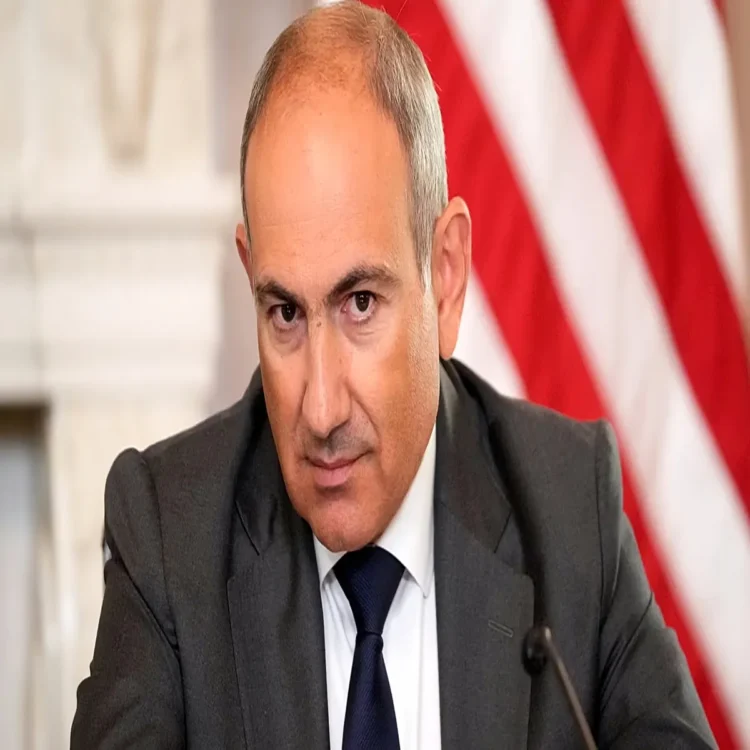
From Protest Leader to National Figure
Pashinyan, 51, first emerged as a powerful political force during Armenia’s peaceful 2018 mass protest movement, which brought an end to years of entrenched political rule. A former journalist, he built his reputation as an unconventional politician who connected directly with ordinary citizens. His campaign style, marked by public engagement and grassroots activism, helped him gain widespread support across the country.
Throughout his political career, Pashinyan has carefully maintained an image of accessibility. Supporters continue to view him as the reform-minded leader who challenged Armenia’s old political establishment by traveling across the country and engaging with communities face-to-face.
Legacy Shaped by Conflict
Public opinion surrounding Pashinyan has become increasingly divided since the outbreak of war between Armenia and Azerbaijan in 2020 over the disputed Karabakh region. During the conflict, his public messaging shifted dramatically as he adopted a more forceful wartime leadership role, regularly addressing citizens and urging national unity.
The aftermath of the conflict proved challenging for Armenia. Military setbacks, the loss of control over Karabakh, and the arrival of around 100,000 ethnic Armenian refugees created significant political pressure. In response, Pashinyan has increasingly positioned himself as a leader focused on achieving lasting regional stability and preventing future conflict.
Foreign Policy Realignment
The regional crisis also accelerated changes in Armenia’s foreign policy direction. Traditionally dependent on Moscow for political and security support, Armenia has gradually sought stronger ties with Western partners.
Under Pashinyan’s leadership, relations with the European Union and the United States have expanded, while ties with Russia have become more strained. This diplomatic balancing act has attracted both praise and criticism, reflecting Armenia’s efforts to redefine its place in a rapidly changing geopolitical environment.
Current opinion surveys indicate that Pashinyan’s Civil Contract party remains in a favorable position ahead of the vote, suggesting that he could secure another electoral victory.
Critics Raise Democratic Concerns
Despite his reformist image, Pashinyan’s years in power have generated criticism from political opponents, activists, and some analysts. Before becoming prime minister, he was known for opposing Armenia’s previous leadership and spent time in hiding following unrest linked to the 2008 presidential election. After surrendering to authorities in 2009, he served a prison sentence before returning to politics and winning a parliamentary seat.
Today, detractors argue that his administration has at times relied on state institutions to pressure political rivals. Concerns have also been raised regarding relations between the government and influential national institutions, including the Armenian Apostolic Church.
Several political observers claim Armenia’s democratic progress has slowed in recent years, while supporters of the government reject those allegations and point to electoral reforms and governance changes introduced since 2018.
Social Media and Public Engagement
One of Pashinyan’s most distinctive political tools remains his direct communication with the public. During the campaign, he has traveled extensively across Armenia, frequently sharing live broadcasts and behind-the-scenes moments through social media platforms.
His online presence, often featuring informal conversations, everyday activities, and interactions with supporters, has helped him maintain visibility beyond traditional political channels. Recently, he celebrated reaching a major milestone in online viewership, highlighting the role digital engagement plays in his political strategy.
A Different Campaign Image
In contrast to earlier campaigns that emphasized confrontation and political struggle, Pashinyan has adopted a softer public image this election cycle. Symbols promoting unity and personal connection have replaced the more combative messaging of previous years.
Adding to his unconventional profile, he recently formed a music group in which he performs as a drummer, appearing at events both in the capital, Yerevan, and in other parts of the country. His appearance alongside French President Emmanuel Macron during a public cultural event earlier this year further reflected Armenia’s growing engagement with European partners.
Born in the northern town of Ijevan, Pashinyan studied journalism in the years following the collapse of the Soviet Union. As Armenians prepare to vote, his political future will once again be tested by an electorate weighing promises of stability, reform, and national security.