
Politics – Nepal Prime Minister Signals Stronger Partnership With India Ahead
Politics – Nepal’s newly appointed Prime Minister, Balendra Shah, has expressed his intention to deepen cooperation with India, thanking Prime Minister Narendra Modi for his message of congratulations following the swearing-in ceremony.
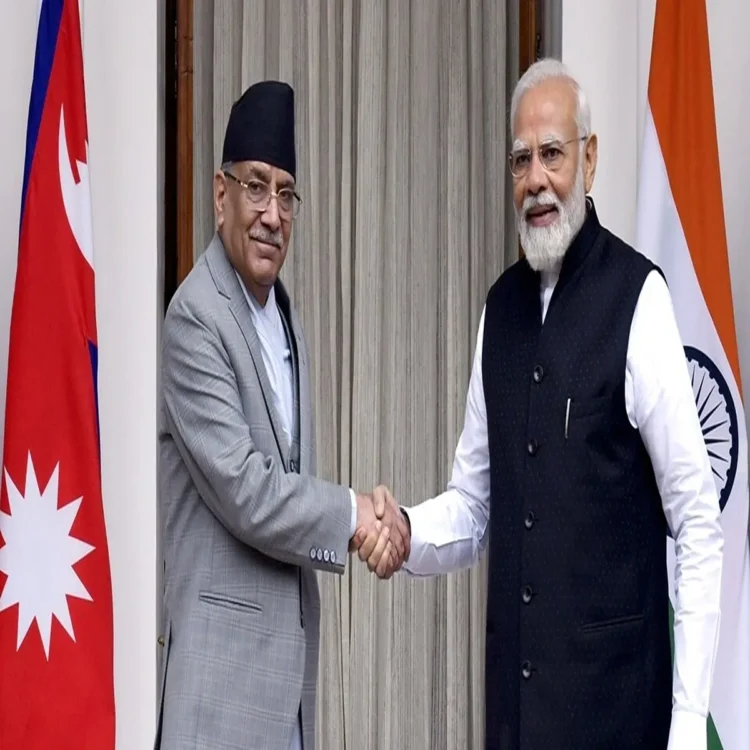
Shah assumed office on Friday and soon after received a message from Modi, who extended his best wishes and conveyed optimism about strengthening ties between the two neighboring countries. In response, Nepal’s Prime Minister’s Office shared a message on social media acknowledging the gesture and underlining Shah’s willingness to collaborate closely with India for mutual development.
Diplomatic Exchange Highlights Shared Priorities
In his reply, Shah emphasized the importance of maintaining strong bilateral relations and working together on areas that benefit both nations. He noted that cooperation between Nepal and India has long been rooted in shared history, culture, and economic interdependence.
The exchange of messages reflects continuity in diplomatic engagement, with both leaders signaling a commitment to building on existing partnerships. Officials in Kathmandu view this as an encouraging sign for regional stability and coordinated development efforts.
Strategic and Economic Importance of India–Nepal Relations
India remains a key partner for Nepal, particularly in terms of trade and transit. As a landlocked country, Nepal depends significantly on Indian routes for access to international markets. A large portion of its imports and exports pass through Indian territory, making connectivity and cooperation essential.
Beyond trade, India also plays a role in Nepal’s energy, infrastructure, and development sectors. Cross-border projects and agreements have contributed to economic growth and improved access to resources. Analysts suggest that maintaining stable relations with India is crucial for Nepal’s long-term economic planning.
Political Transition After Months of Unrest
Shah’s appointment comes after a period of political uncertainty in Nepal. The previous coalition government led by former Prime Minister K P Sharma Oli was removed from power in September last year. The change followed widespread protests, largely driven by younger citizens, who raised concerns over corruption, nepotism, and restrictions on social media platforms.
These demonstrations, which gained momentum over time, eventually escalated into unrest, prompting significant political shifts. Shah is now the first democratically elected Prime Minister to take office following that transition, marking a new phase in Nepal’s governance.
Expectations From the New Leadership
With Shah at the helm, there is growing anticipation regarding policy direction and governance reforms. Observers believe that his administration will focus on restoring public trust, addressing economic challenges, and strengthening international partnerships.
His early outreach to India suggests that foreign policy will remain a priority, particularly in maintaining balanced and constructive relations with neighboring countries. The emphasis on cooperation for “common prosperity” indicates a pragmatic approach aimed at achieving tangible outcomes for citizens.
Looking Ahead
As Nepal navigates its post-transition phase, the government’s ability to manage both domestic expectations and international relationships will be closely watched. The renewed engagement with India may set the tone for broader regional collaboration.
Shah’s message highlights a forward-looking stance, with a focus on stability, growth, and partnership. How these priorities translate into policy actions will likely shape Nepal’s trajectory in the coming years.