
OilMarket – Trump Signals Economic Optimism After Iran-Israel Ceasefire Progress
OilMarket – Donald Trump, Iran Israel Conflict, Strait of Hormuz, Global Oil Market, Brent Crude, US Oil Policy, Iran Oil Exports, Maritime Trade, Middle East Security, Energy Prices, Abbas Araghchi, Mohammad Bagher Ghalibaf, Gulf Shipping, International Trade, Crude Oil, Oman Diplomacy, Global Economy, Oil Supply, Regional Stability, US Iran Relations, Following the easing of tensions between Iran and Israel, attention has shifted toward the future of regional stability, energy markets, and the reopening of one of the world’s most critical shipping routes.
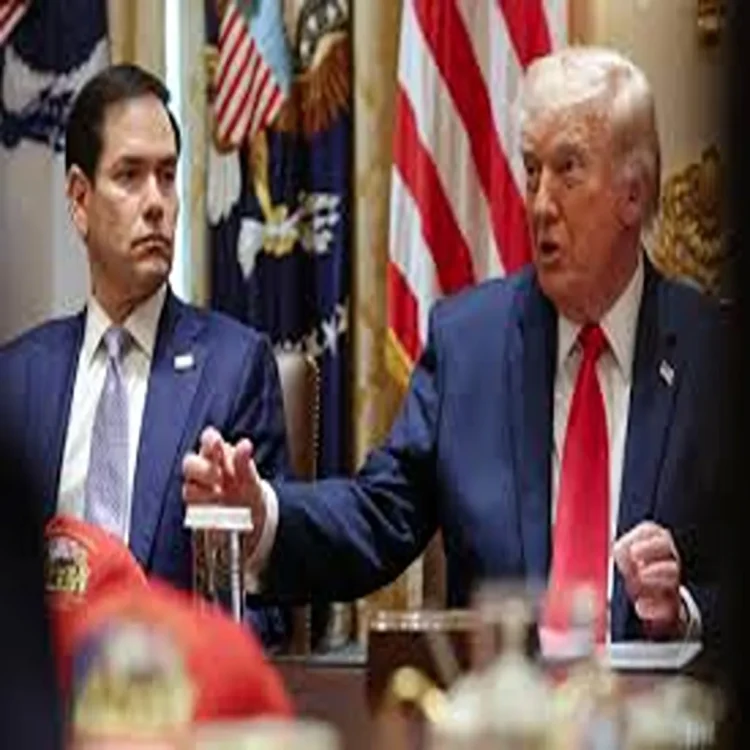
The United States has expressed confidence that improved relations and continued diplomatic engagement could help restore normal economic activity in the Gulf region after weeks of disruption caused by the conflict. Speaking to journalists at the White House on Monday, US President Donald Trump said maintaining peace would depend largely on how Tehran conducts its future relations with Washington.
Trump Stresses Importance of Mutual Respect
Trump indicated that a stable relationship could prevent further confrontations, emphasizing that respect between nations is essential for long-term peace. He noted that the United States is seeking cooperation rather than intimidation and suggested that constructive engagement would reduce the likelihood of future disputes.
His remarks came shortly after a temporary understanding between the parties helped reduce hostilities that had escalated across the region in recent weeks.
Strait of Hormuz Remains a Key Concern
One of the major consequences of the conflict was the disruption of activity in the Strait of Hormuz, a strategic maritime corridor through which a significant share of the world’s oil supplies passes. The route experienced severe restrictions after military operations involving the United States and Israel earlier this year.
Although a ceasefire framework has led to the gradual return of shipping traffic, navigation remains complicated. Reports indicate that parts of the central channel continue to face security challenges, forcing vessels to seek alternative routes through nearby waters.
Iran Signals Commitment to International Navigation Rules
Iranian parliamentary speaker Mohammad Bagher Ghalibaf stated that Tehran intends to oversee activity in the strait while adhering to internationally recognized maritime regulations. He expressed hope that full operational capacity could soon be restored, benefiting both regional economies and global trade networks.
Ghalibaf made the comments while returning from diplomatic discussions in Europe. He later traveled to Oman alongside Foreign Minister Abbas Araghchi, where meetings focused on peace initiatives and measures aimed at ensuring safe maritime transportation through the strategic waterway.
Temporary Sanctions Relief Introduced
In a move viewed as part of broader efforts to support de-escalation, the US Treasury announced a temporary 60-day authorization easing restrictions on Iranian oil exports. The measure also creates an opportunity for Iranian crude to enter the American market, marking a significant policy shift compared with previous decades when such imports were largely absent.
Analysts believe the decision could contribute to improving oil supply conditions if regional stability continues to strengthen.
Shipping Activity Begins to Recover
Commercial vessel traffic has started to increase since the ceasefire announcement. Industry monitoring data showed dozens of successful tanker crossings during the weekend, reflecting growing confidence among shipping operators.
However, overall movement remains below normal levels. Prior to the conflict, daily traffic through the Strait of Hormuz typically ranged between 100 and 130 vessels. Shipping companies continue to exercise caution while navigation routes are gradually restored.
Oil Prices Retreat as Markets Respond
Financial markets reacted positively to signs of easing tensions. International benchmark Brent crude recorded a notable decline, moving closer to levels seen before the outbreak of hostilities. US crude oil futures also posted losses as investors assessed the possibility of improved supply flows and reduced geopolitical risk.
Market observers say further price movements will largely depend on the pace of shipping recovery and the durability of diplomatic efforts in the region.