
NuclearPolicy – US Faces Dual Nuclear Challenge from China and Russia
NuclearPolicy – The United States is entering a new phase of strategic uncertainty as it confronts evolving nuclear threats from major global powers.
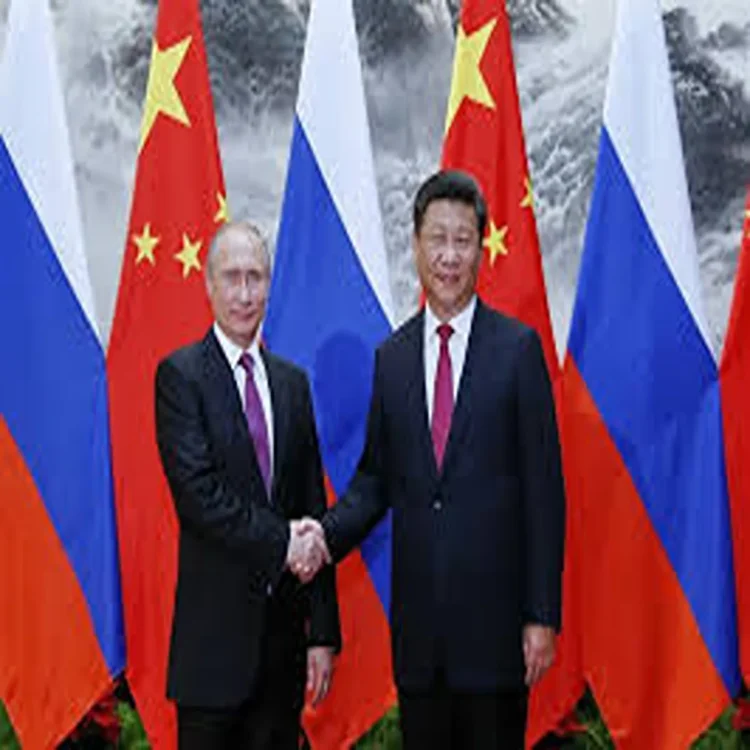
The United States is now dealing with an increasingly complex nuclear landscape, as officials warn that both China and Russia pose significant strategic challenges at the same time. Speaking before lawmakers, a senior State Department official highlighted that Washington is navigating a rare and difficult moment, facing two powerful nuclear rivals simultaneously while also monitoring risks from smaller nuclear-armed nations.
Changing Nature of Nuclear Threats
According to the testimony, the current global environment marks a departure from past decades, when the United States primarily focused on a single major nuclear competitor. Today, both Beijing and Moscow are advancing their capabilities, creating a more unpredictable and competitive security setting.
Officials noted that this shift is not only about the number of adversaries but also about the speed of technological advancements. Emerging technologies, including advanced delivery systems and modernized arsenals, are reshaping how nuclear deterrence is understood and managed.
Limitations of Traditional Arms Control
During the hearing, it was emphasized that older arms control agreements are no longer adequate to address present-day realities. Existing frameworks were designed for a different era and have struggled to keep pace with evolving threats and changing geopolitical dynamics.
The official pointed out that past agreements often failed to account for newer categories of weapons and strategic systems. As a result, these treaties no longer provide comprehensive oversight or balance among competing powers.
Debate Over Previous Agreements
Particular attention was given to earlier treaties that governed nuclear arsenals between the United States and Russia. Critics within the administration argue that such agreements placed constraints on Washington while allowing room for expansion in other areas by rival nations.
This criticism has fueled the push for a fresh approach to arms control, one that reflects current military capabilities and strategic competition more accurately.
Push for New Frameworks
The administration is now advocating for updated agreements that are both enforceable and adaptable. Officials stressed that any future treaty must consider technological innovation, evolving military strategies, and the broader global security environment.
The goal, they explained, is to create mechanisms that are flexible enough to remain relevant over time while still ensuring accountability among participating nations.
Reorganisation of Security Functions
As part of this broader strategy, the State Department has restructured its internal framework to improve coordination. A newly integrated system brings together responsibilities such as arms control, nonproliferation, counterterrorism, and political-military affairs under a unified structure.
This reorganisation is intended to strengthen oversight and streamline efforts across various domains, including export controls, sanctions enforcement, and treaty compliance. Officials believe that better coordination will enhance the country’s ability to respond to emerging threats more effectively.
Expanding Scope of Responsibilities
The department’s responsibilities now cover a wide range of security issues, from preventing the spread of weapons of mass destruction to managing international defense partnerships. Officials highlighted the importance of collaboration with allies, noting that information sharing is essential in addressing modern security challenges.
Diplomatic engagement remains a central pillar of this approach, with an emphasis on maintaining strong alliances while navigating an increasingly competitive global environment.
Growing Concerns Over Arms Race
The discussion comes at a time when global arms control systems are under mounting pressure. The expiration of key agreements has removed important limits on nuclear arsenals, raising fears of a renewed arms race among major powers.
At the same time, China’s expanding nuclear programme—developed outside existing arms reduction frameworks—has added another layer of complexity. This development makes it more difficult to establish broad, multilateral agreements that include all major players.
Toward an Uncertain Nuclear Order
Experts warn that the world may be moving toward a more fragmented and less predictable nuclear order. With multiple nations expanding their capabilities and existing agreements losing relevance, the challenge of maintaining strategic stability is becoming increasingly difficult.
As policymakers consider next steps, the focus remains on crafting agreements that reflect today’s realities while reducing the risk of escalation in an already tense global environment.