
NuclearDeal – Proposed US-Iran Agreement Centers on Verification and Sanctions Relief
NuclearDeal – The proposed understanding between the United States and Iran focuses on preventing the development of nuclear weapons through long-term commitments, inspections, and phased economic incentives.-
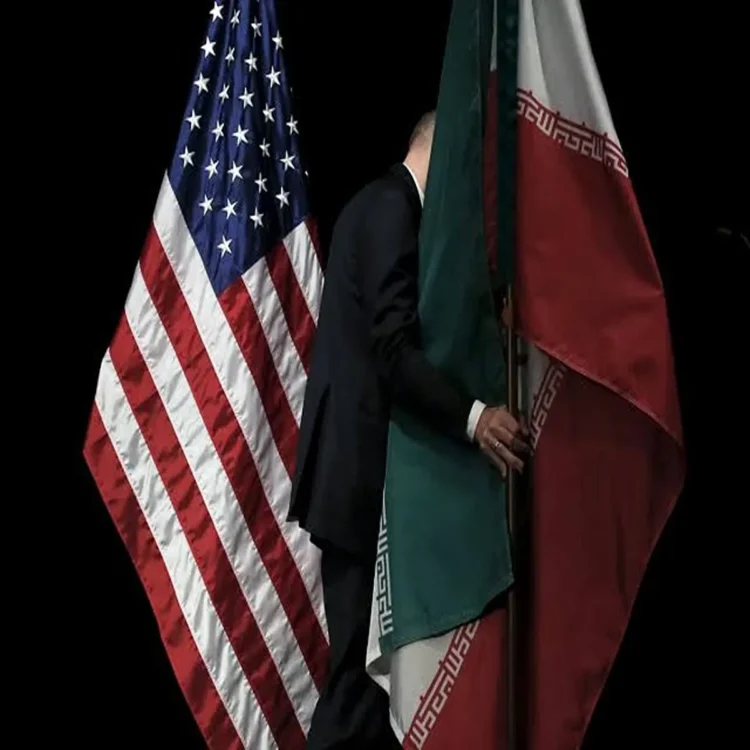
A senior official from the administration of US President Donald Trump stated on Friday that Iran has agreed in principle to permanently refrain from developing or acquiring nuclear weapons under a proposed agreement currently being negotiated. According to the official, any easing of sanctions would be linked directly to verified compliance and strict monitoring measures designed to ensure that Tehran follows through on its obligations.
Regional Support for the Negotiations
The official indicated that discussions surrounding the proposed arrangement have received positive responses from key partners across the Middle East. These include Israel as well as several Gulf nations, which have closely followed developments related to Iran’s nuclear activities for years.
While expressing confidence that regional allies would support the framework, the official acknowledged that countries in the region would continue to retain their right to act in self-defense if Iran were to violate the terms of the agreement in the future.
Internal Backing Within Iran
According to the administration representative, there appears to be substantial support for the proposed deal among various political and military groups inside Iran. The official said the level of agreement extends across different factions, including conservative elements, members of the Islamic Revolutionary Guard Corps, and civilian leaders.
Although some opposition may exist, the official described any disagreement within Iran’s governing structure as limited and not significant enough to threaten the progress of negotiations.
Benefits Linked to Verified Actions
The official emphasized that the agreement has been carefully structured so that Iran would receive economic benefits only after demonstrating compliance with specific commitments. This approach is intended to ensure that both sides receive tangible outcomes from the negotiated settlement.
Officials involved in the talks believe that tying incentives to verified actions will help build confidence and reduce concerns about potential violations. The arrangement is designed to move forward gradually, with each stage dependent on confirmed implementation.
Nuclear Material and Facility Commitments
Regarding the technical aspects of the proposed agreement, the official said Iran has committed to eliminating stocks of enriched nuclear material and shutting down facilities associated with activities that could support weapons development. However, several technical details are still being negotiated and finalized.
The administration views these measures as a critical step toward ensuring that Iran does not gain the capability to produce a nuclear weapon. Officials consider the removal of sensitive materials and infrastructure to be central components of the broader framework.
Verification Measures Remain Central
A major element of the proposal involves a comprehensive inspection and verification system. The official stressed that commitments alone would not be sufficient and that independent monitoring would be required before sanctions relief could take effect.
Under the proposed arrangement, Iran would be expected to demonstrate concrete actions toward dismantling parts of its nuclear program before receiving any of the economic advantages promised under the agreement. The official described verification as essential to maintaining confidence in the process.
Technical Talks Expected Over Sixty Days
The administration representative also revealed that the memorandum of understanding associated with the negotiations includes a planned 60-day period dedicated to technical discussions. During this phase, experts from both sides would work through operational details and implementation procedures.
Officials believe that successful completion of this stage could pave the way for broader cooperation, provided that Iran fulfills its commitments and inspection requirements.
Civilian Nuclear Energy Not the Main Concern
The official clarified that Washington’s objective is not to prevent Iran from operating a civilian nuclear energy program. Instead, the focus remains on eliminating infrastructure that could allow a transition from peaceful nuclear activities to weapons development.
Pointing to examples in the Gulf region, the official noted that civilian nuclear power generation can exist without facilities capable of supporting a weapons program. The administration’s concern, therefore, is centered on capabilities that could potentially be used for military purposes.
Economic Incentives Tied to Long-Term Compliance
The official concluded by saying that meaningful sanctions relief could eventually help integrate Iran more fully into the global economy. However, such benefits would depend entirely on sustained compliance with the agreement and continued adherence to commitments related to nuclear activities and regional stability.