
Maritime – US Intercepts Iranian Vessel After Arabian Sea Standoff
Maritime –The United States has taken control of an إيران-flagged cargo ship following a tense maritime standoff in the Arabian Sea, a move that has drawn sharp criticism from Tehran and raised fresh concerns over regional stability.
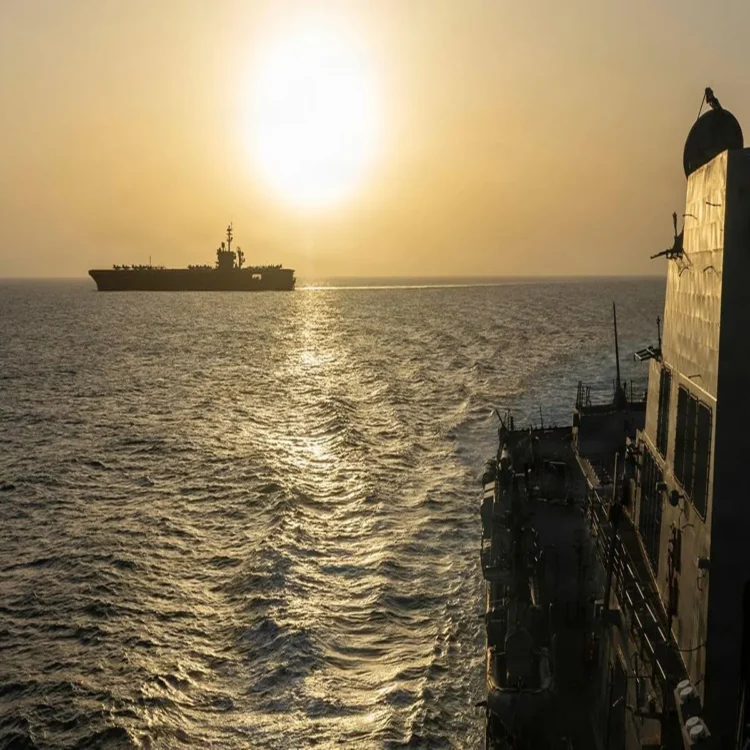
Naval Standoff Leads to Seizure
According to US military officials, the incident unfolded after the cargo vessel, identified as M/V Touska, allegedly attempted to bypass a naval restriction placed on Iranian-linked shipping routes. The US Central Command stated that its forces monitored the vessel closely and issued repeated warnings over a period of nearly six hours.
Despite multiple radio communications and alerts, the ship reportedly continued its course. American naval authorities then escalated their response. A guided-missile destroyer targeted the vessel’s engine section, effectively halting its movement without causing widespread structural damage.
Boarding Operation Conducted
Following the disabling of the ship, US Marines boarded the vessel and assumed control. Reports indicate that the operation was carried out after ensuring that crew members had evacuated sensitive areas of the ship. Officials said the action was taken to enforce compliance with maritime restrictions recently imposed on Iranian shipping activities.
The seized vessel is now under US custody, and a detailed inspection is underway. Authorities are examining thousands of cargo containers on board to determine whether the shipment violates existing sanctions or is linked to restricted supply networks.
Iran Condemns Action
Iran reacted strongly to the incident, describing the US move as unlawful and aggressive. In an official statement, Iranian military leadership accused Washington of engaging in what it termed “armed piracy.” The statement also included a warning that Iran’s armed forces would respond at a time and manner of their choosing.
Iranian officials emphasized that their forces did not intervene during the boarding process in order to protect the safety of the ship’s crew. They noted that any escalation at sea could have placed lives at risk, and restraint was exercised to prevent further danger.
Rising Tensions Ahead of Ceasefire Deadline
The timing of the incident is particularly significant, as it comes just days before the expiration of a temporary ceasefire between the United States and Iran. The agreement, which has held for two weeks, was intended to reduce hostilities and create space for diplomatic engagement. However, no clear indication has emerged regarding its extension.
Analysts suggest that this latest development could complicate ongoing efforts to maintain stability in the region. The use of force, even in a limited capacity, marks a notable escalation in what had been a relatively controlled phase of tensions.
Strategic Importance of the Region
The Arabian Sea and the nearby Strait of Hormuz remain critical to global trade, particularly for energy supplies. A significant portion of the world’s oil shipments passes through this corridor, making any disruption a matter of international concern.
Past incidents in the region have led to fluctuations in oil prices and heightened geopolitical uncertainty. Experts warn that continued confrontations could have broader economic and security implications, extending beyond the immediate parties involved.
Investigation Underway
US officials confirmed that the seized vessel had been under surveillance due to suspected links with sanctioned networks. The ongoing inspection aims to clarify the nature of the cargo and determine whether further action is warranted under international and domestic regulations.
As both sides exchange strong statements, the situation remains fluid. Observers are closely watching for any signs of retaliation or diplomatic engagement that could either escalate or ease tensions in the coming days.