
LawEnforcement – Prosecutor Declines Charges After Immigration Raid Protest Clash
LawEnforcement – A Vermont prosecutor has decided not to pursue charges against six individuals arrested during a tense immigration enforcement operation last month, drawing sharp criticism from state law enforcement officials. The decision follows a detailed review of the events that unfolded during a federal raid in South Burlington, which later emerged to have been initiated due to mistaken identity.
Decision Based on Harm and Accountability
Chittenden County State’s Attorney Sarah George said her office examined the situation carefully, focusing on where harm occurred and who contributed to it. In her view, prosecution should serve a broader purpose, including repairing harm rather than simply assigning blame. She concluded that holding the six individuals solely responsible for the day’s events would not be appropriate, particularly given their lack of prior criminal records.
George acknowledged that some protesters may have crossed the line from peaceful demonstration into behavior that could be considered unlawful. At the same time, she pointed out that certain actions by law enforcement officers may have intensified tensions, even if those actions were legally justified.
Background of the March Raid
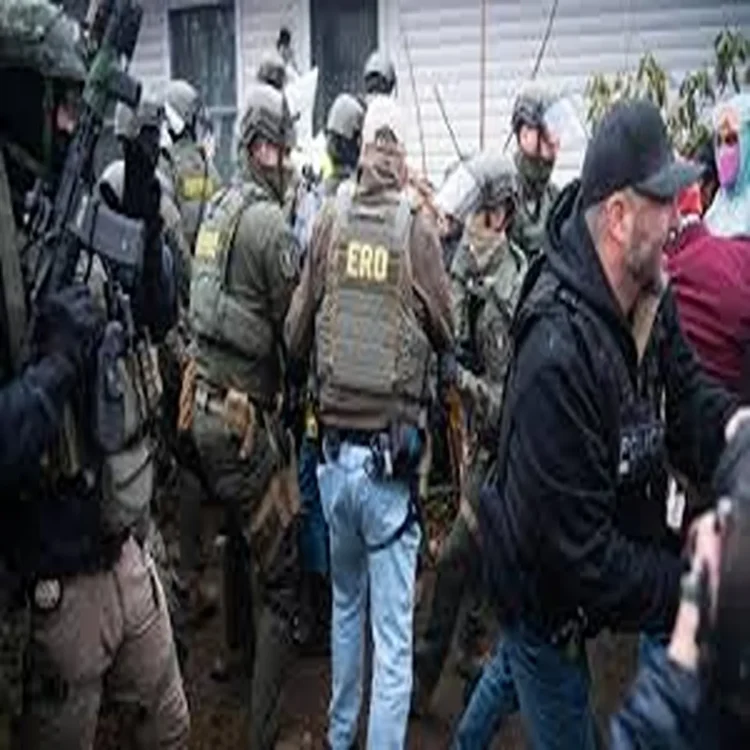
The arrests took place during a daylong federal immigration raid on March 11 at a residence on Dorset Street. Three individuals inside the home were detained by federal authorities but were later released by judges. Subsequent findings indicated that the operation was triggered by an error in identifying the intended target.
As the situation unfolded, tensions escalated between officers and demonstrators gathered at the scene. By the end of the day, six protesters had been taken into custody by state and local police on charges including disorderly conduct and assault on an officer.
Law Enforcement Criticizes Move
State officials expressed strong disagreement with the prosecutor’s decision. Public Safety Commissioner Jennifer Morrison and Vermont State Police Director Col. Matthew T. Birmingham issued a joint statement criticizing the outcome as troubling. They argued that the decision could send the wrong message, suggesting that individuals might act without fear of legal consequences during similar incidents in the future.
According to the officials, failing to bring charges risks encouraging behavior that could endanger both the public and law enforcement personnel. They also rejected any suggestion that police shared equal responsibility for the conflict.
Debate Over Protest and Policing
George pushed back against a narrative that categorizes protesters as instigators while portraying law enforcement solely as protectors. She referenced historical civil rights figures who were once labeled as agitators despite their role in advancing social justice. Her remarks underscored the importance of evaluating protests within a broader societal context.
Meanwhile, the Burlington Police Department acknowledged that the incident had caused distress within the community. However, it emphasized that physical confrontations with officers fall outside the protections of free speech.
Alternative Justice Approach
Instead of pursuing formal charges, George referred three of the cases handled by Burlington police to a local community justice center. The program focuses on restorative justice practices, aiming to resolve conflicts outside the traditional court system. However, local police indicated they would not participate in this process, which is not unusual in such referrals.
Calls for Independent Review
The prosecutor also called for an independent assessment of how law enforcement handled the situation. Advocacy groups have alleged that officers may have violated state policing standards during the raid, including claims of excessive force. Police departments involved have denied these allegations and maintain that their actions were appropriate.
George argued that internal investigations conducted by the same agencies involved may not provide sufficient impartiality. State officials, however, rejected this viewpoint, stating that questioning the integrity of police investigations could undermine the justice system as a whole.
Broader Context and Political Implications
This is not the first time George has declined to press charges in protest-related cases. Earlier in the year, she made a similar decision involving a group of elderly demonstrators cited for trespassing during a peaceful action.
As she prepares to seek another term in office, her approach to criminal justice continues to draw both criticism and support. Opponents argue her policies are too lenient, while supporters view them as a shift toward more humane and balanced legal practices.