
Iran – Mojtaba Khamenei to Avoid Father’s Funeral Events Over Security Risks
Iran – Iran’s Supreme Leader Mojtaba Khamenei is expected to remain away from funeral ceremonies for his father, former Supreme Leader Ali Khamenei, because of heightened security concerns, according to Ayatollah Hakim Elahi, Iran’s representative in India. The decision comes as tensions between Iran and Israel remain elevated following recent military and diplomatic developments in the region.
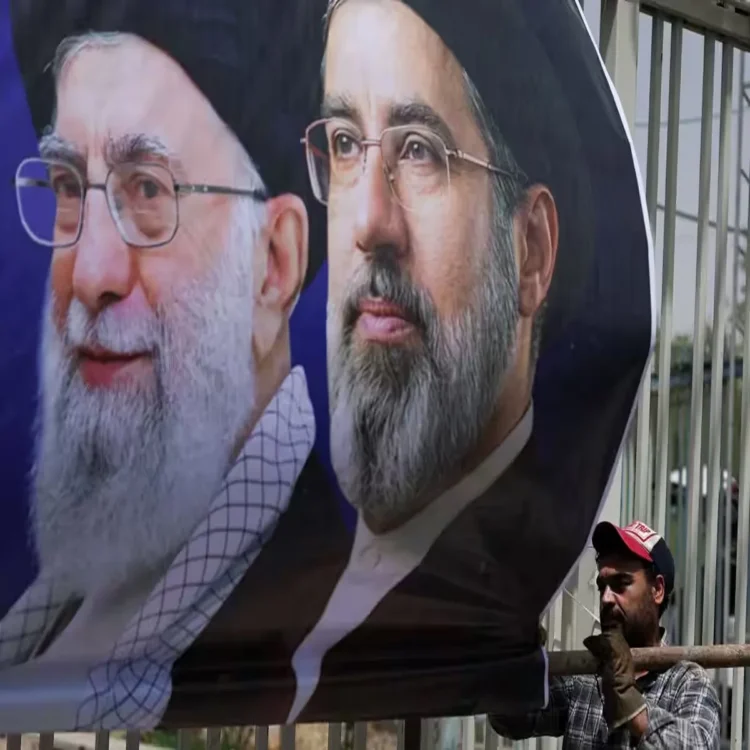
Security concerns cited for absence
Elahi said Mojtaba Khamenei’s public appearance at the ceremonies could pose serious risks because of alleged Israeli threats and surveillance activity. He said the leadership had taken the decision as a precaution amid concerns that large public gatherings could create a security vulnerability.
Funeral events for Ali Khamenei are scheduled to take place from July 4 to July 9 at several locations in Iran and Iraq. Iranian authorities have announced ceremonies in major religious and political centres as supporters and officials prepare to pay tribute to the former leader.
Ali Khamenei was killed in an airstrike on February 28, the opening day of the US-Israel war with Iran, according to the information provided by Iranian authorities. His death has added a new dimension to an already volatile regional situation.
Iran warns United States over Israeli statements
The latest security concerns followed strong remarks from Iran’s Foreign Minister Seyed Abbas Araghchi, who criticised the United States after Israeli Defence Minister Israel Katz reportedly made comments about Mojtaba Khamenei.
In a post on X, Araghchi urged US President Donald Trump to restrain Israel, referring to commitments Iran says were included in a 14-point memorandum of understanding aimed at ending hostilities in West Asia. He said any threat directed at Iran’s leadership or people would receive a forceful response.
Araghchi’s comments were made after Katz reportedly described Mojtaba Khamenei as being “marked for death.” The Iranian foreign minister said Washington had a responsibility to prevent further escalation and ensure that commitments made during negotiations were respected.
Israel maintains opposition to Iranian nuclear programme
Katz also repeated Israel’s position that Iran should not be allowed to develop nuclear weapons. He said Israel would prefer an agreement that addresses its concerns but maintained that Tehran must not be permitted to advance towards nuclear weapons capability.
Iran has repeatedly rejected allegations that it is seeking nuclear weapons and has said its nuclear programme is intended for peaceful purposes. The issue has remained central to negotiations and regional tensions for years, with Western governments and Israel continuing to raise concerns over Iran’s nuclear activities.
The exchange of statements between Iranian and Israeli officials has further highlighted the fragile state of diplomacy in the region, where military threats and political disagreements continue to influence talks.
Doha meetings report progress in negotiations
Diplomatic efforts continued this week as Qatar and Pakistan held separate discussions with US and Iranian negotiators in Doha. Officials described the meetings as showing positive progress on matters connected to the 14-point memorandum of understanding.
Majed Al Ansari, an adviser to Qatar’s prime minister and spokesperson for the Ministry of Foreign Affairs, said the parties had agreed to continue their discussions. He said another round of talks would be arranged as soon as possible after the funeral ceremonies for the former Iranian leader.
The negotiations are being closely watched as regional governments seek to prevent a wider conflict. While officials have reported progress, major differences remain over security guarantees, Iran’s nuclear programme and Israel’s role in the broader regional dispute.