
Immigration – US Court Clears Path for End of TPS Protection for Haitians
Immigration – Temporary Protected Status protections for hundreds of thousands of Haitian nationals in the United States are set to end after a federal judge lifted an earlier court order, following a recent ruling by the US Supreme Court.
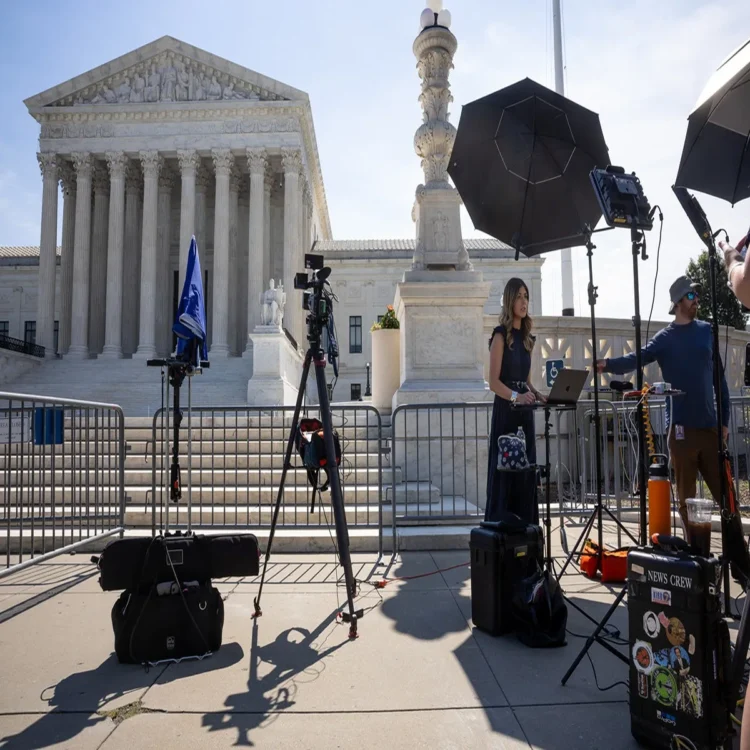
A federal judge in Washington has cleared the way for the Trump administration to move forward with ending Temporary Protected Status (TPS) for nearly 350,000 Haitian nationals living in the United States. The ruling means those affected could face deportation despite continuing security and humanitarian concerns in Haiti, where the US government itself continues to warn citizens against travel because of severe instability.
Judge Revises Earlier Order After Supreme Court Decision
US District Judge Ana C. Reyes had previously blocked the administration’s effort to end TPS protections for Haitians, concluding that the program should remain in place while legal challenges continued. That decision was later upheld by a federal appeals court.
However, the legal landscape changed after the US Supreme Court ruled in June, by a 6-3 majority, that decisions related to Temporary Protected Status are generally not subject to judicial review under federal law. The ruling significantly limited the ability of lower courts to intervene in such executive decisions and is expected to influence similar cases involving migrants from countries including Haiti and Syria.
In response to the Supreme Court’s judgment, Judge Reyes issued a new order withdrawing her earlier ruling. She stated that the higher court’s decision effectively overturned the basis for her previous order, making the suspension of the TPS termination no longer valid.
What Temporary Protected Status Means
Temporary Protected Status is a humanitarian immigration program that allows eligible foreign nationals to remain and work legally in the United States when conditions in their home countries make safe return impossible. The designation is commonly granted during armed conflicts, natural disasters, or other extraordinary circumstances.
For Haitian beneficiaries, TPS has served as an important legal safeguard for years, allowing many families to build lives and careers in the United States while conditions in Haiti remained unstable.
Economic Impact on Haitian Workers
Immigration advocacy organization FWD.us estimates that around 200,000 Haitians currently protected under TPS are active in the US workforce. Many are employed in sectors that play a vital role in the country’s economy, including healthcare, food services, retail, warehousing, and long-term caregiving.
Advocates have argued that ending the program could not only disrupt the lives of affected families but also create workforce shortages in industries that rely heavily on experienced employees.
Haiti Continues to Face Serious Security Challenges
The decision comes at a time when Haiti remains under the highest travel advisory issued by the US Department of State. The department classifies the Caribbean nation as a Level 4 destination, urging Americans not to travel there because of widespread crime, kidnappings, civil unrest, terrorism risks, and limited access to healthcare.
Humanitarian organizations have also continued to raise concerns about worsening food insecurity and ongoing violence across parts of the country. These conditions have fueled criticism from immigration advocates, who argue that returning large numbers of people to Haiti would expose them to significant risks.
While the court ruling allows the administration to proceed with ending TPS protections, the decision is expected to remain a focal point in the broader debate over US immigration policy and humanitarian protections for migrants fleeing unstable regions.