
BorderTalks – India and China Review LAC Situation, Focus on Boundary Cooperation
BorderTalks –India and China held another round of diplomatic discussions in New Delhi, where both sides reviewed the current situation along the Line of Actual Control (LAC) and exchanged views on several important issues related to the boundary, border administration, and cross-border cooperation.
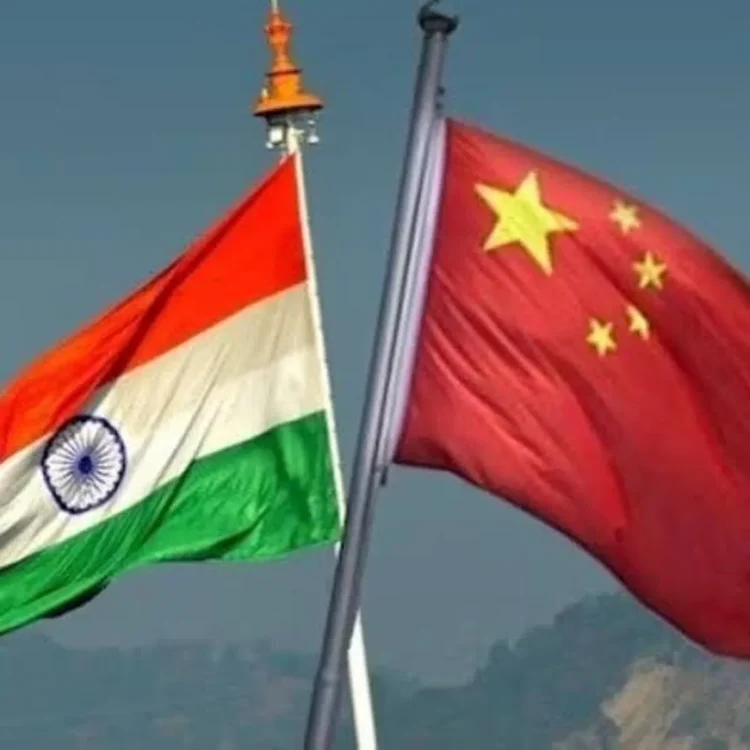
The meeting took place under the Working Mechanism for Consultation and Coordination on India-China Border Affairs (WMCC), one of the established platforms for dialogue between the two countries on border-related matters. The latest discussions came a day after another round of meetings focused on issues connected to the boundary, reflecting continued diplomatic engagement between New Delhi and Beijing.
Review of the Situation Along the LAC
According to a statement issued by the Ministry of External Affairs (MEA), representatives from both countries carried out a detailed assessment of the overall situation along the Line of Actual Control. Officials described the discussions as open and constructive, with both delegations exchanging views on existing concerns and developments in the border region.
The two sides reaffirmed that preserving peace and stability along the border remains a key requirement for maintaining and improving overall bilateral relations. They agreed that sustained communication can help reduce tensions and create conditions for broader cooperation in other areas.
Commitment to Existing Communication Mechanisms
During the talks, India and China agreed to continue using the diplomatic and military channels that have already been established to manage border-related issues. These include the WMCC, meetings between local military commanders, and other agreed mechanisms designed to maintain communication and prevent unnecessary escalation.
Officials from both countries acknowledged the importance of avoiding misunderstandings or miscalculations along the Line of Actual Control. Continued dialogue through these channels was seen as an important step in addressing unresolved matters while ensuring stability in sensitive border areas.
Discussions on Boundary Delimitation and Cooperation
The latest meeting also followed up on the understandings reached during the previous round of discussions between the Special Representatives of both countries. As part of that process, the delegations held detailed exchanges on issues linked to boundary delimitation, border management practices, institutional mechanisms, and cooperation on matters that extend across the border.
The Ministry of External Affairs noted that these discussions are part of ongoing efforts to address long-standing issues through structured diplomatic engagement. Both countries have continued to use established frameworks to discuss practical measures aimed at strengthening communication and improving coordination.
India Raises Trans-Border River Issues
Apart from border management, the Indian delegation highlighted the need to convene the next meeting of the expert-level mechanism dealing with trans-border rivers at the earliest opportunity. India also underlined the importance of timely sharing of technical information related to upstream infrastructure projects.
Such exchanges are considered significant for improving transparency and supporting cooperation on river-related matters that affect both countries. Regular technical discussions are viewed as an important component of broader bilateral engagement.
Senior Officials Led the Delegations
The Indian delegation was led by Sujit Ghosh, Joint Secretary (East Asia) in the Ministry of External Affairs. The Chinese side was headed by Hou Yanqi, Director General of the Boundary and Oceanic Affairs Department at China’s Ministry of Foreign Affairs.
The latest WMCC meeting reflects the continued willingness of both countries to remain engaged through diplomatic dialogue while addressing complex border-related issues. Although several matters remain unresolved, both India and China reiterated their commitment to maintaining communication and working through established mechanisms to preserve peace and stability along the Line of Actual Control.