
Geopolitics – US Signals Progress in Iran Talks Amid Rising Tensions
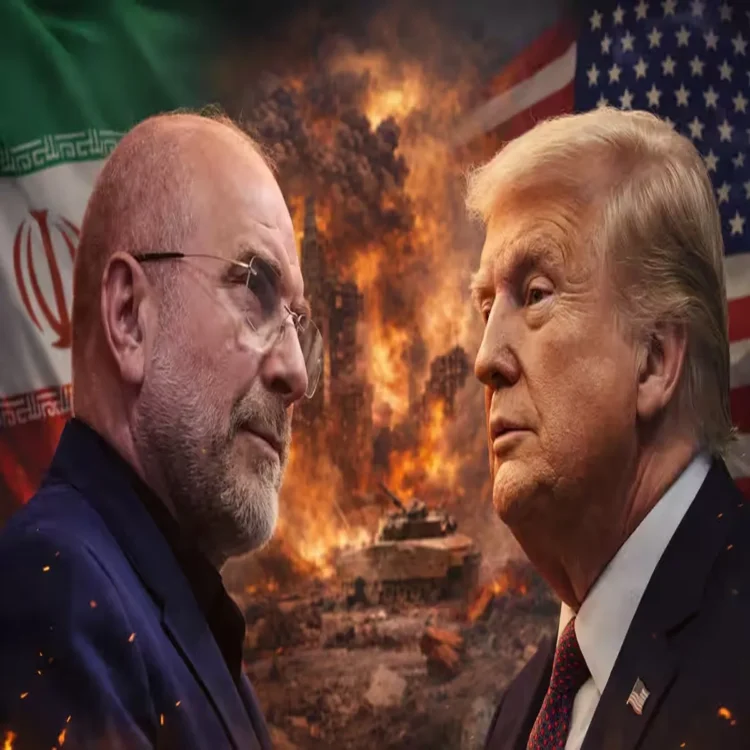
Geopolitics – The United States has indicated that diplomatic engagement with Iran may be moving forward, even as tensions across the region continue to escalate. In a recent interview, former U.S. President Donald Trump stated that Washington is in discussions with Iran’s parliamentary speaker, Mohammad Bagher Qalibaf, suggesting a possible opening for negotiations aimed at ending ongoing hostilities.
Claims of Ongoing Negotiations
According to Trump, the discussions involve what he described as a more pragmatic leadership approach from Tehran. He noted that talks have shown encouraging signs, raising hopes that a resolution to the conflict could be achieved in the near term. However, Iranian officials have publicly rejected claims of direct negotiations with the United States.
Qalibaf, a prominent political figure and former commander in Iran’s Revolutionary Guard, has denied any formal dialogue between the two countries. He also dismissed earlier suggestions that Pakistan had facilitated indirect talks, calling such reports misleading and unrelated to diplomatic efforts.
Warning of Escalation
Despite expressing optimism about the talks, Trump issued a stark warning about the consequences of a failed agreement. He suggested that if negotiations collapse or if key maritime routes remain disrupted, the United States could take aggressive action against Iran’s critical infrastructure.
Among the potential targets mentioned were power generation facilities and oil production sites, which are central to Iran’s economy. Trump emphasized that maintaining open access to the Strait of Hormuz, a vital global shipping route, would be a key condition for avoiding further escalation.
Regional Conflict Deepens
At the same time, the broader Middle East situation has grown more complex. Israel has expanded its military operations into southern Lebanon, aiming to push back Hezbollah forces that have launched cross-border attacks. Israeli officials have indicated that the campaign could extend over a longer period if security concerns persist.
The situation has also raised international alarm following the deaths of three United Nations peacekeepers within a short span. While the exact circumstances remain unclear, the incident has intensified calls for restraint and accountability from global leaders.
Market Reaction Reflects Uncertainty
Financial markets have responded cautiously to the unfolding developments. U.S. stocks recorded modest gains, but trading remained volatile as investors weighed the risks associated with prolonged conflict. Rising oil prices have been a key concern, driven by uncertainty over supply disruptions and the potential impact on global energy markets.
Analysts note that any disruption in the Strait of Hormuz could have far-reaching consequences, as a significant portion of the world’s oil shipments passes through the narrow waterway. This has made the outcome of U.S.-Iran discussions particularly important for economic stability.
Diplomatic Path Remains Unclear
While the possibility of renewed dialogue offers a glimmer of hope, conflicting statements from both sides highlight the fragile nature of the situation. The gap between public positions and reported negotiations suggests that any progress may still be in its early stages.
Observers believe that sustained diplomatic efforts, supported by regional and international stakeholders, will be necessary to prevent further escalation. For now, the world continues to watch closely as developments unfold across both the political and military fronts.