
Geopolitics – Trump Signals Uncertainty Over Iran Ceasefire Extension Decision
Geopolitics – The United States has hinted at the possibility of renewed military escalation with Iran, as President Donald Trump indicated that the current temporary ceasefire may not be prolonged beyond its deadline.
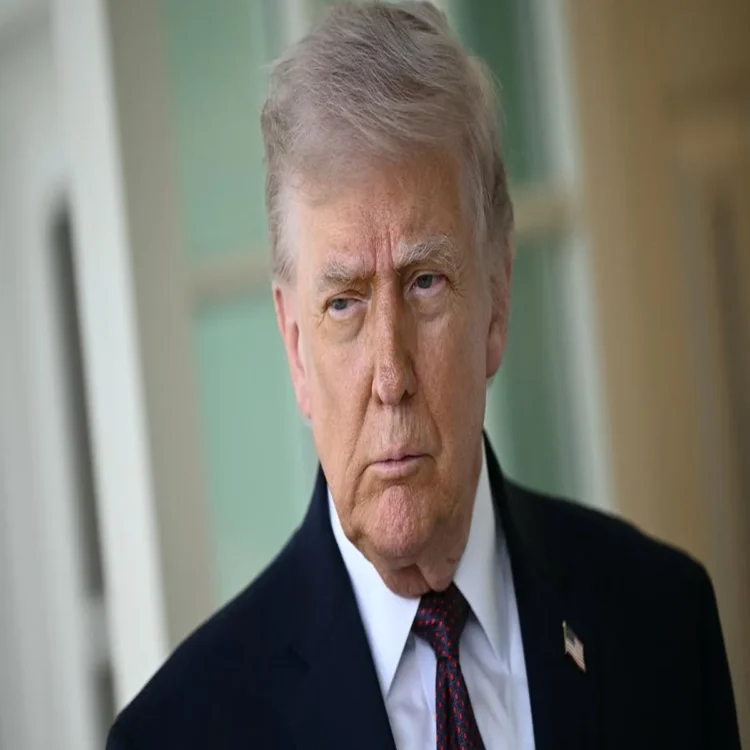
Uncertainty Over Ceasefire Continuation
Speaking to reporters aboard Air Force One, President Trump suggested that the future of the ongoing truce with Iran remains unclear. He stated that any decision to extend the ceasefire would depend entirely on whether both sides can reach a broader agreement before the current deadline expires.
The two-week pause in hostilities is scheduled to end on April 22. Trump’s remarks highlighted a cautious approach, leaving open the possibility that the ceasefire could lapse if negotiations fail to produce meaningful results.
Warning of Renewed Military Action
During the interaction, the US President made it clear that while diplomatic efforts are ongoing, the United States is prepared to resume military operations if necessary. He emphasized that even if the ceasefire is not extended, certain strategic measures, including the naval blockade of Iranian ports, will remain firmly in place.
Trump acknowledged the potential consequences of a breakdown in talks, noting that failure to secure an agreement could lead to a return to active conflict. His comments signaled a more assertive stance, underscoring Washington’s readiness to escalate pressure on Tehran if diplomatic efforts stall.
Continued Naval Blockade Strategy
One of the key elements of the US approach is the continuation of its naval blockade targeting Iranian ports. According to Trump, this measure will persist regardless of whether a formal ceasefire extension is agreed upon.
The blockade has been a significant tool in limiting Iran’s economic and logistical capabilities during the conflict. By maintaining this restriction, the US aims to sustain leverage over Iran while negotiations continue.
Fresh Diplomatic Efforts in Islamabad
Amid rising uncertainty, a new round of discussions between American and Iranian representatives is expected to take place in Islamabad. According to officials familiar with the process, delegations from both countries are likely to arrive in the Pakistani capital ahead of scheduled talks.
These negotiations are seen as a critical opportunity to break the current deadlock and explore possible pathways toward a longer-term resolution. The upcoming meeting follows earlier diplomatic engagements that failed to produce a definitive agreement.
Background of Previous Talks
Earlier discussions held between April 11 and April 12 in Islamabad marked a notable attempt to ease tensions between the two nations. Facilitated by Pakistan, these talks were historically significant as they represented the first direct, high-level engagement between the United States and Iran since the 1979 Islamic Revolution.
Despite their importance, the earlier negotiations ended without a concrete breakthrough, leaving several key issues unresolved. The continuation of dialogue reflects both sides’ willingness to keep diplomatic channels open, even as tensions remain high.
Rising Stakes Ahead of Deadline
As the ceasefire deadline approaches, the situation remains highly fluid. The outcome of the Islamabad talks could play a decisive role in determining whether the region moves toward stability or returns to conflict.
Observers note that the combination of ongoing negotiations and strong military positioning reflects a dual-track strategy by the United States—balancing diplomacy with pressure. Iran’s response in the coming days will be equally crucial in shaping the next phase of this evolving geopolitical situation.
With just days remaining before the truce expires, global attention is focused on whether both sides can bridge their differences and avoid another escalation in West Asia.