
Geopolitics – Iran Denies Role in Attacks, Warns of Regional Tensions
Geopolitics – Iran’s Supreme Leader Mojtaba Khamenei has firmly denied any involvement by Iranian forces or allied groups in the recent strikes reported in parts of Turkey and Oman. His statement comes at a time of heightened regional sensitivity and follows a series of military developments involving multiple countries.
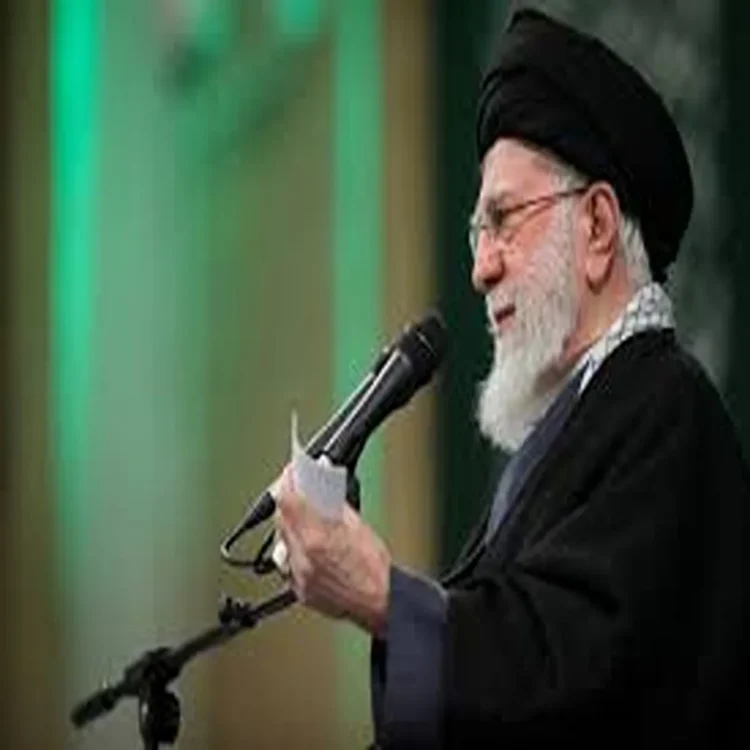
Statement During Festive Message
The remarks were delivered as part of a message marking Eid-ul-Fitr, which concludes the holy month of Ramadan, as well as Nowruz, the Persian New Year observed on March 21. In his address, Khamenei emphasized that Iran maintains constructive and stable relations with both Turkey and Oman, rejecting claims that Tehran had any role in the incidents.
He cautioned that certain actors in the region might attempt to manipulate events to create discord among neighboring countries. According to him, such actions could involve deceptive strategies aimed at misattributing responsibility for attacks in order to escalate tensions.
Warning Against Misleading Operations
Khamenei pointed to the possibility of “false flag” operations, suggesting that such tactics could be used to damage trust between Iran and other regional nations. He warned that these strategies are not limited to a single location and could occur in different countries to provoke instability.
Reaffirming Iran’s regional approach, he stressed the importance of maintaining cooperative ties with neighboring states. He also encouraged Afghanistan and Pakistan to work toward improving bilateral relations, indicating Iran’s willingness to support efforts that promote regional harmony.
Focus on Domestic Development
Beyond foreign policy concerns, the Iranian leader addressed internal priorities. He highlighted the need to improve living standards for citizens and strengthen national infrastructure. Economic stability and public welfare were presented as key goals for the coming year.
Khamenei also announced the theme for the new year as “resistance economy in light of national unity,” underscoring a focus on economic resilience and collective progress. This approach reflects ongoing efforts to navigate external pressures while strengthening domestic capabilities.
NATO Reinforces Air Defence in Turkey
In a related development, Turkey has seen an increase in defensive measures following a recent missile incident. NATO has deployed an additional Patriot air defence system to the southern province of Adana, according to statements from Turkey’s Defence Ministry.
Officials explained that the move is intended to strengthen existing security arrangements. The newly deployed system complements a Patriot battery already stationed in the region as part of Spain’s contribution to NATO operations.
Missile Incident Raises Concerns
Turkish authorities confirmed that a ballistic missile launched from Iran on March 13 briefly entered Turkish airspace. The missile was intercepted and neutralized over the eastern Mediterranean by NATO’s integrated air defence systems.
The incident has added to regional concerns about escalating military activity and the risks posed to neighboring countries. Turkey has reiterated its commitment to safeguarding its airspace and protecting civilians through both national and allied measures.
Background of Escalating Conflict
The current situation follows a series of military confrontations in the region. On February 28, coordinated strikes by Israel and the United States targeted Tehran and other Iranian cities. The attacks reportedly resulted in the deaths of Iran’s top leadership figures, senior military officials, and civilians.
In response, Iran launched multiple waves of missile and drone attacks aimed at Israeli targets and US military assets across the Middle East. These developments have significantly raised tensions and increased the risk of broader regional conflict.
Ongoing Regional Uncertainty
As the situation continues to evolve, diplomatic efforts and security measures remain critical. Iran’s denial of involvement in recent incidents, combined with warnings about misinformation, highlights the complexity of the current geopolitical landscape.
The deployment of additional defence systems and the exchange of military actions underscore the fragile balance in the region. Observers note that maintaining communication and preventing misunderstandings will be essential to avoiding further escalation.