
Earthquake – Moderate Tremor Hits Tajikistan, No Immediate Damage Reported
Earthquake – An earthquake measuring 4.3 on the Richter scale was recorded in Tajikistan early Saturday morning, according to official data released by the National Centre for Seismology.
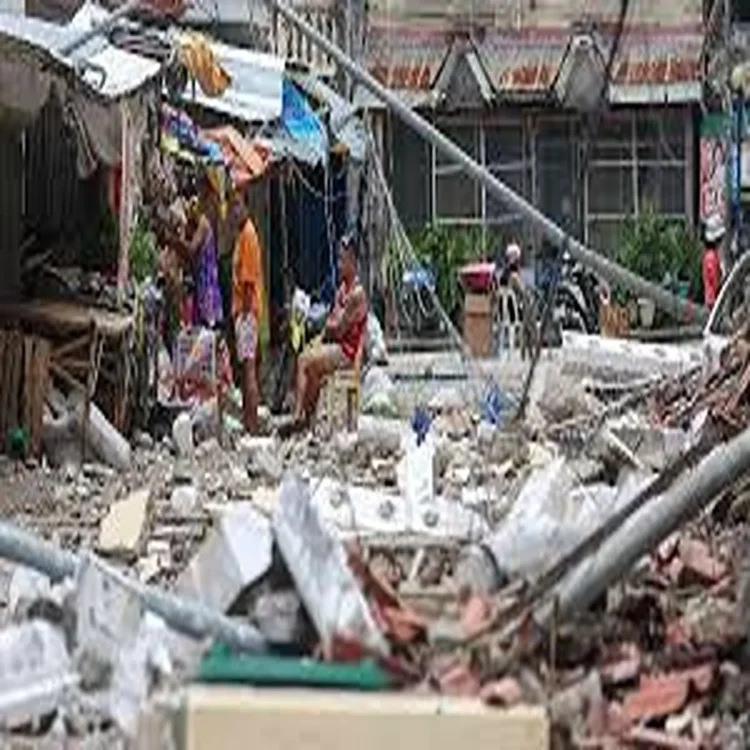
The tremor occurred at 06:19 IST and originated at a depth of approximately 10 kilometres beneath the surface. Its epicentre was located at latitude 36.932 north and longitude 71.515 east. Due to its relatively shallow depth, experts note that such earthquakes can sometimes result in stronger surface shaking compared to deeper seismic events.
Shallow Depth Raises Aftershock Concerns
Seismologists explain that earthquakes occurring closer to the Earth’s surface tend to release energy more abruptly, which can increase the intensity of ground movement. This raises the likelihood of aftershocks, although no immediate reports of significant damage or casualties have emerged so far.
Earthquake depth plays a crucial role in determining its impact. Shallow quakes, typically defined as those occurring between 0 and 70 kilometres, often pose a greater risk to buildings and infrastructure. In contrast, deeper earthquakes, though sometimes stronger in magnitude, usually disperse energy over a wider area before reaching the surface.
Understanding Earthquake Classification
According to widely accepted scientific classifications, earthquakes are grouped based on their depth. Events occurring between 0 and 70 kilometres are termed shallow, those between 70 and 300 kilometres are considered intermediate, and quakes deeper than 300 kilometres fall into the deep category. This categorisation helps researchers assess potential risks and expected ground behaviour.
The recent tremor in Tajikistan falls into the shallow category, which is often associated with sharper and more noticeable shaking at the surface level. Even moderate magnitude earthquakes can feel stronger when they occur at such depths.
Region’s Geographic Vulnerability
Tajikistan’s landscape makes it particularly susceptible to natural hazards. The country is largely mountainous, with fragile ecosystems and steep terrains that increase the risk of landslides and soil erosion. In addition to earthquakes, the region frequently experiences floods, avalanches, droughts, and mudslides.
Many of the country’s river systems depend on glaciers, which play a critical role in supplying water for agriculture and hydropower. These river basins are especially sensitive to environmental changes and natural disturbances.
Climate Change Adding Pressure
Experts have also highlighted that climate change is intensifying existing risks in Tajikistan. Projections indicate that a significant portion of the country’s glaciers could disappear by the middle of this century, which may disrupt water availability and increase the frequency of related hazards.
Additionally, natural events such as landslides and floods often damage roads and bridges, further isolating remote communities. Over time, repeated exposure to such hazards weakens infrastructure and reduces the effectiveness of protective systems designed to manage disasters.
Need for Resilient Infrastructure
Disaster management specialists emphasise the importance of integrating scientific data with local knowledge when planning infrastructure projects. By considering both seismic risks and future climate scenarios, authorities can improve the durability and safety of buildings, roads, and other essential systems.
Strengthening resilience is seen as a long-term priority for Tajikistan, where natural hazards remain a persistent challenge. The recent earthquake serves as a reminder of the region’s vulnerability and the importance of preparedness in reducing potential impacts.