
Diplomacy – US-India Relations Face Strains Yet Remain Strategically Vital
Diplomacy – The relationship between the United States and India has encountered periods of strain in recent years, but both countries continue to rely on each other as key partners in an increasingly complex global environment. Former US National Security Advisor H.R. McMaster acknowledged that while ties have not always been smooth, their importance remains unchanged, particularly in the context of rising geopolitical challenges.
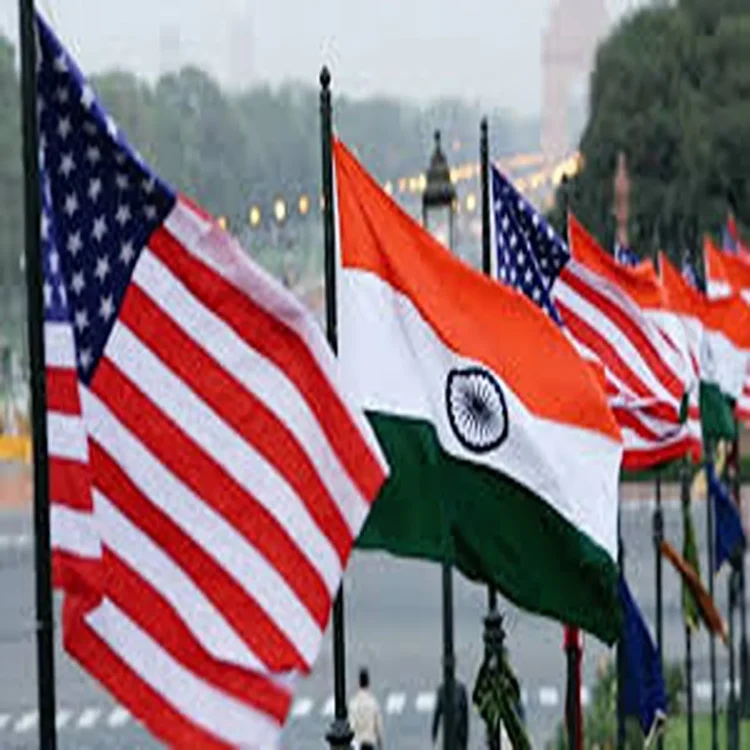
Periods of Tension in Bilateral Engagement
McMaster noted that the partnership has experienced difficulties that, in his view, could have been avoided. He pointed to issues during the Trump administration, where differences emerged over diplomatic recognition and policy approaches. According to him, there was a perception within the US leadership that efforts to ease tensions between India and Pakistan did not receive adequate acknowledgment.
Trade disagreements have also been a persistent concern in the relationship. McMaster described these issues as longstanding but manageable, suggesting that both countries have the capacity to address them through cooperation and dialogue.
Diverging Positions on Global Conflicts
One of the more recent sources of disagreement has been India’s stance following Russia’s invasion of Ukraine. McMaster observed that there was a degree of disappointment in Washington when India chose not to align with the US position at the United Nations.
However, he also emphasized that India’s approach reflects broader strategic calculations. Questions about the reliability of US support, especially after the withdrawal from Afghanistan, have influenced how India evaluates its international partnerships. This has contributed to a cautious and balanced foreign policy stance.
Strategic Balance and Mutual Dependence
McMaster described India’s strategic outlook as an effort to navigate between competing concerns. On one hand, there is a desire to avoid being drawn too deeply into alliances, while on the other, there is concern about being left without sufficient support in times of need.
He suggested that a stronger and more consistent commitment from Washington could help build greater confidence in the partnership. From India’s perspective, he added, the United States is likely to remain a crucial partner in the years ahead.
Defence Cooperation and Challenges
Another area of concern highlighted by McMaster is India’s continued dependence on Russian military equipment. He argued that this reliance poses challenges for deeper defence collaboration between the two nations. Concerns about security and technology transfer have made the United States cautious about sharing its most advanced systems.
He also questioned the effectiveness of Russian military hardware, citing recent developments in global conflicts as an indication that such systems may not meet modern requirements. Reducing this dependence, he suggested, could open the door to more extensive cooperation in defence technology and procurement.
Shared Concerns Over China
Despite these differences, McMaster stressed that the United States and India share common strategic interests, particularly in addressing challenges posed by China. He pointed to ongoing tensions along the India-China border and described China’s actions as both aggressive and strategically disruptive.
According to him, cooperation between Washington and New Delhi is essential in managing these challenges. He framed the relationship as mutually beneficial, with each country playing a role in addressing the other’s strategic concerns.
Strong People-to-People Connections
Beyond government-level interactions, McMaster highlighted the importance of social and cultural ties between the two nations. The Indian diaspora in the United States has played a significant role in strengthening these connections, contributing to various sectors including technology, business, and academia.
He noted that these human links form a strong foundation for the relationship, supporting its long-term stability even during periods of political disagreement.
Long-Term Outlook Remains Positive
Despite current challenges, McMaster expressed confidence in the future of US-India relations. He described the two countries as natural partners whose shared interests and values will continue to bring them closer over time.
While differences may arise, the broader strategic alignment and mutual dependence are likely to ensure that the partnership remains a key pillar in global affairs.