
Diplomacy – Trump’s Public Remarks Stir Uncertainty in US-Iran Peace Talks
Efforts to bring an end to the prolonged standoff between the United States and Iran appeared to be nearing a turning point late last week. Diplomatic channels had shown signs of progress after weeks of indirect engagement. However, the situation took an unexpected turn when public comments from former President Donald Trump introduced fresh uncertainty into the sensitive negotiations.
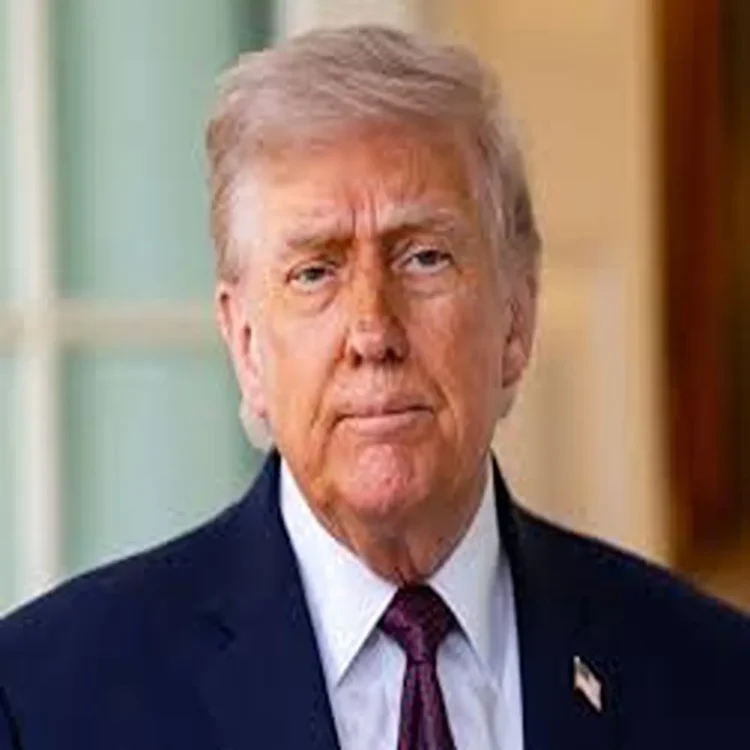
Public Statements Disrupt Quiet Diplomacy
According to multiple reports, negotiations had been advancing through backchannel communications, with mediators relaying messages between Washington and Tehran. During this delicate phase, Trump chose to speak openly about the discussions, sharing updates through social media and direct conversations with journalists.
In these public remarks, he suggested that Iran had already agreed to several key conditions. Among those claims were statements that Tehran had accepted limits on its nuclear activities and that the conflict was effectively resolved. However, sources familiar with the talks indicated that such issues were still under discussion and far from finalized.
Iran Rejects Claims, Talks Lose Momentum
Iranian officials responded quickly, dismissing the statements and clarifying that no final agreement had been reached. They also denied reports of an imminent new round of negotiations. This response cooled the optimism that had been building during the week, raising doubts about whether both sides remained aligned in their expectations.
Diplomatic observers noted that such public disclosures can complicate negotiations, particularly when trust between parties is already fragile. Tehran has historically been cautious about appearing to concede under pressure, especially in the public eye.
Internal Concerns Within US Administration
Behind the scenes, concerns reportedly emerged within the US administration as well. Officials acknowledged that ongoing commentary about sensitive discussions could undermine progress. The challenge has been managing communication while maintaining credibility in negotiations that depend heavily on discretion.
Intelligence assessments have also pointed to possible divisions within Iran’s leadership. Questions remain about which factions hold decision-making authority, making it difficult to determine whether any agreement reached at the negotiating table would be fully endorsed.
Key Disputes Over Nuclear Policy
At the heart of the negotiations lies the issue of uranium enrichment. The United States has maintained firm demands that Iran halt enrichment activities entirely and surrender its stockpile of highly enriched material. Iran, on the other hand, has sought to retain limited nuclear capabilities while pushing for the removal of economic sanctions.
Proposals from both sides reflect this gap. Earlier discussions included a potential long-term freeze on enrichment, while more recent ideas suggested shorter timelines followed by restricted activity. Despite these proposals, a mutually acceptable framework has yet to emerge.
Tensions Persist Despite Ceasefire
The fragile ceasefire currently in place has also faced challenges. A recent naval incident involving the interception of an Iranian vessel added to the tension, drawing sharp criticism from Tehran. Such developments highlight how quickly the situation can escalate, even as diplomatic efforts continue.
Meanwhile, conflicting statements from US officials regarding upcoming talks and leadership roles have added to the confusion. Mixed messaging about timelines and participation has made it difficult to assess the current state of negotiations with clarity.
Uncertain Path Ahead
As the ceasefire deadline approaches, the stakes remain high. The US faces a critical decision between pursuing a compromise agreement or considering further escalation. While there have been signs of flexibility in recent rhetoric, a clear and binding deal still appears out of reach.
Analysts warn that prolonged negotiations without resolution could benefit either side strategically, particularly if discussions are used to gain time or reposition resources. Despite these concerns, officials continue to express cautious hope that dialogue may still produce a workable outcome.