
Diplomacy – Trump Signals Progress as Iran-Israel Tensions Ease Amid Talks
Diplomacy – US President Donald Trump said on Tuesday that negotiations aimed at reducing tensions in West Asia had entered a decisive phase, expressing confidence that an agreement could be reached within days. His remarks came after Iran and Israel stepped back from a fresh round of hostilities that had raised concerns about a broader escalation in the region.
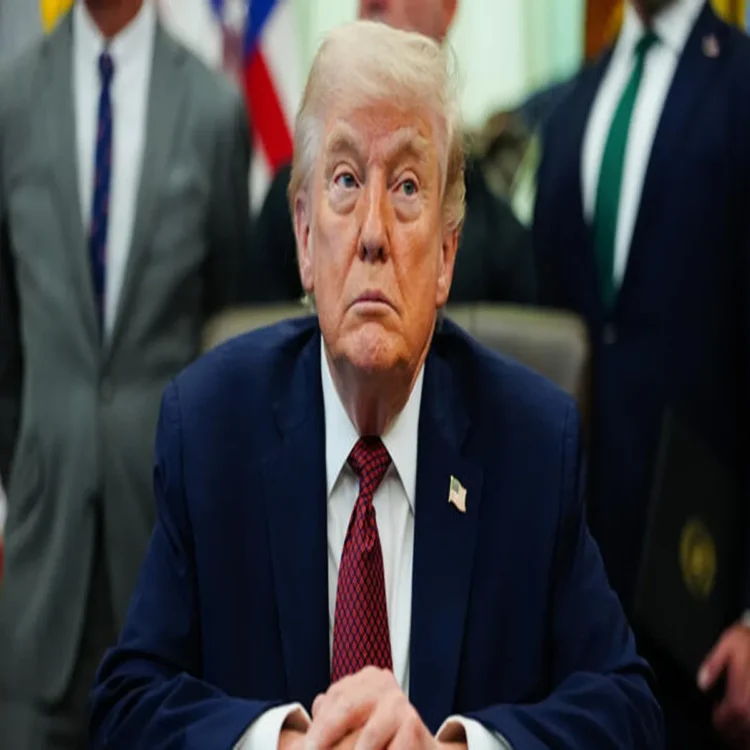
Speaking to reporters after returning from a public event, Trump said both countries had agreed to halt further exchanges of fire and that discussions were moving toward what he described as a positive outcome. He suggested that a breakthrough could emerge within the next few days if ongoing diplomatic efforts continue as planned.
Developments Following Recent Military Exchanges
The latest diplomatic push follows several days of heightened military activity between Iran and Israel. Despite an existing ceasefire arrangement, both sides exchanged strikes over the weekend, increasing fears that the conflict could expand further.
Iran launched missile attacks toward Israel, prompting retaliatory action from Israeli forces. Additional projectiles were reportedly fired before Tehran announced a pause in military operations. Shortly afterward, Israeli Prime Minister Benjamin Netanyahu stated that the situation had stabilized and that the immediate threat had been brought under control.
However, officials from both countries maintained firm positions. Iranian authorities warned that further Israeli military action could trigger another response, while Israeli leaders reiterated that any renewed attack would be met with a strong reaction.
Differences Between Washington and Jerusalem
Although the United States remains a close ally of Israel, recent statements have highlighted differences in strategic priorities. Trump publicly called for restraint and urged all parties to avoid actions that could undermine ongoing negotiations.
Reports suggested that Israel had been considering additional military operations before discussions with US officials led to a pause. According to media accounts, Trump personally communicated with Netanyahu to emphasize the importance of preventing further escalation.
US Vice President JD Vance also acknowledged that while Washington and Jerusalem share many common objectives, there are occasions when their interests do not completely align. He stressed that both governments continue to cooperate closely despite differences in approach.
Lebanon Remains a Major Concern
While tensions between Iran and Israel appeared to ease, violence continued in southern Lebanon. Lebanese health officials reported fatalities following Israeli strikes in the region.
The Israeli military said its operations were conducted in response to threats against troops deployed near the border. Officials also reported intercepting aerial threats and projectiles launched toward Israeli positions.
Lebanon remains a central issue in broader negotiations, particularly because of the involvement of Hezbollah, the Iran-backed movement that has been engaged in frequent clashes with Israeli forces.
Public Sentiment Reflects Uncertainty
Residents across the region expressed concern about the future despite signs of diplomatic progress. In Tehran, daily life continued with businesses operating and public spaces remaining active, although many citizens described uncertainty about whether calm would last.
Similar concerns were evident in Israel, where air-raid sirens once again sent residents to shelters. Many people welcomed the possibility of a diplomatic solution but remained cautious after experiencing previous periods of conflict.
Economic Impact and Regional Diplomacy
The confrontation has also affected international trade and energy markets. Shipping activity through key maritime routes has faced disruption, while sanctions and restrictions have added pressure to regional commerce. Oil prices, which surged during the latest tensions, later eased as hopes for de-escalation improved market confidence.
Diplomatic contacts involving regional mediators have continued alongside military developments. Iranian officials stated that negotiations remain active despite recent hostilities, emphasizing that dialogue has not been abandoned.
Iranian President Masoud Pezeshkian also reaffirmed his country’s commitment to diplomatic engagement, stating that Tehran remains involved in ongoing discussions aimed at reducing tensions and promoting stability across the region.