
Diplomacy – Lebanon Renews Pressure for Israeli Pullout From Southern Border Areas
Diplomacy – Lebanese President Joseph Aoun has renewed calls for a complete Israeli withdrawal from southern Lebanon, describing the issue as a firm national priority ahead of another round of talks expected in Washington next month.
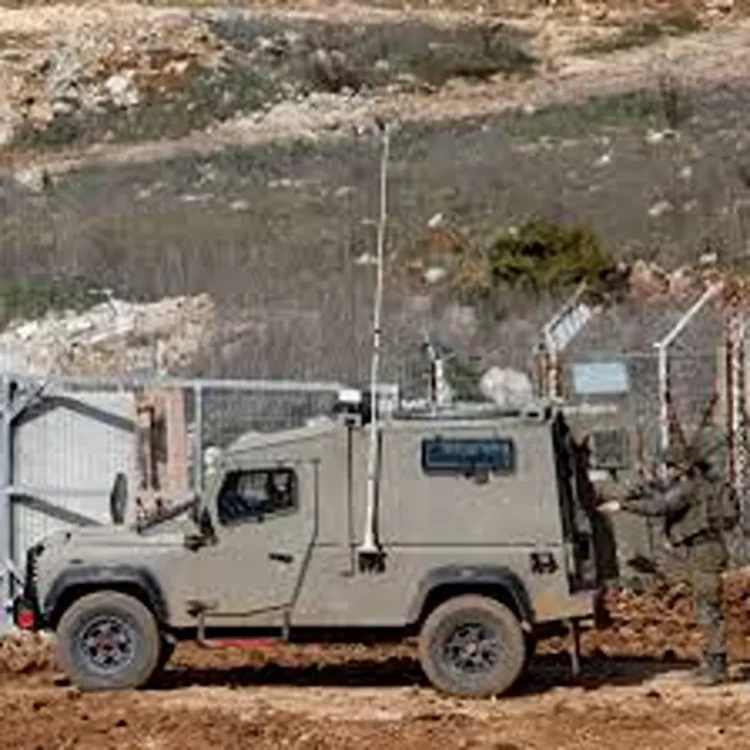
In a statement released on Monday to mark the anniversary of Israel’s withdrawal from southern Lebanon in 2000, Aoun said the country continues to face serious security and political challenges despite the historic milestone achieved more than two decades ago. He noted that residents in southern villages are still dealing with instability and repeated military activity near the border.
Lebanese Leadership Rejects Continued Military Presence
Aoun said Lebanon would continue pursuing diplomatic and political channels to secure what he described as the full restoration of the country’s sovereignty. According to the president, the government considers the removal of Israeli forces from Lebanese territory a matter that cannot be compromised during negotiations.
Israeli troops entered parts of southern Lebanon during the recent conflict involving Hezbollah. Since March 2, Israeli forces have remained active inside a self-declared security zone extending several kilometres into Lebanese territory. Military operations and air strikes have also continued beyond that area despite a ceasefire agreement announced in April.
The Lebanese president stressed that Beirut does not view negotiations as a sign of weakness. Instead, he said discussions are intended to protect national interests and reduce tensions along the border.
New Diplomatic Talks Expected in Washington
Lebanon and Israel began indirect negotiations last month with mediation from the United States. Officials from both countries are expected to participate in a fourth round of talks in early June. Before those discussions, military representatives are scheduled to meet at the Pentagon on May 29.
The negotiations are being closely watched across the region because they come during a period of continuing instability in the Middle East. Diplomatic sources believe the talks could help lower military tensions if both sides agree on border security arrangements and withdrawal terms.
Lebanese authorities have repeatedly stated that long-term stability depends on ending military confrontations and restoring state control across all southern areas.
Hezbollah Maintains Opposition to Talks
Hezbollah leader Naim Qassem criticised the ongoing negotiations during a public address on Sunday. He rejected direct engagement with Israel and repeated the group’s refusal to surrender its weapons.
Qassem also questioned the Lebanese government’s handling of foreign pressure and sanctions. He argued that national sovereignty cannot exist if outside powers continue influencing political and economic decisions inside Lebanon.
The Hezbollah leader warned that public frustration could increase if the government fails to respond effectively to Israeli strikes and international sanctions targeting institutions linked to the group.
Despite political divisions inside Lebanon, Hezbollah continues carrying out attacks against Israeli military positions near the border. The exchanges have added pressure on the Lebanese government as it attempts to balance diplomatic efforts with domestic security concerns.
International Reactions Add to Regional Pressure
The United States has strongly criticised Hezbollah’s recent statements. US Secretary of State Marco Rubio accused the group of encouraging instability and attempting to undermine Lebanon’s elected government.
Washington has also increased pressure on financial networks connected to Hezbollah, including the Al-Qard Al-Hassan institution. American officials want Lebanese authorities to take stronger action against organisations accused of supporting Hezbollah’s activities.
Lebanese officials, however, remain focused on preventing a wider conflict while continuing negotiations backed by international mediators. Analysts say the coming weeks could prove important for both diplomatic progress and regional stability, especially if military clashes continue near the southern border.
For now, Lebanon’s leadership appears determined to push for a negotiated solution while insisting that full Israeli withdrawal remains central to any future agreement.