
DigitalAssets – US Administration Rejects Central Bank Digital Currency Proposal
DigitalAssets – The administration of US President Donald Trump has reaffirmed its opposition to introducing a central bank digital currency (CBDC), signalling a clear policy direction that prioritizes private-sector digital asset development over government-issued digital money.
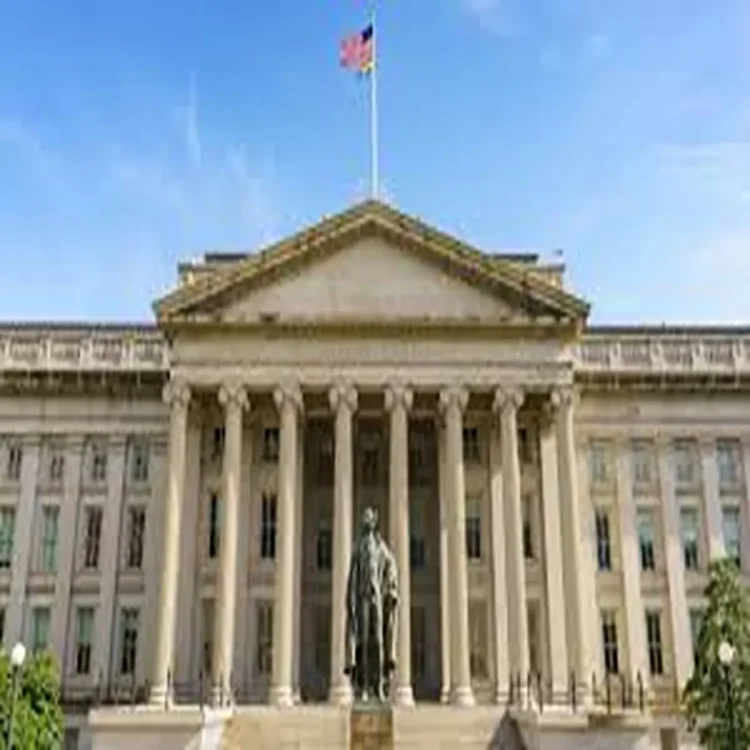
Speaking during a White House media briefing, Treasury Secretary Scott Bessent stated that the government has no plans to pursue a digital version of the US dollar issued by the central bank. According to Bessent, the administration believes such a system could create concerns about financial privacy and increase the potential for government monitoring of individual transactions.
Concerns Over Financial Privacy
Bessent argued that a central bank digital currency could provide authorities with greater visibility into how citizens spend and transfer money. He suggested that the introduction of a government-controlled digital payment system may gradually expand oversight of personal financial activity.
The Treasury Secretary emphasized that the administration views financial privacy as an important consideration when evaluating future payment technologies. As a result, officials have chosen not to support efforts aimed at creating a digital dollar.
Diverging From Global CBDC Trends
The position adopted by Washington comes at a time when several central banks around the world are researching, testing, or developing their own digital currencies. While many countries continue to assess the potential benefits of CBDCs, the United States appears to be taking a different route by focusing on private innovation within the digital asset sector.
Bessent noted that the administration favors policies that encourage responsible growth in cryptocurrencies, stablecoins, and other digital financial products operating under established US regulatory standards.
Focus on Stablecoin Legislation
Instead of advancing a central bank digital currency, the administration is placing greater attention on legislation designed to regulate digital assets. Bessent highlighted recent progress on stablecoin-related measures that have received support from lawmakers across party lines.
He also pointed to ongoing discussions surrounding the CLARITY Act, describing it as another significant step toward creating a more predictable legal environment for the cryptocurrency industry. The administration believes that clear rules can help businesses operate with confidence while strengthening safeguards for consumers and investors.
Bringing Digital Asset Activity Under US Oversight
According to Bessent, one of the government’s primary goals is to encourage digital asset companies and related financial activities to operate within the United States rather than overseas jurisdictions.
He argued that American regulatory systems and industry standards can provide stronger protections compared with markets where oversight may be weaker. By attracting digital asset businesses to the US, policymakers hope to establish higher levels of transparency, accountability, and compliance across the sector.
Addressing Risks in Offshore Markets
The Treasury Secretary also expressed concerns about activities taking place in foreign cryptocurrency markets. He suggested that many of the problems frequently associated with digital assets originate in regions where regulatory frameworks remain limited or inconsistent.
Bessent stated that bringing more digital asset activity under domestic supervision could reduce risks and improve trust in the industry. He maintained that stronger oversight would help address issues that have affected the reputation of certain segments of the global cryptocurrency market.
Call for Clear Regulatory Framework
Responding to questions from reporters, Bessent encouraged Congress to continue working on legislation that would establish comprehensive rules for digital assets. He said a well-defined regulatory structure could support innovation while ensuring that consumers receive appropriate protections.
The administration’s stance reflects a broader effort to balance technological advancement with financial security, positioning the United States as a major hub for regulated digital asset development without moving toward a government-issued digital currency.