
Conflict – US Declares End to Military Action Against Iran After Deadline
Conflict – The United States government has formally declared an end to its recent military engagement with Iran, with President Donald Trump informing lawmakers that the operation has concluded following the expiration of a legally mandated timeline.
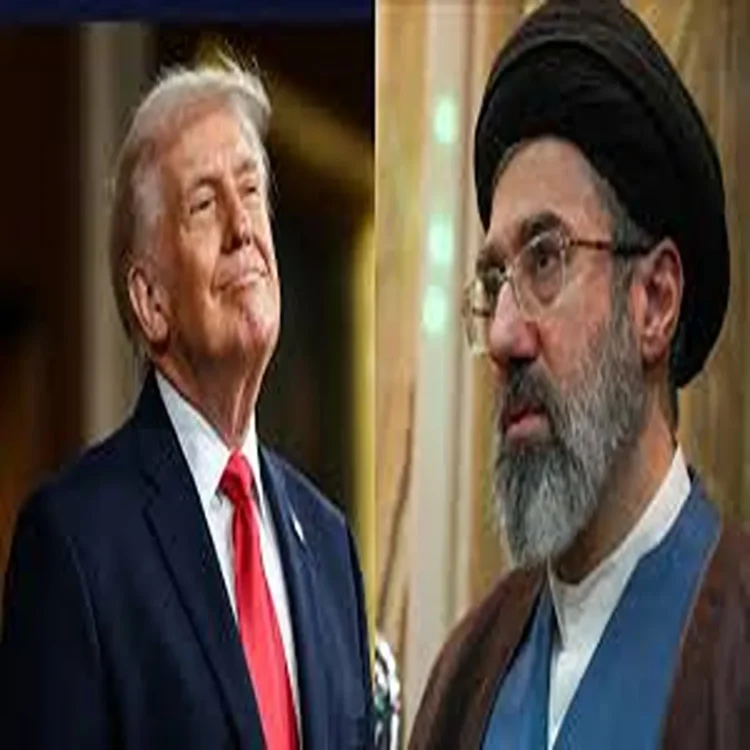
In a letter addressed to congressional leaders, Trump stated that there had been no exchange of fire between American and Iranian forces since April 7, 2026. He added that the hostilities, which began on February 28, had now officially come to an end.
Legal Deadline Drives Decision
The conclusion of the military campaign comes in line with the War Powers Resolution of 1973, a law that limits the duration of military engagements initiated by the president without congressional approval. Under this legislation, any such action must be halted within 60 days unless lawmakers authorize its continuation.
The US administration had formally notified Congress of the military operation on March 2, effectively setting a May 1 deadline. With no further authorization granted, the decision to terminate the conflict aligns with the legal framework governing executive military powers.
Officials suggest that the move may also help ease growing tensions in Washington over the lack of prior congressional approval for the operation.
Background of the Conflict
The military action began earlier this year when the United States, alongside Israel, launched coordinated strikes against Iranian targets. The campaign marked a significant escalation in regional tensions, raising concerns among global observers about the potential for a broader conflict in the Middle East.
While the White House maintained that the operation was necessary for national security, critics argued that bypassing Congress undermined democratic oversight.
Uncertain Path for Diplomacy
Despite the cessation of active combat, uncertainty remains over future relations between the two countries. Speaking to reporters before departing on Marine One, Trump indicated that negotiations with Iran are ongoing but far from satisfactory.
He acknowledged that Iranian officials have expressed interest in reaching an agreement but noted that current proposals do not meet US expectations. According to Trump, the situation remains fluid, and the next steps will depend on how talks evolve.
Concerns Over Iranian Leadership
Trump also commented on the internal dynamics within Iran, describing its leadership as divided and lacking cohesion. He suggested that disagreements among key figures in Tehran are complicating the negotiation process and weakening the country’s ability to present a unified position.
According to his remarks, the absence of clear leadership has made it difficult to establish consistent communication channels, further delaying progress in diplomatic efforts.
Military Capability Claims
In addition to political observations, Trump claimed that Iran’s military capabilities had been significantly reduced during the recent conflict. He asserted that the country’s naval and air forces had suffered substantial setbacks, leaving it with limited defensive strength.
These claims, however, have not been independently verified and may be subject to differing interpretations from defense analysts and international observers.
Balancing Diplomacy and Force
While maintaining a firm stance, Trump emphasized that his preference remains a diplomatic resolution rather than continued conflict. He framed the situation as a choice between pursuing negotiations or escalating military action, indicating that both options remain under consideration.
The president highlighted the human cost of war as a key factor in his approach, suggesting that a peaceful agreement would be the more desirable outcome if achievable.
At the same time, he made it clear that the United States is prepared to take further action if diplomatic efforts fail, underscoring the complexity of the situation.
A Fragile Pause
The announcement marks a temporary pause in direct hostilities, but it does not necessarily signal a lasting resolution. With negotiations still uncertain and underlying tensions unresolved, the coming weeks are likely to be critical in determining whether the situation stabilizes or escalates once again.
Observers will be closely monitoring developments as both nations navigate a delicate balance between diplomacy and confrontation.