
CollegeSports – Trump Signs Order to Reshape US College Athletics System
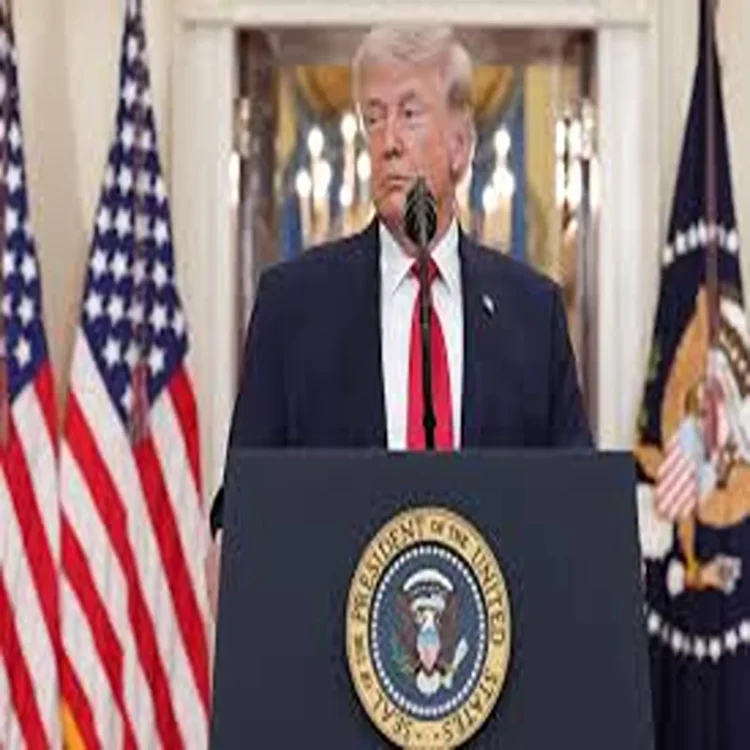
CollegeSports – US President Donald Trump has signed a new executive order intended to bring greater clarity and balance to the country’s college sports system. The move comes as universities and governing bodies face increasing financial strain and legal disputes that officials say are destabilizing the framework of collegiate athletics.
Push for Stronger Rules and Oversight
The directive instructs federal agencies to tighten enforcement of existing regulations related to athlete transfers, eligibility standards, and compensation practices. Authorities have been asked to examine whether institutions that fail to comply with these rules could risk losing access to federal funding, including grants and contracts.
In addition, the administration has called for the development of uniform national guidelines. These proposed standards include clearly defined eligibility limits, more structured transfer policies, and a fixed five-year window during which student-athletes can compete. The aim is to reduce inconsistencies that currently exist across different states and institutions.
Focus on Athlete Welfare and Fair Compensation
Another key aspect of the order centers on safeguarding the well-being of student-athletes. It emphasizes the need for proper medical support while also addressing concerns around financial arrangements in college sports.
The administration has proposed measures to regulate revenue-sharing models and prevent what it describes as inappropriate financial practices. Specifically, it seeks to prohibit pay-for-play arrangements facilitated by third-party groups or collectives, which have become increasingly common in recent years.
Expanding Data Collection and Enforcement
To improve transparency and compliance, the order directs the General Services Administration and the Department of Education to enhance data collection across collegiate athletics programs. This information is expected to help regulators monitor trends and identify potential violations more effectively.
Meanwhile, enforcement responsibilities have been assigned to agencies such as the Federal Trade Commission and the Attorney General’s office. These bodies are expected to take action in cases where rules are not followed, ensuring that institutions adhere to the updated framework.
Concerns Over Financial Imbalance
Officials in Washington have expressed growing concern about what they describe as a “financial arms race” within college sports. Legal challenges and varying state laws on athlete compensation have contributed to rising competition among institutions, often leading to increased spending.
According to the administration, this trend risks concentrating resources in high-revenue sports like football and basketball. Smaller programs, including women’s sports and Olympic disciplines, may struggle to compete for funding under the current system.
The executive order highlights that these financial pressures could eventually weaken the broader structure of college athletics. It warns that continued imbalance might divert resources away from less prominent sports and place additional strain on universities.
Economic and Cultural Significance
College athletics play a major role in the United States, supporting more than 500,000 student-athletes and providing billions of dollars in scholarships each year. Beyond economics, officials emphasize the cultural importance of these programs, which contribute to community identity and national sporting success.
The White House noted that collegiate sports have historically helped develop both athletic talent and leadership skills, while also contributing to the country’s performance in international competitions.
Call for Congressional Action
The order also includes a direct appeal to Congress to take legislative steps that would reinforce the proposed changes. Officials argue that delays could worsen the instability currently affecting universities and athletic programs nationwide.
By urging lawmakers to act quickly, the administration aims to establish a more consistent and legally secure environment for college sports. The broader goal is to create a system that balances fairness, financial sustainability, and athlete welfare.