
Biotechnology – China Accelerates Strategic Push in Global Biotech Race
Biotechnology – China is rapidly strengthening its position in the biotechnology sector, with a new assessment indicating that the country is advancing key policies at a pace that has raised concerns among policymakers in the United States. The findings suggest that Beijing has made biotechnology a central component of its long-term development strategy, while Washington is still working to establish a unified national framework for the industry.
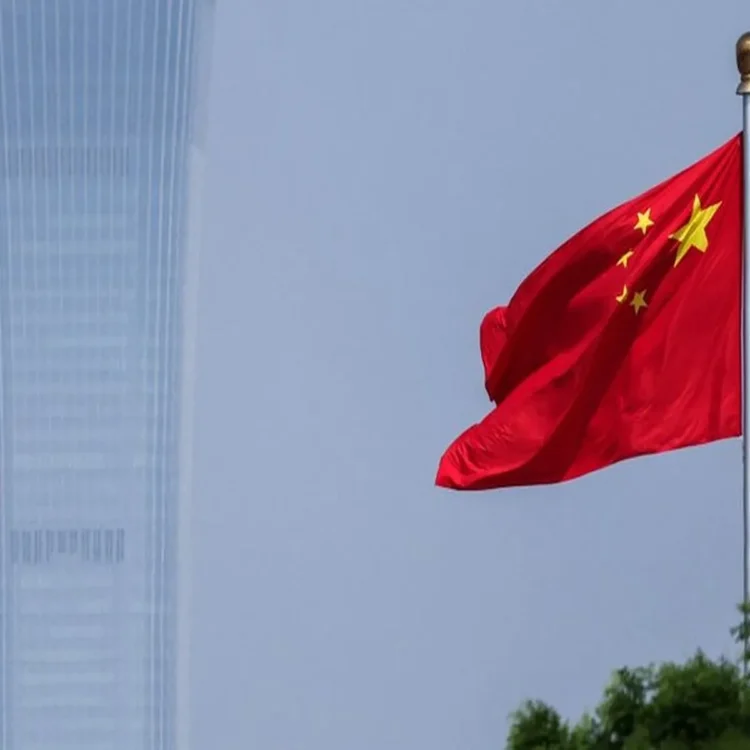
China Expands Biotechnology Through Coordinated National Planning
A recent analysis published by the National Security Commission on Emerging Biotechnology (NSCEB) stated that China has made significant progress across several critical areas of biotechnology development. These include government strategy, regulatory reforms, industrial infrastructure, investment support, and biological data management.
According to the report, Chinese authorities have translated policy goals into large-scale implementation measures more quickly than their American counterparts. The commission noted that biotechnology has remained a national priority in China for nearly two decades and continues to receive strong government backing.
Biotechnology Included Among Key Strategic Industries
China’s latest Five-Year Plan places biotechnology among the country’s most important future industries. Areas such as biomedicine, pharmaceutical innovation, biomanufacturing, and brain-computer interface technologies have been identified as strategic priorities. These sectors are being developed alongside other advanced technologies, including artificial intelligence and quantum computing.
The report highlighted that the United States currently does not have a comprehensive national biotechnology strategy. Although lawmakers from both major political parties introduced legislation in 2025 aimed at improving federal coordination, a nationwide framework has yet to be fully established.
Regulatory Reforms Help Speed Up Development
The commission also pointed to China’s regulatory system as an important factor behind its progress. Reforms introduced over the last decade have streamlined approval procedures for drugs and medical products, helping researchers move projects forward more efficiently.
As a result, China became the global leader in launching new clinical trials by 2024, the report said. It also noted that several pharmaceutical companies headquartered in the United States have chosen China as a location for conducting early-stage human testing of new treatments.
Manufacturing Capacity Continues to Grow
Differences in manufacturing infrastructure were also identified as a growing competitive factor. While the United States has allocated funding through the BioMADE initiative to support bioindustrial production facilities, the report stated that none of the planned sites are currently operating.
China, meanwhile, announced partnerships involving dozens of companies in 2025 to establish biomanufacturing pilot facilities across the country. These projects are expected to strengthen production capabilities and support future industry expansion.
Investment and Data Strategy Seen as Key Advantages
The analysis further emphasized China’s use of government-supported investment programs to promote strategic technologies. In addition, biological data is being treated as a valuable national asset that can support artificial intelligence development and accelerate scientific research.
NSCEB Chair Senator Todd Young said the United States has acted on many of the commission’s recommendations over the past year, but several major proposals remain unfinished. He stressed the importance of advancing regulatory reforms and expanding manufacturing infrastructure to maintain competitiveness.
National Security Concerns Remain Central
Beyond economic and healthcare benefits, the report warned that biotechnology has growing national security implications. It stated that China is exploring ways to incorporate biotechnology into future military capabilities, a development that could influence the balance of technological power.
Biotechnology has increasingly become a major area of competition between the United States and China. Alongside semiconductors, artificial intelligence, and quantum technologies, the sector is widely viewed as essential for future economic growth, scientific advancement, healthcare innovation, and national security.
The NSCEB, established by the US Congress, continues to evaluate the security implications of emerging biotechnology and develop policy recommendations designed to strengthen America’s long-term competitiveness in this rapidly evolving field.