
Aviation – FAA Examines Unprofessional Radio Exchange at Washington Airport
Aviation – Pilots operating a flight near Ronald Reagan Washington National Airport are under scrutiny after an unusual and unprofessional exchange was recorded on an air traffic control frequency.
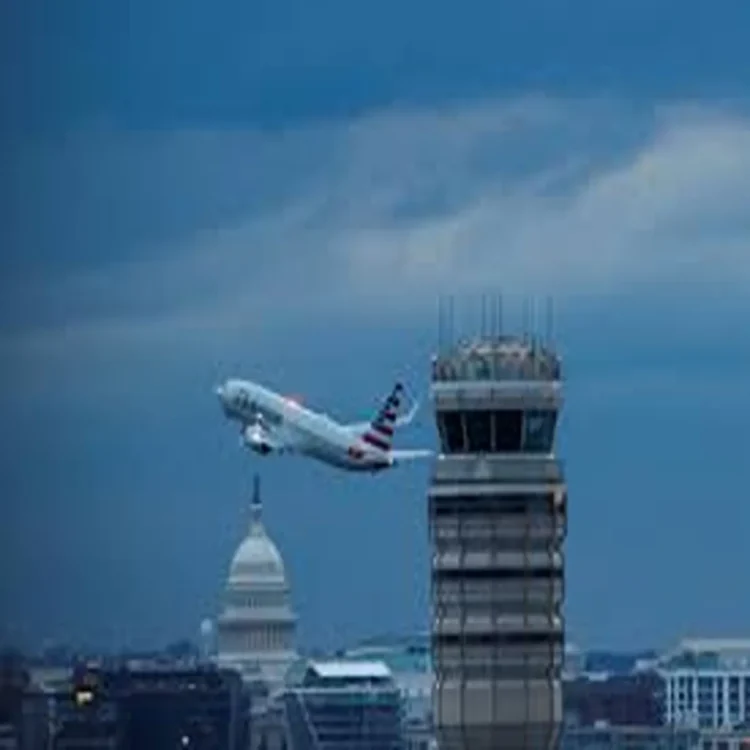
Incident Recorded on Air Traffic Frequency
An unexpected exchange between pilots and air traffic control personnel has drawn attention after audio surfaced online. The recording, reportedly captured on April 12, features pilots making animal-like sounds, including repeated “meow” noises, over an active communication channel at Ronald Reagan Washington National Airport. The audio later circulated through a third-party platform, bringing the matter into public view.
Such communication channels are typically reserved for essential operational dialogue, making the nature of this exchange highly irregular. Aviation experts note that clear and professional communication is critical, especially in controlled and high-traffic airspace.
Air Traffic Controller Responds Firmly
During the exchange, an air traffic controller can be heard addressing the pilots directly, urging them to maintain professionalism. The controller’s tone reflected concern over the inappropriate use of the frequency, which is meant for safety-related coordination.
Instead of immediately correcting their behavior, the pilots reportedly responded with additional non-verbal sounds, including both meowing and barking noises. This response further escalated the situation and underscored the seriousness of the lapse in conduct.
The controller also made a remark suggesting the pilots were still operating regional jets, a reference often associated with early-stage airline careers. While such comments are not standard, they highlighted frustration over the situation.
FAA Launches Investigation
The Federal Aviation Administration (FAA) has confirmed that it is aware of the incident and has initiated a review. According to the agency, strict communication protocols are in place for pilots, particularly when operating below 10,000 feet. At such altitudes, regulations prohibit non-essential conversations to ensure that attention remains focused on flight safety.
Although the audio originated from a third-party source, the FAA stated it would verify the authenticity of the recording before proceeding further. Once confirmed, the agency will assess whether any aviation rules were violated.
Importance of Communication Discipline
In aviation, communication clarity is not just a matter of professionalism but a key component of operational safety. Pilots and controllers rely on precise, concise exchanges to manage aircraft movement, prevent conflicts, and respond to unexpected situations.
Even minor distractions or misuse of communication channels can introduce risks, particularly in busy airspace like Washington National Airport. Industry guidelines emphasize that all transmissions should be purposeful and directly related to flight operations.
Broader Implications for Pilot Conduct
While incidents of this nature are rare, they raise concerns about adherence to professional standards in the cockpit. Airlines and regulatory bodies typically enforce strict training and behavioral expectations to ensure that pilots maintain discipline at all times.
If violations are confirmed, consequences can range from warnings to more serious disciplinary actions, depending on the severity of the breach. The FAA’s investigation will likely focus not only on the actions themselves but also on whether they posed any potential risk to safety.
Awaiting Official Findings
For now, the investigation remains ongoing, and no formal conclusions have been announced. The FAA has reiterated its commitment to reviewing all instances where safety protocols may have been compromised.
As the aviation community awaits further details, the incident serves as a reminder of the importance of maintaining professionalism in every aspect of flight operations, including communication