
AIInfrastructure – US Lawmakers Raise Concerns Over China-Linked Influence Efforts
AIInfrastructure – A senior bipartisan leader in the United States Congress has expressed concern over alleged attempts by China-linked groups to influence public conversations surrounding artificial intelligence infrastructure and trade policies. The remarks came after OpenAI revealed that certain accounts connected to China had reportedly used ChatGPT to create content designed to shape online discussions related to AI data centers and American tariff policies.
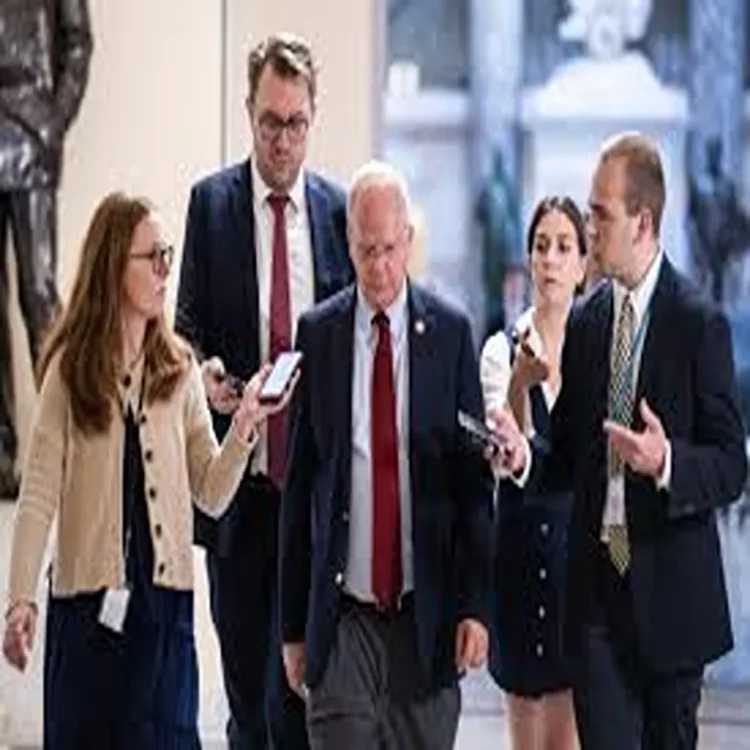
Congressional Concerns Over Foreign Influence
Rep. John Moolenaar, who leads the House Select Committee focused on issues involving the Chinese Communist Party, said the United States must remain alert to efforts aimed at affecting domestic policy debates. He noted that discussions about data centers and technology infrastructure are important public matters and should remain open to transparent debate among Americans.
According to Moolenaar, foreign actors may attempt to take advantage of the country’s democratic environment by inserting divisive narratives into ongoing discussions. He stated that while citizens deserve clear information regarding large-scale infrastructure projects, external influence campaigns could seek to deepen disagreements and confusion.
OpenAI Identifies Suspicious Activity
Details of the alleged activity were outlined in OpenAI’s threat assessment released in June 2026. The company reported that it removed two groups of ChatGPT accounts believed to be operating from China after investigators linked them to coordinated influence efforts.
OpenAI said the accounts were involved in creating content intended to impact discussions concerning artificial intelligence development, technology competition, and related policy decisions in the United States.
Data Center Debate Targeted Online
One of the identified campaigns focused on concerns surrounding AI data centers. OpenAI referred to this operation as the “Data Centre Bandwagon” campaign.
According to the report, participants generated social media posts and visual content suggesting that the rapid construction of AI-related facilities was contributing to higher electricity costs for American households. The company stated that the material appeared to be distributed through accounts that did not represent genuine users and was designed to amplify public worries about energy prices.
Tariff Discussions Also Featured
A separate operation, described as the “Tech and Tariffs” campaign, reportedly centered on trade policies and technology leadership. OpenAI said the campaign produced online comments and political illustrations criticizing US tariffs while portraying American policymakers as pursuing dominance in advanced technologies.
The company further noted that operators behind the campaign instructed the system to focus exclusively on President Donald Trump and avoid references to Chinese President Xi Jinping when generating certain materials.
False Claims About ChatGPT Data
The investigation also found that some of the networks involved circulated inaccurate allegations regarding the security of ChatGPT user information. OpenAI rejected those claims and stated that the accusations were completely unfounded.
Company researchers said the narratives appeared intended to undermine trust in AI platforms while contributing to broader political discussions taking place online.
Limited Reach but Continuing Concerns
Despite the activity, OpenAI concluded that the campaigns achieved little measurable success. The company reported that the content attracted virtually no genuine interaction from real users and showed no indication of significant influence beyond the networks responsible for posting it.
However, OpenAI emphasized that the operations remain noteworthy because they tested messages linking technology policy to economic concerns. Researchers said the campaigns attempted to connect issues such as energy costs, artificial intelligence development, and international technology competition with broader public anxieties.
Growing US-China Technology Rivalry
The report arrives at a time when competition between the United States and China is intensifying across the artificial intelligence sector. Both countries continue investing heavily in computing infrastructure, advanced AI systems, and emerging technologies that are increasingly viewed as vital to future economic strength and national security.
Moolenaar said congressional investigators will continue monitoring potential foreign influence efforts connected to debates over data center expansion and other technology-related issues in the United States.