
AI Regulation – US Senators Push for Stronger Safeguards Amid China Tech Concerns
AI Regulation – The United States is facing increasing pressure to strengthen protections around artificial intelligence as lawmakers from both major political parties warn that the country could fall behind China in one of the world’s most important technological races. During a recent Senate Banking Committee hearing, legislators discussed the growing influence of AI on national security, economic stability, and the future workforce.
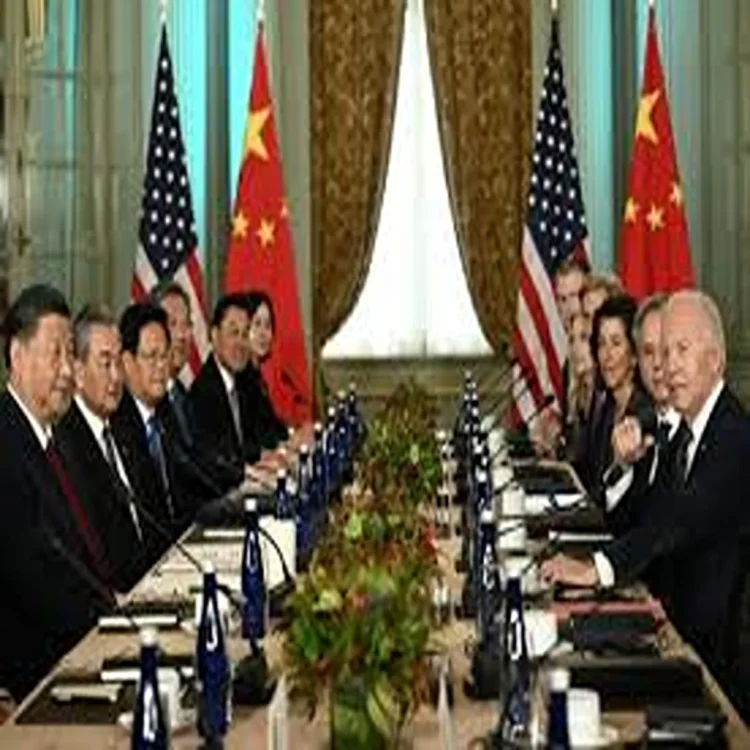
Lawmakers Stress Need for Strategic AI Leadership
Committee Chairman Tim Scott emphasized the importance of developing policies that allow artificial intelligence to support economic growth while ensuring that foreign rivals do not gain an advantage. He described AI as a transformative technology capable of lowering business costs, improving financial services, supporting entrepreneurs, and creating employment opportunities.
At the same time, Scott cautioned that the United States must remain vigilant in protecting its technological leadership. He argued that allowing competing nations to surpass America in AI development could create long-term economic and security challenges.
Rare Bipartisan Agreement Emerges
Although political divisions often dominate debates in Washington, the hearing revealed a notable area of agreement between Democrats and Republicans. Members from both parties expressed concerns about China’s access to advanced American technology, particularly the powerful computer chips required for sophisticated AI systems.
Senator Elizabeth Warren criticized current government approaches to AI oversight but also highlighted concerns about the continued movement of advanced semiconductor technology toward China. According to Warren, AI has the potential to deliver significant benefits, but insufficient oversight could deepen economic inequalities and create additional risks for American workers and businesses.
Concerns Over Advanced Chip Exports
A major topic of discussion centered on whether existing export restrictions are strong enough to prevent advanced AI hardware from reaching China. Lawmakers questioned whether current controls can effectively stop sensitive technology from being transferred either directly or through intermediary countries.
David Feith, a senior fellow at the Hudson Institute and former National Security Council official, told senators that stronger safeguards are necessary. He warned that access to advanced AI chips could support China’s military modernization efforts while also helping Chinese companies challenge American firms in international markets.
When questioned about the seriousness of the issue, Feith indicated that policymakers should view the possibility of advanced chips reaching China as a significant concern requiring immediate attention.
New Legislative Measures Gain Support
Several senators used the hearing to promote bipartisan proposals designed to tighten restrictions on the export of advanced semiconductors and chip-manufacturing equipment. Among the measures discussed were the AI Overwatch Act, the MATCH Act, and the Chip Security Act.
Supporters argue that these initiatives would strengthen oversight and help prevent sensitive technologies from being used in ways that could threaten American interests. Feith voiced support for the proposed legislation and praised lawmakers for working together across party lines on the issue.
Economic Risks and Opportunities of AI Expansion
Beyond national security, the hearing also explored the broader economic effects of rapid AI investment. Sarah Myers West, co-executive director of the AI Now Institute, warned that large-scale borrowing tied to AI infrastructure projects could expose the wider economy to financial risks if the sector experiences a major slowdown.
She noted that even individuals who have not directly invested in AI-related businesses could feel the impact through retirement savings, pension funds, employment opportunities, and access to credit. According to West, policymakers should carefully monitor the financial consequences of the industry’s rapid growth.
Balancing Innovation With Security
Supporters of artificial intelligence highlighted its potential to increase productivity, improve healthcare services, strengthen cybersecurity systems, and support economic expansion. Some Republican lawmakers argued that overly restrictive regulations on American companies could unintentionally benefit Chinese competitors by limiting domestic innovation.
The discussion comes at a time when the United States and China are competing intensely for leadership in artificial intelligence, semiconductor production, and other advanced technologies. As both nations invest heavily in these sectors, policymakers continue searching for ways to encourage innovation while protecting national and economic security.