
Afghanistan – Border Conflict Deepens After Kabul Claims Airstrikes on ISIS Sites in Pakistan
Afghanistan – Relations between Afghanistan and Pakistan have entered another tense phase after Afghan authorities announced that their air force carried out strikes on alleged ISIS positions located inside Pakistan. The announcement came only two days after Kabul accused Pakistani forces of conducting military operations that reportedly caused dozens of civilian deaths in Afghan territory. While Afghanistan says the latest operation was aimed solely at militant facilities involved in planning attacks, Pakistan has not officially commented on the claim. The exchange reflects the continuing instability along the shared border, where military actions and diplomatic disagreements have repeatedly strained bilateral ties.
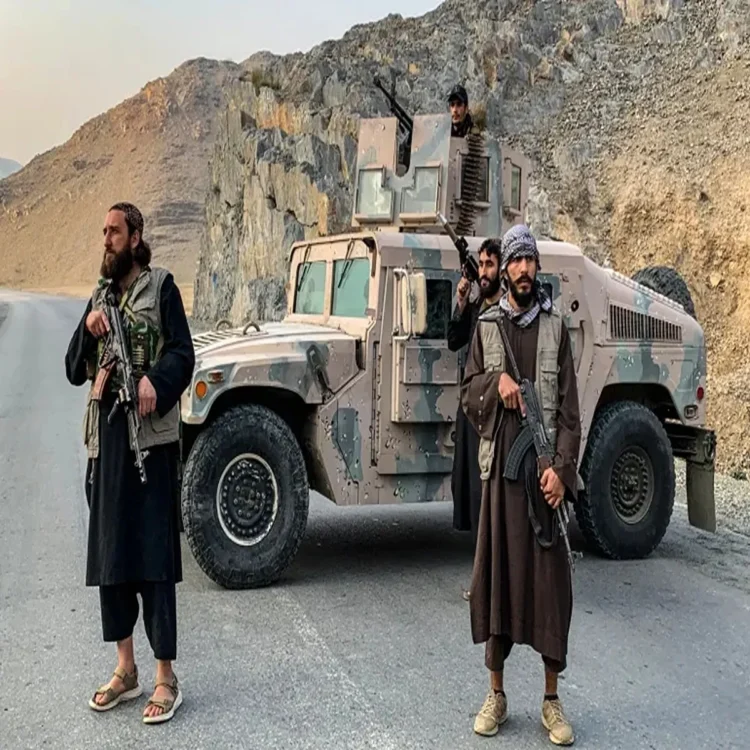
Afghanistan Reports Military Action Against ISIS Facilities
Afghan officials stated that Tuesday night’s air operation focused on locations believed to be used by ISIS militants operating from Pakistan. According to Kabul, one of the main targets was an alleged operational center in the Saranan area of Pasheen district in Balochistan province. Authorities claimed the site served as a coordination hub for planning attacks against Afghanistan. Additional locations said to be linked to ISIS activities in Pakistan’s Khyber Pakhtunkhwa province were also reportedly targeted during the operation.
Operation Follows Pakistan’s Border Offensive
The Afghan announcement came shortly after Pakistan carried out security operations along the border. Afghan authorities alleged that those operations resulted in the deaths of at least 36 civilians, while more than 160 others sustained injuries. Kabul has described the casualties as evidence that residential areas were affected during the military action.
Pakistan has presented a different account of the operation. Information Minister Attaullah Tarar said security forces launched a ground offensive before carrying out strikes against what he described as militant hideouts and safe havens. According to Islamabad, 29 militants were killed during the mission, which was launched in response to a series of attacks inside Pakistan. The contrasting versions from both governments continue to highlight the long-running disagreement over cross-border security operations.
Kabul Condemns Civilian Casualties
Afghanistan’s Taliban-led administration strongly criticized Pakistan’s military actions, describing them as an unjustified act of aggression. Deputy government spokesperson Hamdullah Fitrat alleged that Pakistani forces initially struck a residential building in the Chamkani district of Paktia province, killing an elderly man and a child while injuring several members of the same family.
Fitrat further claimed that when local residents gathered to assist victims trapped beneath the debris, another strike hit the area. According to Afghan officials, the second attack resulted in the deaths of 28 villagers and left 158 others injured. Pakistan has not publicly responded to these specific allegations.
Diplomatic Protest Adds to Rising Tensions
The military confrontation has also expanded into the diplomatic arena. Afghanistan summoned Pakistan’s Charge d’Affaires in Kabul to formally register what it described as a strong protest against the reported cross-border strikes.
Afghanistan’s Ministry of Foreign Affairs said the Pakistani diplomat was informed of Kabul’s objections regarding what it considers a violation of Afghan airspace and attacks on civilian homes in the provinces of Kunar, Paktia, and Paktika. The ministry maintained that such actions undermine regional security and increase tensions between the neighboring countries.
Border Dispute Shows No Sign of Easing
The latest developments follow another series of Pakistani air operations inside Afghanistan less than three weeks earlier, when Islamabad said it had targeted militant positions. Those strikes interrupted a brief period of reduced violence after both countries had experienced weeks of heightened military activity.
Over recent months, retaliatory operations by both sides have contributed to growing instability along the frontier. Since February, repeated exchanges have reportedly claimed hundreds of lives, while diplomatic initiatives have yet to deliver a lasting ceasefire or an effective framework to prevent future military escalation. With both governments continuing to accuse each other of supporting or sheltering armed groups, prospects for immediate de-escalation remain uncertain.