
Trade Agreement – UK Trade Envoy Commends Piyush Goyal’s Negotiation Skills
Trade Agreement – The United Kingdom’s Trade Commissioner for South Asia, Harjinder Kang, has praised Union Commerce and Industry Minister Piyush Goyal for his role in finalising the India-UK Free Trade Agreement, describing him as one of the finest trade negotiators he has worked with. Kang made the remarks while reflecting on the successful conclusion of the long-awaited agreement, which officially comes into force on July 15.
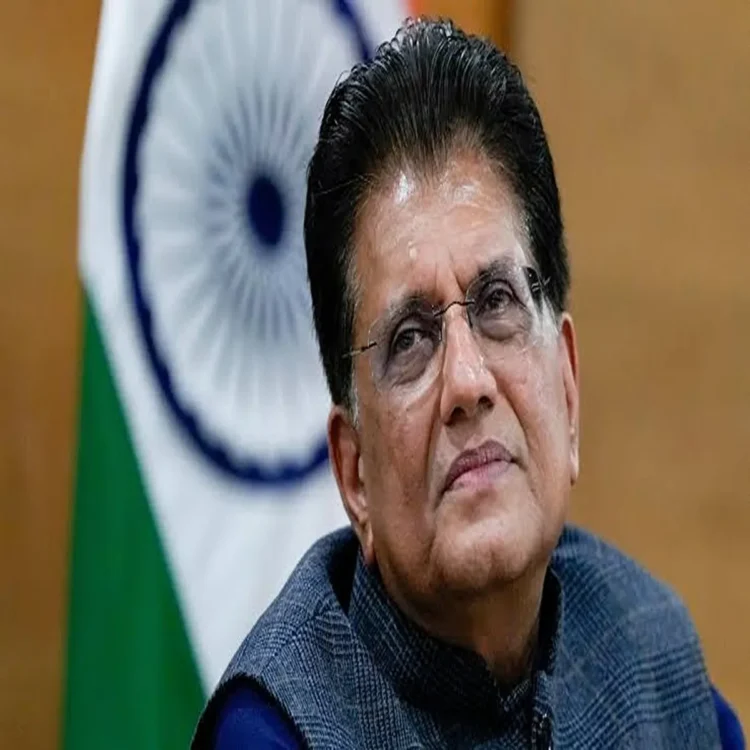
UK Official Highlights Years of Negotiation
Speaking in an interview with ANI, Kang, who previously served as the UK’s Chief Negotiator for the India-UK Free Trade Agreement, said the negotiations required years of effort and close engagement between both sides. He noted that professional relationships built during the discussions eventually developed into strong personal friendships.
According to Kang, Piyush Goyal successfully managed several international trade negotiations at the same time while continuing to lead discussions with the United Kingdom. He credited the minister for maintaining focus throughout the process and said their regular interactions after the agreement reflected the positive relationship built during the negotiations.
Recognition at UK-India Awards Event
Kang also recalled a recent moment during the Annual UK-India Awards 2026 held in London, where Minister Goyal publicly acknowledged his contribution to the trade discussions. He said the minister invited him to stand before the audience and recognised his role in advancing the agreement.
The UK Trade Commissioner added that Goyal had remained a consistent figure throughout the negotiations, providing continuity from the beginning of the process until the final agreement was completed.
Negotiations Required Mutual Understanding
Reflecting on his experience, Kang said that although his Indian heritage gave him a degree of cultural familiarity, the discussions proved more demanding than he had initially expected. He explained that the negotiation process followed a reciprocal approach, where both countries carefully balanced concessions with expected benefits.
Kang observed that once this framework was understood, discussions became more structured and productive. He also noted that cultural awareness helped him communicate more effectively with Indian counterparts during the talks.
Free Trade Agreement to Boost Bilateral Commerce
The India-UK Free Trade Agreement, officially called the Comprehensive Economic and Trade Agreement (CETA), was signed in London during Prime Minister Narendra Modi’s visit to the United Kingdom in July 2025. The agreement is designed to strengthen commercial ties between the two countries and is projected to increase bilateral trade by approximately £25.5 billion each year.
The pact introduces significant tariff reductions across a wide range of products. Indian exporters are expected to gain stronger access to the British market, while several British goods will benefit from reduced import duties in India. Industries including textiles, automobiles and whisky are among those expected to see substantial advantages under the new framework.
Greater Market Access for Indian Exporters
According to the Ministry of Commerce and Industry, the agreement will provide duty-free access for 90.2 percent of India’s exports to the UK, creating fresh opportunities for Indian businesses across multiple sectors. The ministry believes the expanded market access will improve the competitiveness of Indian products while supporting higher export growth.
Officials from both countries have expressed confidence that the agreement will encourage deeper economic cooperation, attract new investment and strengthen long-term business partnerships. As the trade pact takes effect, businesses on both sides are expected to benefit from lower trade barriers and improved commercial opportunities.