
Polyester Yarn – Higher Crude Costs Expected to Pressure Industry Margins This Fiscal
Polyester Yarn – The domestic polyester yarn industry is likely to witness a challenging financial year as rising crude oil prices increase production costs and weaken profitability, according to a recent assessment by Crisil Ratings. Although manufacturers are expected to increase product prices to offset a part of the higher expenses, the hikes are likely to remain limited in order to avoid hurting demand. As a result, overall sales volumes are projected to decline by around 2-3 per cent during the current fiscal.
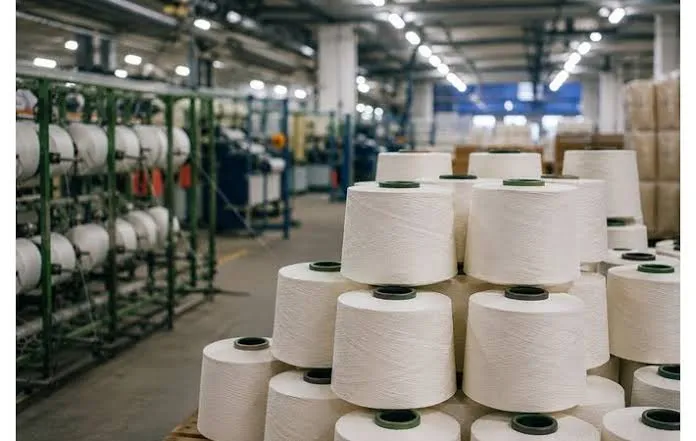
Crude-Linked Raw Material Costs Drive Pressure
Crisil Ratings expects average crude oil prices to remain in the range of USD 80-85 per barrel this fiscal, roughly 15 per cent higher than the previous year. Since polyester yarn production depends heavily on crude-derived raw materials, the increase is expected to directly raise manufacturing costs across the sector.
However, producers are unlikely to transfer the entire cost burden to customers. Instead, companies are expected to adopt a cautious pricing strategy that protects demand in the downstream textile market. Under this approach, average product realisations are likely to improve by only 6-7 per cent despite the sharp rise in input costs.
Profitability Likely to Weaken
The credit rating agency estimates that operating margins for polyester yarn manufacturers could fall to around 5.0-5.5 per cent this fiscal from nearly 6.5 per cent in the previous year. The projected decline of about 100-150 basis points reflects the industry’s decision to absorb part of the higher raw material expenses rather than passing them entirely to buyers.
The analysis is based on a study of 20 companies that together account for nearly 40 per cent of the sector’s total revenue, offering a broad picture of current market conditions.
Demand Hit by West Asia Disruptions
According to Shounak Chakravarty, Director at Crisil Ratings, disruptions linked to the conflict in West Asia and subdued demand from the textile industry significantly affected polyester consumption during the first quarter of the fiscal year. The sector experienced an estimated 20 per cent decline in volumes during the period.
To recover from the sharp slowdown, manufacturers are expected to maintain a balanced pricing approach over the remaining months of the fiscal year. This strategy is intended to support demand recovery while limiting the overall annual volume decline to around 2-3 per cent.
Cash Flows Supported by Lower Inventory
Even though profitability is expected to weaken, Crisil believes companies will be able to maintain relatively stable operating cash flows through better working capital management.
Lower earnings are projected to reduce cash accruals by around 12-13 per cent. However, manufacturers are expected to cut inventory holdings by nearly 25 days, reducing average inventory levels to about 30 days. This move is likely to lower working capital requirements and partially offset the impact of weaker profits.
The agency also noted that capital expenditure is expected to remain moderate, with most investments focused on routine modernisation and the completion of ongoing expansion projects. As a result, companies are not expected to take on significant additional debt during the fiscal year.
Credit Profiles Expected to Stay Stable
Despite softer operating performance, Crisil expects the industry’s overall credit quality to remain supported by lower working capital needs and restrained capital spending.
Interest coverage is projected to ease to around 3.5-3.6 times, compared with approximately 4.3 times in the previous fiscal. Similarly, the ratio of net cash accruals to total debt is expected to decline to about 22 per cent from nearly 26 per cent a year earlier.
Key Factors to Watch
Looking ahead, Crisil Ratings believes the industry’s performance will largely depend on the movement of crude-linked raw material prices and manufacturers’ ability to strike the right balance between price increases and demand stability. Any significant fluctuation in global crude prices or further weakness in the textile sector could continue to influence production volumes and profitability throughout the remainder of the fiscal year.