
OilPrices – Rising Fuel and Metal Costs Push India’s Wholesale Inflation Higher
OilPrices – India’s wholesale inflation recorded a steep increase in April 2026 as higher global crude oil prices and rising metal costs added pressure across several sectors. Economists at Bank of Baroda warned that continued geopolitical tensions involving the United States and Iran could keep inflation elevated in the coming months, particularly if disruptions around the Strait of Hormuz continue to affect global supply chains.
India’s Wholesale Price Index (WPI) inflation climbed to 8.3 per cent in April 2026, marking the highest reading since October 2022. The figure stood significantly above the 0.9 per cent recorded during the same month last year and also exceeded the 3.9 per cent seen in March 2026. According to the bank’s research division, the sharp increase was mainly driven by higher fuel and manufacturing costs, while food prices remained comparatively stable and offered limited relief.
Fuel Prices Drive Inflation Surge
The fuel and power segment witnessed the strongest rise, with inflation touching 24.7 per cent in April 2026. This was the highest level seen in nearly three and a half years. In comparison, the sector had reported a contraction of 3.8 per cent a year earlier and only 1.1 per cent inflation in March this year.
Mineral oils emerged as the primary contributor to the increase. Prices in this category rose by 39.5 per cent year-on-year after declining 5.6 per cent during the previous year. Aviation turbine fuel recorded one of the steepest jumps, crossing a 100 per cent annual increase. Other petroleum products, including naphtha, petrol, furnace oil, kerosene and diesel, also registered strong gains.
The report linked the rise to a sharp increase in international crude oil prices, which surged by more than 54 per cent in April 2026. The weakening Indian rupee further increased import expenses, while uncertainty in the Gulf region added to supply concerns.
Manufacturing Sector Also Faces Cost Pressure
Inflation in manufactured products rose to 4.6 per cent, the highest since September 2022. The figure was notably above the 2.6 per cent recorded in April 2025 and higher than the 3.4 per cent seen in March 2026.
Out of 22 manufacturing sub-groups, 13 reported faster price growth. The biggest increases were observed in basic metals, machinery, textiles, pharmaceuticals, chemicals and engineering equipment.
Aluminium prices rose sharply by 19.2 per cent compared to the same period last year, while copper prices remained elevated at 15.3 per cent growth. Zinc and lead inflation moderated slightly but continued to remain positive. International commodity markets also reflected similar trends, with global aluminium and copper prices recording strong annual gains.
As a result of these combined pressures, core WPI inflation, which excludes food and fuel components, climbed to 5 per cent in April 2026. This marked a 43-month high and reflected broad-based price increases across industrial sectors.
Food Inflation Offers Limited Relief
Despite the overall rise in wholesale inflation, food prices remained relatively moderate during the month. Food inflation eased to 2.3 per cent from 3.3 per cent recorded in April last year.
The decline was mainly supported by softer foodgrain prices. Cereals showed slower inflation growth, while pulses continued to remain in deflation territory. Wheat prices also recorded a significant slowdown, easing to 0.4 per cent compared to 7.4 per cent during the same period last year.
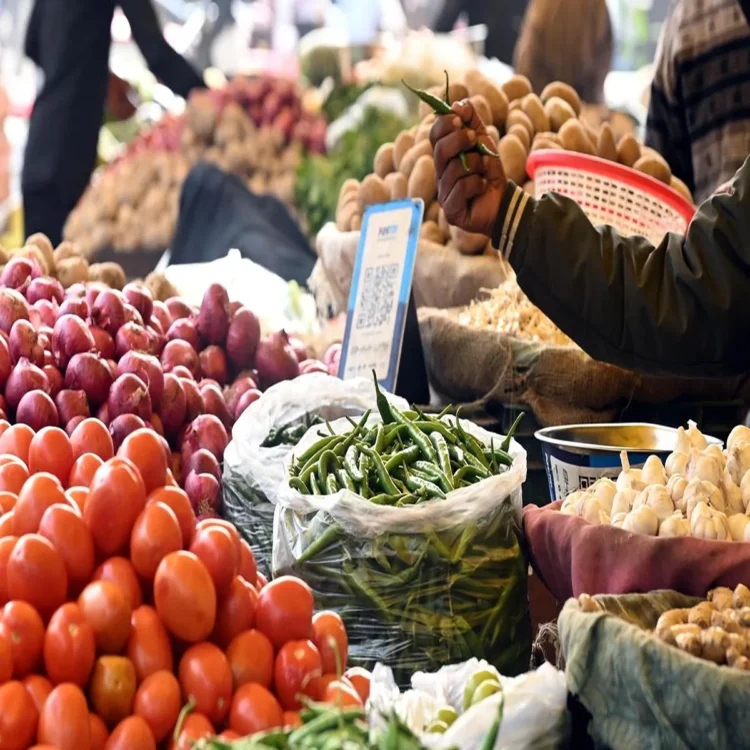
However, some categories witnessed renewed upward pressure. Vegetable prices moved back into positive territory due to base effects and higher prices of tomatoes, ginger, cauliflower and cabbage. Milk prices also increased moderately, while inflation in eggs, meat and fish accelerated sharply compared to last year.
Global Trends May Influence Domestic Markets
The Bank of Baroda report highlighted that international food prices are beginning to show signs of recovery even though domestic grain inflation remains weak. Global wheat prices increased by 12.6 per cent in April 2026, while the pace of decline in rice prices slowed considerably.
Analysts believe that if geopolitical tensions continue and commodity prices remain elevated, India could face additional inflationary pressure in the coming months. The progress of the monsoon season and currency movements are also expected to play an important role in determining future price trends.