
Logistics – India’s Key Warehousing Hubs Set to Dominate Market Growth
Logistics – India’s industrial and warehousing sector is witnessing strong momentum as major logistics clusters continue to attract large-scale investments and leasing activity across the country.
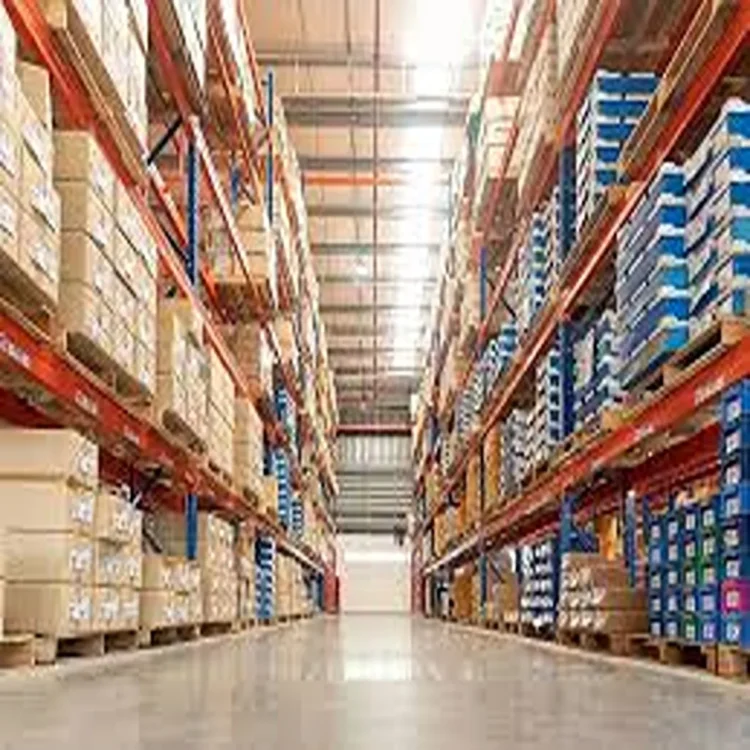
India’s industrial real estate market is expected to remain heavily concentrated around 13 major logistics and warehousing clusters that are projected to account for nearly 70 to 80 per cent of overall market activity in the coming years. The assessment comes amid sustained growth in Grade A industrial spaces and increasing demand from logistics, manufacturing and e-commerce companies.
According to a recent industry analysis by Colliers India, the country’s industrial and warehousing segment has emerged as one of the strongest-performing real estate categories in recent years. The total Grade A warehousing inventory across India has now reached nearly 300 million square feet, almost double the stock available in 2021.
Major Clusters Continue to Lead Activity
The report identified 13 high-performing clusters from a larger network of 40 industrial zones spread across India. These locations were selected based on strong leasing demand and fresh supply activity, with each cluster recording more than 4 million square feet of cumulative leasing and new developments since 2021.
These industrial hubs are spread across key economic and consumption centres in the country. Chennai leads with three major clusters, while Delhi NCR, Bengaluru and Pune each host two significant hubs. Mumbai, Kolkata, Ahmedabad and Hyderabad contribute one cluster each to the high-activity category.
Industry experts believe the concentration of warehousing demand in these locations reflects changing supply chain strategies and rising preference for organised logistics infrastructure among domestic and global companies operating in India.
Rising Demand for Grade A Warehousing Space
Vijay Ganesh, Managing Director of Industrial and Logistics Services at Colliers India, said the identified clusters have collectively contributed almost three-fourths of the country’s Grade A warehousing demand and fresh supply over the past five years.
The combined leasing and development activity across these hubs has reached nearly 130 million square feet during the period, highlighting the scale of industrial expansion taking place in the country.
Market analysts expect these clusters to continue attracting a major share of future industrial investments due to their connectivity, access to large consumer markets and improving transport infrastructure. At the same time, newer industrial corridors and emerging warehousing destinations are also gradually gaining attention as businesses diversify their supply chain networks.
Logistics and E-Commerce Fuel Market Expansion
Third-party logistics companies remain the biggest contributors to warehouse demand in India. The sector has consistently expanded operations due to rising transportation needs, faster delivery expectations and growth in organised retail networks.
Engineering firms and e-commerce companies have also played a major role in driving leasing activity. Together, these three segments have contributed nearly two-thirds of the total Grade A warehousing space absorbed in the country over the last five years.
The continued expansion of online retail platforms, manufacturing activity and distribution networks is expected to sustain demand for large modern warehouses equipped with advanced storage and automation capabilities.
Investor Interest Expands Beyond Established Markets
Vimal Nadar, National Director and Head of Research at Colliers India, noted that institutional investment in high-quality industrial assets is likely to increase further across established logistics hubs.
He also indicated that investors are gradually exploring emerging industrial markets beyond traditional metropolitan centres as infrastructure development improves in several regions.
Experts believe ongoing government infrastructure projects, dedicated freight corridors and industrial policy reforms are strengthening India’s position as a major logistics and manufacturing destination in Asia. This is expected to create additional opportunities for developers, investors and occupiers in the industrial real estate sector over the next few years.