
Current Account – South Korea Sets New Surplus Record on Strong Chip Exports
Current Account – South Korea recorded its largest-ever monthly current account surplus in May, supported by a sharp increase in semiconductor shipments and strong demand for technology products. Data released by the Bank of Korea on Wednesday showed that the country’s external balance improved significantly from both the previous month and the same period last year.
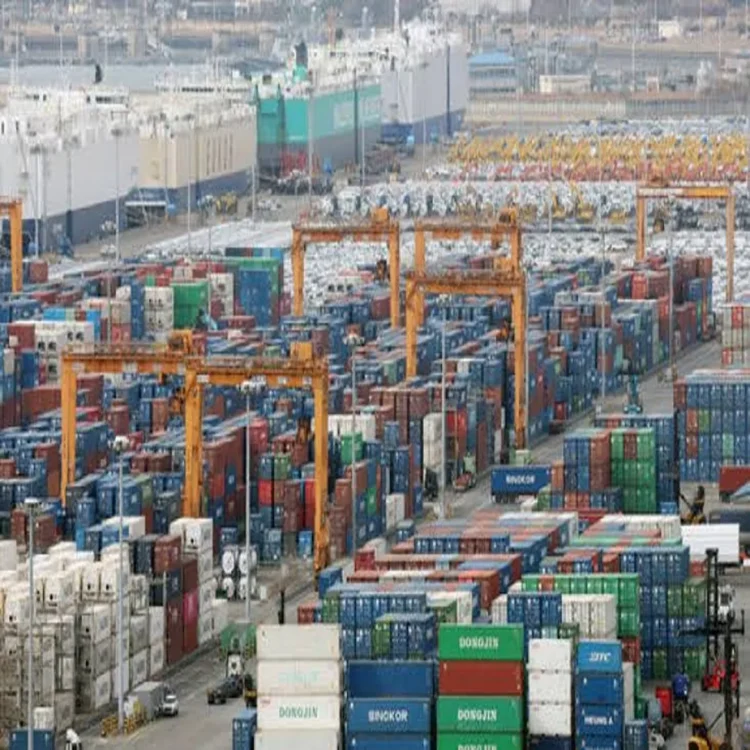
Record surplus driven by export growth
The current account surplus reached $38.61 billion in May, compared with $28.29 billion in April. The figure surpassed the previous monthly record of $37.93 billion, which was set in March.
The result was also far higher than the $9.91 billion surplus reported in May last year. South Korea has now maintained a current account surplus for 37 consecutive months since May 2023, marking its second-longest uninterrupted run of monthly surpluses.
Five-month total rises sharply
During the first five months of the year, South Korea’s cumulative current account surplus stood at $141.28 billion. That was substantially above the $33.9 billion recorded over the same period a year earlier.
A Bank of Korea official said the central bank’s estimate of a $151.5 billion surplus for the first half of 2026 could be exceeded after June’s figures are included. The official added that the full-year current account surplus may rise beyond the earlier projection of $250 billion.
Goods trade posts its strongest result
The goods account generated a surplus of $37.86 billion in May, the highest level on record. Export earnings climbed 62.9 percent from a year earlier to $94.34 billion, while imports increased 22.2 percent to around $56.48 billion.
Technology exports played a central role in the improvement. Overseas sales of information technology products rose 128.9 percent from a year earlier. Semiconductor exports jumped 167.7 percent, while shipments of computer peripherals increased 249.4 percent.
The figures underline the importance of the chip industry to South Korea’s trade performance. Global demand for advanced semiconductors, particularly those used in artificial intelligence systems, data centres and high-performance computing equipment, has helped support export growth.
Services deficit narrows in May
The services account recorded a deficit of $1.09 billion during the month. Although it remained in negative territory, the shortfall narrowed from $2.42 billion in April.
The improvement was linked to a smaller travel-related deficit and lower payments connected to intellectual property. South Korea has regularly reported a services deficit because of spending by residents travelling abroad and payments for overseas technology, licensing and other business services.
Dividend income supports primary account
The primary income account posted a surplus of $2.17 billion in May, aided by higher dividend income from overseas investments. This category includes income earned from foreign assets, such as dividends and interest, as well as wages paid to foreign workers.
The secondary income account, which includes transfers such as remittances and aid-related payments, showed a deficit of $330 million.
The latest data points to continued strength in South Korea’s export sector, particularly in semiconductors and other technology products. However, the country’s external position will remain dependent on global demand, trade conditions and movements in energy and import costs during the rest of the year.