
Handloom – National Handloom Day Highlights India’s Weaving Heritage and Artisan Support
Handloom –National Handloom Day was observed across the country with leaders highlighting the importance of India’s centuries-old weaving tradition and encouraging citizens to support local artisans by incorporating handloom products into their everyday lives. The occasion also served as a reminder of the sector’s historical connection with the country’s freedom movement and its continued contribution to employment, rural development, and cultural preservation.
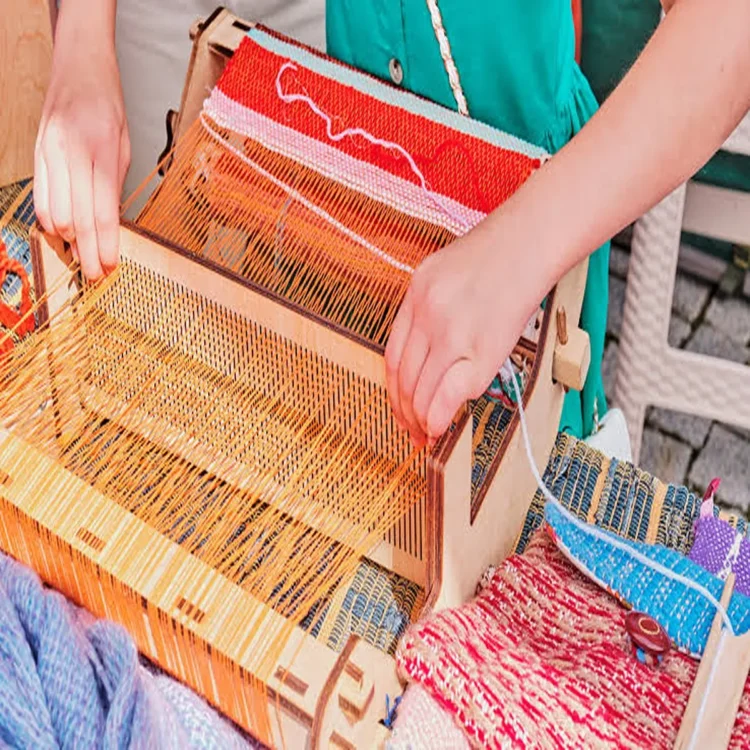
Leaders Highlight Importance of Handloom Tradition
Union Home Minister Amit Shah extended his greetings on National Handloom Day, describing the handloom industry as a vital part of India’s cultural identity and a lasting symbol of the nation’s rich traditions. In a message shared on X, he said the weaving sector played an important role during the freedom movement and continues to represent the country’s diversity through its unique craftsmanship. He also urged people to strengthen the industry by choosing handloom products in their daily lives.
Shah noted that National Handloom Day was introduced under the leadership of Prime Minister Narendra Modi to preserve the country’s traditional weaving practices while creating new opportunities for artisans. According to him, various government initiatives, including domestic support measures and expanded access to international markets through trade agreements, are helping improve the prospects of handloom workers across the country.
Vice President Appreciates Contributions of Weavers
Vice President Jagdeep Dhankhar? No. Vice President CP Radhakrishnan also marked the occasion by paying tribute to the country’s weaving community. In his message, he described India’s handloom tradition as a living heritage that has been preserved through generations of skilled artisans.
He said the commitment of weavers has helped keep this valuable cultural legacy alive while creating sustainable livelihoods, especially in rural regions. He further stated that every handwoven fabric reflects India’s artistic excellence and spirit of self-reliance. Calling upon citizens to support local artisans, he encouraged greater public participation in promoting handloom products as part of the Vocal for Local and Atmanirbhar Bharat initiatives.
Prime Minister Calls for Greater Public Participation
Prime Minister Narendra Modi also conveyed his greetings on National Handloom Day and reaffirmed the government’s commitment to strengthening the handloom sector. He described the industry as an important driver of rural prosperity, women-led development, and self-reliant economic growth.
To increase awareness about traditional textiles, the Prime Minister encouraged people to showcase their favourite handloom products and share “Get Ready With Me” (GRWM) videos on social media using the official National Handloom Day hashtag. The initiative aims to inspire wider appreciation for India’s traditional weaving community and promote the use of handcrafted textiles.
Significance of National Handloom Day
National Handloom Day is observed every year on August 7 in memory of the Swadeshi Movement launched on August 7, 1905. The movement encouraged the use of indigenous products and became an important milestone in strengthening India’s handloom industry during the freedom struggle.
The annual observance was officially introduced in 2015 by Prime Minister Narendra Modi to recognise the contribution of handloom weavers and to encourage the preservation of India’s traditional textile heritage.
Awards Recognise Excellence in Craftsmanship
The Ministry of Textiles is celebrating the 12th National Handloom Day at the Rashtrapati Bhavan Cultural Centre in New Delhi. President Droupadi Murmu is attending the programme as the chief guest, where the Sant Kabir Handloom Awards and the National Handloom Awards 2025 are being presented to honour outstanding artisans for their exceptional craftsmanship and their role in safeguarding India’s weaving traditions.
According to the Ministry of Textiles, the country’s handloom sector provides livelihood opportunities to more than 3.5 million people. Women account for over 70 percent of the workforce, making the industry a major contributor to women’s economic participation. Along with preserving India’s textile heritage, the sector also supports environmentally responsible production practices and continues to play an important role in the rural economy