
Cyber Fraud – Haryana Reports Third-Highest Financial Fraud Cases Across India
Cyber Fraud – Haryana emerged as one of the states reporting the highest number of financial fraud cases over the past three financial years, according to figures presented by the Union Ministry of Finance in Parliament. The data, based on information supplied by the Reserve Bank of India (RBI), covers frauds reported by scheduled commercial banks, excluding regional rural banks, along with All India Financial Institutions.
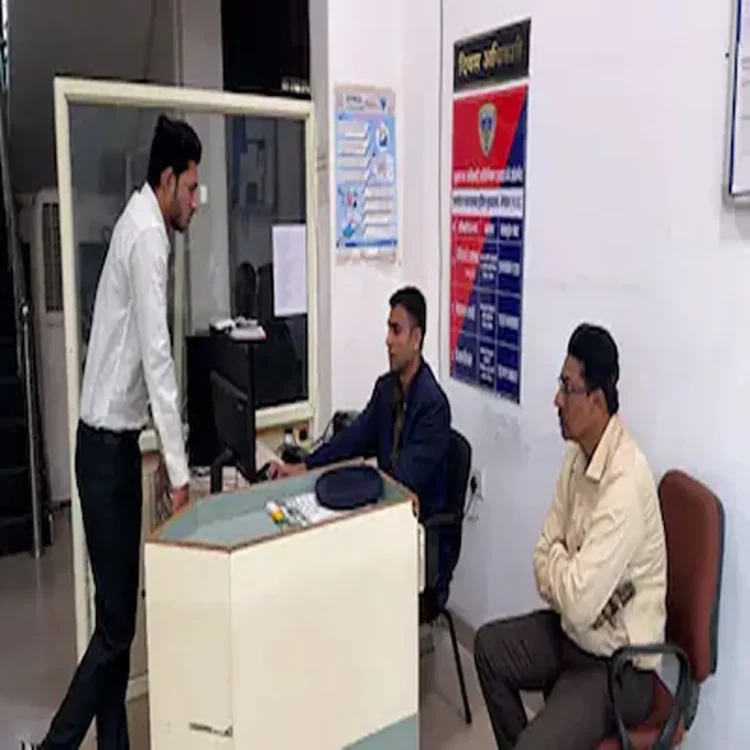
Haryana Among States With Highest Fraud Cases
The parliamentary data places Maharashtra at the top in terms of financial fraud, followed by the National Capital Territory of Delhi. Haryana ranked third in the number of reported cases, while Tamil Nadu occupied the fourth position. During the three-year period, Haryana recorded 84,378 fraud cases involving approximately ₹1,336.40 crore. The figures indicate that the state continued to register a substantial number of complaints during FY 2024-25 and FY 2025-26, highlighting the growing challenge of financial cybercrime.
Recovery of Defrauded Funds Remains Limited
Despite the large volume of reported incidents, the amount of money recovered has remained relatively modest. Official data shows that only a small portion of the reported losses was restored to victims during the three financial years. Authorities noted that recovering stolen funds is often difficult because fraudsters rapidly transfer money across multiple bank accounts and jurisdictions, making investigations more complex and time-consuming.
Maharashtra Leads in Total Financial Losses
While Haryana ranked high in the number of reported cases, Maharashtra recorded the country’s largest financial losses, with fraud involving more than ₹1.20 lakh crore over the three-year period. Delhi followed with over ₹85,000 crore, while Tamil Nadu and Uttar Pradesh also featured among the states reporting significant financial losses. The figures illustrate that the number of fraud cases and the total monetary value involved do not always move together.
Rise in Digital Payment Frauds
Officials and cybersecurity specialists believe Haryana’s comparatively lower financial value, despite its high case count, suggests that many incidents are linked to digital payment platforms and UPI transactions rather than large corporate banking frauds. The rapid expansion of digital banking, widespread smartphone usage, and increased online financial activity have created more opportunities for cybercriminals to target individual users.
Experts also point to Haryana’s close economic links with the National Capital Region, including major business centres such as Gurugram and Faridabad, as factors contributing to the higher reporting of cyber-related financial crimes. Improved public awareness and easier online reporting systems have encouraged more victims to report incidents.
Government Strengthens Cybercrime Response
To improve action against cyber-enabled financial offences, the Ministry of Home Affairs operates the Indian Cyber Crime Coordination Centre (I4C), which supports investigations and coordinates national efforts. Citizens can report cyber offences through the National Cyber Crime Reporting Portal, allowing agencies to respond more quickly and attempt to freeze fraudulent transactions before funds disappear.
Haryana Records Progress in Cyber Policing
Alongside the rise in reported frauds, Haryana has also strengthened its cybercrime enforcement efforts. State officials recently reported that money restoration orders were issued in a significantly higher share of cybercrime cases than the national average through the I4C Money Restoration Module.
Authorities have also intensified action against cybercriminal networks by registering cases, making arrests, seizing mobile devices and SIM cards, blocking suspicious mobile numbers and IMEIs, and removing unlawful online content. The introduction of the e-Zero FIR system has further streamlined the handling of major cyber fraud complaints, while inter-state coordination through dedicated digital platforms has improved investigation efficiency.