
Menstrual Health – Doctors Explain Why Irregular Periods Should Never Be Ignored
Menstrual Health -Many women experience changes in their menstrual cycle at some point in their lives. While stress is often blamed for delayed, painful, or unusually heavy periods, medical experts say it is only one of several possible reasons. Persistent changes in menstruation may indicate an underlying health condition that deserves medical evaluation rather than being dismissed as a temporary inconvenience.
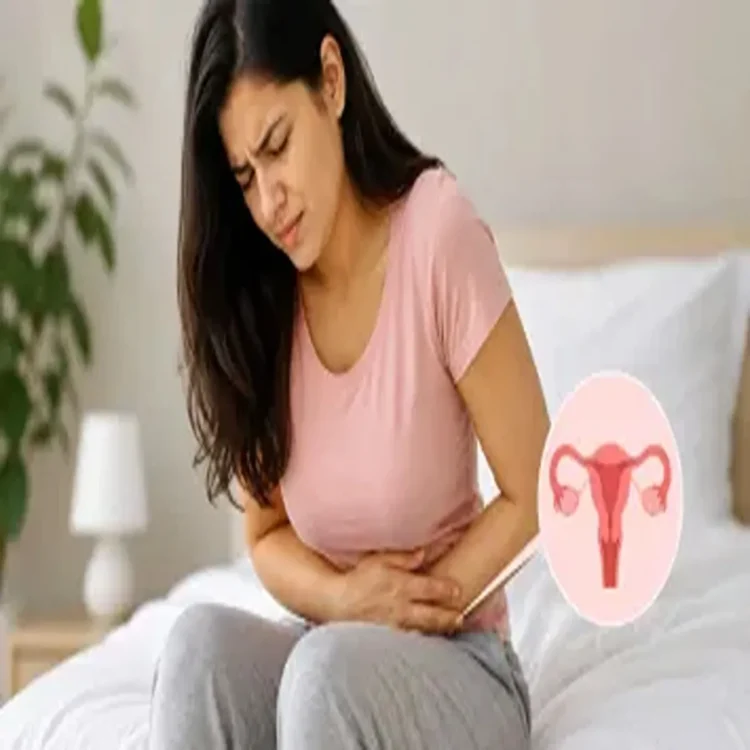
Stress Can Influence the Menstrual Cycle, but It Is Not the Only Cause
According to gynaecologists, emotional stress can interfere with the hormones that regulate menstruation, sometimes leading to delayed or irregular periods. However, specialists caution against assuming stress is responsible for every menstrual change. Hormonal disorders, thyroid conditions, polycystic ovary syndrome (PCOS), uterine abnormalities, and metabolic disorders are among the many medical issues that can affect menstrual patterns. Identifying the actual cause is essential because treatment depends on the underlying condition rather than the symptoms alone.
Doctors Assess Age and Menstrual History First
When a woman visits a gynaecologist with concerns about irregular periods, doctors begin by reviewing her age and menstrual history. The reasons behind menstrual irregularities often differ depending on the stage of life.
For teenagers who have recently started menstruating, hormonal development may still be stabilising. In contrast, women approaching menopause often experience hormonal fluctuations that naturally alter their menstrual cycle. Physicians also pay close attention to sudden changes such as heavier-than-normal bleeding, severe menstrual pain, or periods that unexpectedly become irregular after years of being consistent. These details help determine whether hormonal changes or structural problems may be involved.
Heavy Bleeding and Severe Pain Should Not Be Considered Normal
Medical professionals emphasise that excessively heavy menstrual bleeding should never be ignored. If bleeding is heavy enough to soak through a sanitary pad every one or two hours, particularly when accompanied by large blood clots, it may require prompt medical attention.
Continued heavy blood loss over several months can increase the risk of anaemia, leading to fatigue, weakness, and other health complications. Similarly, menstrual pain that becomes increasingly severe or interferes with normal daily activities should be evaluated rather than accepted as a routine part of the menstrual cycle.
PCOS, Fibroids and Other Conditions May Be Responsible
Persistent pelvic pain, noticeable swelling in the lower abdomen, or irregular menstrual cycles may point to conditions such as uterine fibroids, adenomyosis, or ovarian disorders. Doctors also look for signs commonly linked with PCOS, including excessive facial or body hair, acne, rapid weight gain, and missed or infrequent periods.
Women living with PCOS may go for several months without menstruation and later experience unusually heavy bleeding. Early diagnosis allows doctors to recommend suitable lifestyle changes, medications, or additional treatment depending on the individual’s health needs.
Lifestyle and Hormonal Factors Also Play an Important Role
Healthcare providers also investigate several lifestyle and medical factors that can influence menstrual health. Thyroid disorders, sudden weight gain or weight loss, obesity, uncontrolled blood sugar levels, poor sleep habits, smoking, and regular alcohol consumption may all contribute to menstrual irregularities.
For women of reproductive age, doctors also consider pregnancy, recent childbirth, breastfeeding, and postpartum recovery, as each of these can temporarily alter menstrual patterns. In some cases, contraceptive devices placed inside the uterus may also affect bleeding patterns.
Medical Tests Help Identify the Underlying Cause
Diagnosing irregular periods usually involves a detailed medical history, physical examination, and laboratory investigations. Common tests include haemoglobin levels to check for anaemia, thyroid function tests, blood sugar assessment, fasting insulin measurement, pregnancy testing when appropriate, and pelvic ultrasound.
If imaging reveals fibroids, adenomyosis, ovarian cysts, or other abnormalities, doctors may recommend additional investigations such as an MRI to obtain a clearer diagnosis.
When Medical Advice Should Be Sought
Experts advise women not to ignore menstrual changes that continue over several cycles. Consistently irregular periods, unusually heavy bleeding, severe menstrual pain, unexplained weight changes, excessive hair growth, persistent acne, or ongoing pelvic discomfort should all prompt a consultation with a gynaecologist.
Seeking professional medical advice early can help identify the underlying cause, prevent complications, and ensure appropriate treatment before the condition becomes more serious.