
ChinaFishingSanctions – US Senators Push for Action Against Vessels Supporting China’s Fishing Fleet
ChinaFishingSanctions –A bipartisan coalition of senior US senators has called for stronger financial measures targeting the support network that enables China’s distant-water fishing fleet to operate across international waters, arguing that disrupting these logistical vessels could weaken activities they say are linked to illegal fishing, environmental damage, and labour exploitation.
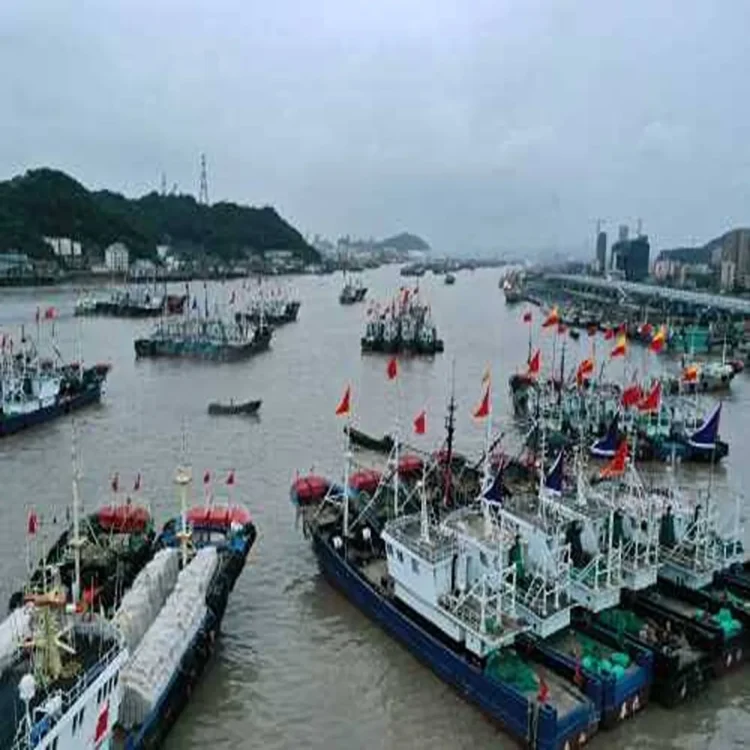
Senators Seek Broader Sanctions Strategy
A cross-party group of influential lawmakers has urged US Treasury Secretary Scott Bessent to expand sanctions beyond fishing boats and focus on the supply vessels that keep China’s large distant-water fishing fleet operating. According to the senators, refrigerated cargo ships, fuel tankers, and floating support platforms are critical to sustaining fishing operations for long periods without returning to port.
The lawmakers submitted their request in a letter released on Friday, asking the Treasury Department to identify these support vessels and add them, along with their owners and beneficial owners, to the Office of Foreign Assets Control’s Specially Designated Nationals and Blocked Persons List. The letter also points to 29 support ships that the senators believe have not yet been included under existing sanctions.
Concerns Over Environmental and Labour Practices
Senator Ted Cruz, who chairs the Senate Foreign Relations Subcommittee on Africa and Global Health Policy, said the Chinese Communist Party’s distant-water fishing network has been associated with extensive environmental destruction in several parts of the world. He alleged that fishing activities have contributed to the deaths of protected marine species, including sharks, whales, and dolphins, while also damaging large areas of coral reefs.
Cruz further claimed that some workers aboard these fleets face forced labour, poor working conditions, physical mistreatment, inadequate nutrition, excessive working hours, and unpaid wages. He argued that the support ships play an essential role by delivering fuel, transporting catches, and providing supplies, making them a key point for enforcement efforts.
Support Vessels Viewed as Operational Backbone
According to the senators, China’s distant-water fishing fleet is estimated to include between 2,000 and 16,000 vessels. They cited figures indicating that the fleet accounted for approximately 44 percent of global fishing activity between 2022 and 2024, spending an estimated 110 million hours operating in the waters of around 90 countries.
The lawmakers contend that previous sanctions aimed directly at fishing vessels have had limited impact because China developed an extensive logistics system that allows boats to remain at sea for extended periods. Support ships transport harvested fish, refuel fishing vessels, provide medical assistance, and deliver other essential services, reducing the need for fishing boats to enter ports where sanctions could be enforced.
Lawmakers Say Logistics Network Is More Vulnerable
Senator Dan Sullivan said the proposed measures would target one of the most vulnerable parts of China’s fishing operations. He argued that support vessels depend heavily on commercial services such as ports, insurance providers, financing institutions, and fuel suppliers, making them more susceptible to financial restrictions.
The senators believe that once sanctioned, these ships could face major challenges in securing port access, purchasing fuel, obtaining insurance, and selling their cargo, increasing operational costs and reducing the effectiveness of China’s distant-water fishing network.
Bipartisan Support for the Proposal
Several other senators joined the initiative, including Tom Cotton, Chris Coons, Roger Wicker, Todd Young, Rick Scott, Marsha Blackburn, and Andy Kim. The lawmakers expressed concerns ranging from maritime security and global fish stock depletion to supply chain resilience and human rights.
Andy Kim stated that illegal fishing operations and allegations of forced labour could affect American fishing industries, international supply chains, and broader national security interests. Chris Coons said such activities place additional pressure on marine ecosystems and create challenges for allied nations that depend on coastal fisheries. Roger Wicker described sanctions against the support vessels as a practical step, while Todd Young argued that overfishing and illegal operations continue to disrupt regional fishing economies.
Rick Scott accused the Chinese Communist Party of human rights violations linked to labour practices at sea, and Marsha Blackburn said stronger sanctions would help ensure that US businesses are not connected to entities involved in such operations. Tom Cotton also emphasized that targeting vessels supporting illegal and unregulated fishing could strengthen maritime security and protect American economic interests.