
TradeTariff – GTRI Challenges Basis of US Duty on Indian Export Shipments
TradeTariff – India’s latest trade policy changes have come under fresh scrutiny after a domestic research body questioned the justification behind additional US import duties imposed on Indian products.
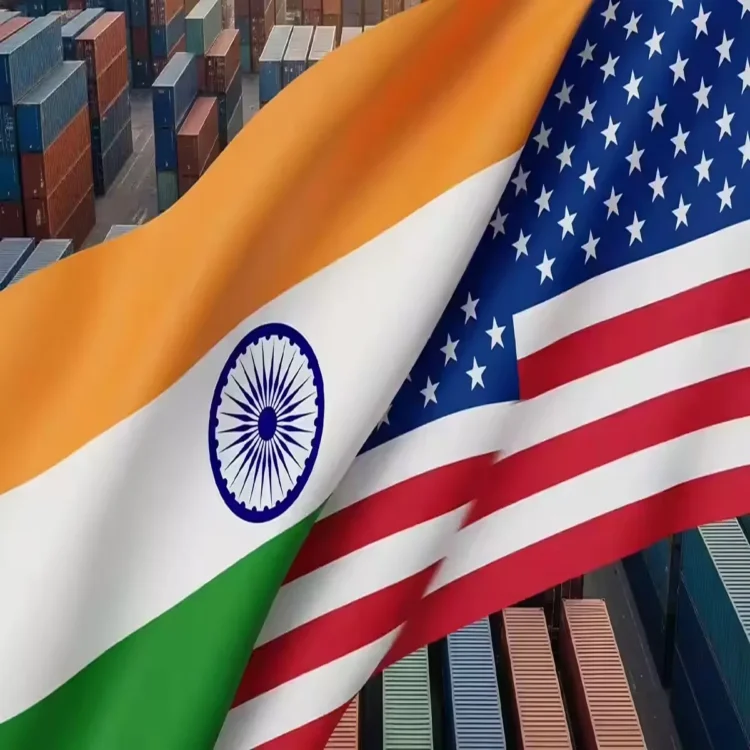
The Global Trade Research Initiative (GTRI) has raised concerns over the United States’ decision to levy an additional 10 per cent tariff on a large share of Indian exports under Section 301, arguing that the move is unsupported by credible evidence. According to the think tank, the measure appears to be aimed at maintaining existing trade restrictions rather than addressing any proven issue related to forced labour in India’s supply chains.
India’s Policy Changes Highlighted
In its assessment, GTRI noted that India had already updated its Foreign Trade Policy in June 2026 by banning the import of products manufactured through forced or compulsory labour. The organisation said this policy revision played a role in reducing the proposed US tariff from 12.5 per cent to 10 per cent before the final decision was announced.
The report maintained that the United States has not presented any concrete evidence showing that India imports goods produced through forced labour. On that basis, GTRI questioned the legal and factual justification for applying the additional duty to Indian exports.
Major Export Sectors Face Additional Costs
Despite India’s policy changes, the report stated that nearly 70 per cent of the country’s exports to the United States will now be subject to the existing Most Favoured Nation (MFN) tariff along with the newly imposed 10 per cent Section 301 duty.
The affected categories include engineering products, textiles and apparel, chemicals, machinery, plastics, leather goods, gems and jewellery, furniture, and a broad range of manufactured items. GTRI warned that these sectors could experience higher costs while accessing the US market due to the combined tariff burden.
Existing Tariffs Continue for Section 232 Products
The report also explained that products already covered under Section 232 regulations remain outside the scope of any relief. Around 8 per cent of India’s exports—including steel, aluminium, copper products and automotive components—will continue to attract previously imposed duties ranging between 25 and 50 per cent, in addition to applicable MFN tariffs.
Meanwhile, products that are exempt from these measures will continue to enter the US market under the standard MFN tariff structure without facing the new Section 301 charge.
GTRI Questions the Purpose of the New Measure
According to GTRI, the latest tariff appears to have a broader trade policy objective rather than serving as a response to a verified forced-labour concern involving India. The organisation argued that the additional duty effectively preserves the tariff framework introduced during the Trump administration after temporary Section 122 tariffs reached their expiry.
The report suggested that the absence of documented evidence linking India’s imports to forced labour weakens the stated rationale behind the US action.
India Excluded From Textile Tariff Exemption
Another issue highlighted by GTRI relates to the treatment of textile exports. The report pointed out that India has not been included in the textile and apparel tariff-rate quota (TRQ) exemption granted to countries such as Bangladesh, Cambodia, Indonesia and Malaysia.
Under that arrangement, specified textile exports manufactured using US-origin cotton and fibre are eligible for preferential treatment. GTRI observed that Indian exporters do not receive the same benefit, placing them at a comparative disadvantage in certain segments of the American textile market.
The organisation concluded that while India has introduced policy reforms aimed at preventing the use of forced labour in international trade, the latest US tariff decision continues to impose additional costs on a significant portion of Indian exports, raising fresh questions about the basis and broader objective of the measure.