
Education – Supreme Court Questions Timing of CBSE Third Language Rule and Seeks Decision on Navodaya Schools
Education – The Supreme Court has voiced concern over recent developments involving CBSE language requirements and Jawahar Navodaya Vidyalayas, highlighting the need for student welfare and timely policy decisions.
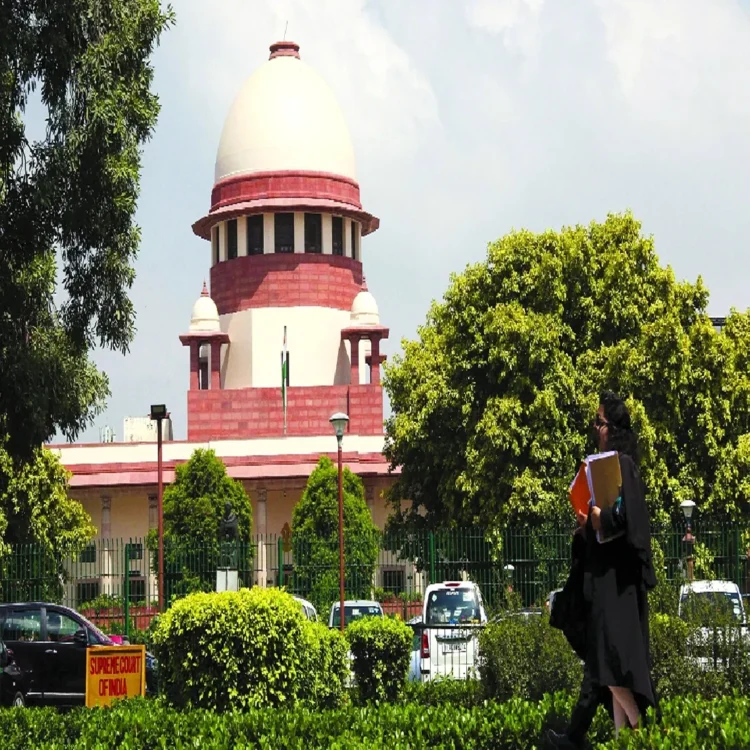
The Supreme Court on Thursday raised concerns about the Central Board of Secondary Education (CBSE) introducing a compulsory third language for students in Class 9. The court observed that learners at this stage are already preparing for Board examinations in the following academic year, making it an especially demanding period. According to the bench, adding a new language at this level could increase academic pressure instead of helping students develop language skills gradually.
Court Questions Timing of Language Requirement
Justice B V Nagarathna remarked that Class 9 is already considered a challenging year for students because of the transition toward Board examinations. She suggested that if a third language is part of the curriculum, it would be more appropriate to introduce it from Class 6, allowing children sufficient time to become familiar with the subject before reaching higher classes.
The observations came during proceedings before a bench comprising Justice B V Nagarathna and Justice R Mahadevan. The matter was being heard in connection with an appeal filed by the Tamil Nadu government against a Madras High Court order related to Jawahar Navodaya Vidyalayas. During the hearing, a lawyer informed the court that CBSE schools currently require students to study a third language beginning in Class 9, prompting the bench to discuss its possible impact on students.
Focus Shifts to Navodaya Schools in Tamil Nadu
The hearing also centered on the establishment of Jawahar Navodaya Vidyalayas across Tamil Nadu. The Supreme Court questioned the state’s continued opposition to implementing the Madras High Court’s direction to set up these centrally funded residential schools in every district.
Justice Nagarathna observed that the schools are funded by the Union government and stated that the state’s primary responsibility would be to provide land. She noted that similar institutions are functioning in other parts of the country and questioned why students in Tamil Nadu should be denied access to the same educational opportunities.
Bench Encourages Consideration of Central Education Schemes
During the proceedings, the bench advised the Tamil Nadu government not to dismiss education initiatives solely because they originate from the Central government. The judges stressed that decisions should focus on the educational interests of students rather than administrative differences between governments.
Representing the state, counsel informed the court that discussions regarding the proposal were still underway. In view of the ongoing consultations, the state requested additional time before taking a final position on the matter.
Six Weeks Granted for State’s Decision
Accepting the request, the Supreme Court granted the Tamil Nadu government six weeks to decide whether it would establish Jawahar Navodaya Vidyalayas in the state. The bench also allowed the same period for authorities to gather instructions regarding the identification of suitable land for the proposed schools.
Justice Nagarathna further observed that the present state administration may have its own education policies, but this should not prevent the functioning or establishment of Central government schools if they can benefit students. The court emphasized that educational opportunities should remain the primary consideration.
The matter has now been scheduled for further hearing on August 11, when the court is expected to review the state’s response and the progress made regarding the proposed schools.