
Election Security – Democrats Push Back After Trump Revives 2020 Election Claims
Election Security –Senior Democratic leaders strongly criticized President Donald Trump after his nationally televised address, arguing that his remarks repeated previously disputed claims about the 2020 presidential election. The response came shortly after Trump announced the release of classified intelligence and law enforcement records that he said raised concerns about foreign election activity and vulnerabilities in the American voting system. His speech also included renewed support for stricter federal election rules as Congress prepares for future legislative debates.
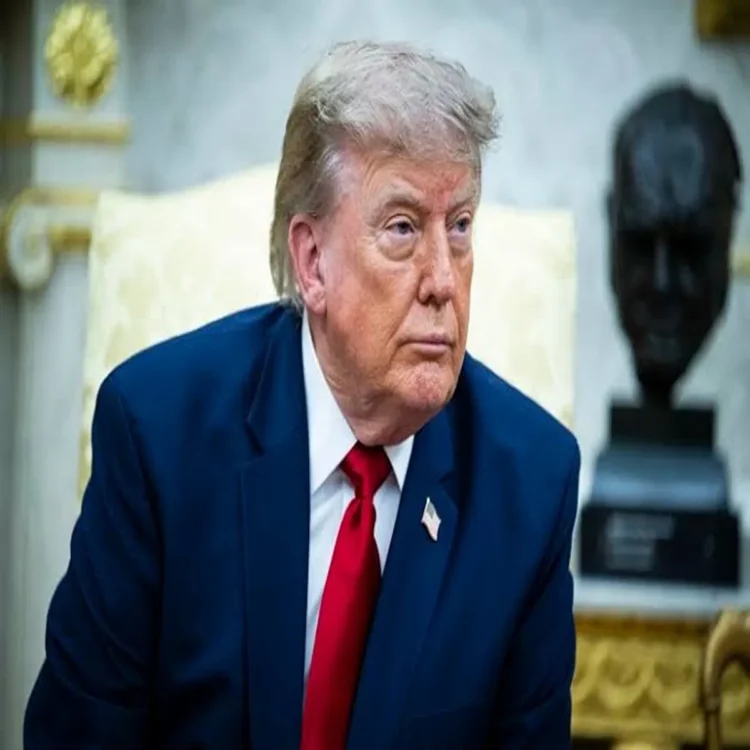
Democrats Reject President’s Allegations
The Democratic National Committee dismissed Trump’s statements, saying they relied on claims that have already been reviewed by multiple government agencies and investigative bodies. Party officials argued that the President’s comments risk weakening public trust in the country’s electoral process instead of strengthening confidence in future elections.
Democratic leaders maintained that previous assessments by the US intelligence community concluded that while foreign governments sought to advance their interests, there was no determination that China directly interfered in the administration of the 2020 presidential election. They also pledged to continue voter outreach, legal efforts, and election monitoring as preparations for the 2026 midterm elections continue.
Intelligence Records Spark Political Dispute
During his address, Trump announced the declassification of intelligence, FBI, and cybersecurity documents that he said highlighted election-related concerns involving China and weaknesses in election infrastructure. He also urged lawmakers to approve the Save America Act, a proposal that would introduce nationwide requirements such as photo identification, proof of citizenship for voter registration, and tighter regulations on mail-in voting.
The announcement immediately triggered criticism from Democratic lawmakers, who questioned both the interpretation of the released material and the conclusions presented by the President.
Lawmakers Defend Earlier Findings
Representative Bennie Thompson said the President’s speech revisited issues that had already been extensively examined following the 2020 election. According to Thompson, foreign influence operations have remained an ongoing national security concern for years, but he argued there was no new publicly presented evidence showing that previous official findings should be changed.
He also criticized the administration’s approach to election security, pointing to reductions in certain federal programs designed to support voting system protection and cybersecurity assistance for state election officials.
Intelligence Committee Leaders Respond
Senator Mark Warner, the Democratic vice chairman of the Senate Intelligence Committee, also challenged Trump’s interpretation of the intelligence information. He said multiple investigations conducted over several years by intelligence agencies, federal departments, bipartisan election officials, audits, recounts, and courts consistently reached similar conclusions regarding the integrity of the 2020 election.
Warner acknowledged that China remains a significant strategic competitor of the United States and has pursued influence efforts in various areas. However, he said intelligence assessments have maintained that no foreign government altered vote counts, compromised voting machines, or successfully breached election infrastructure in a way that changed the outcome of the election.
Harris Criticizes President’s Remarks
Former Vice President Kamala Harris also responded publicly during and after Trump’s address through social media posts. She stated that the 2020 election result had already been decided through the established electoral process and argued that efforts to question its legitimacy could reduce public confidence before the upcoming midterm elections.
Her comments echoed broader Democratic concerns that continued disputes over past election results may influence voter participation and public perception of future elections.
Election Integrity Remains a Divisive Issue
The exchange highlights the continuing political divide over election security in the United States. Nearly six years after the 2020 presidential election, debates surrounding foreign influence, voting procedures, election administration, and voter confidence remain central issues in national politics. As attention gradually shifts toward the 2026 midterm elections, both major political parties are expected to continue presenting sharply different views on how the country’s electoral system should be protected and managed.