
MCOCA – Delhi High Court Seeks Police Reply in Pinky Irani Case
MCOCA – Legal proceedings in the Rs 200 crore extortion case involving alleged conman Sukesh Chandrasekhar moved forward on Wednesday after the Delhi High Court asked the city police to respond to a petition filed by Pinky Irani, who is accused of being one of Chandrasekhar’s close associates.
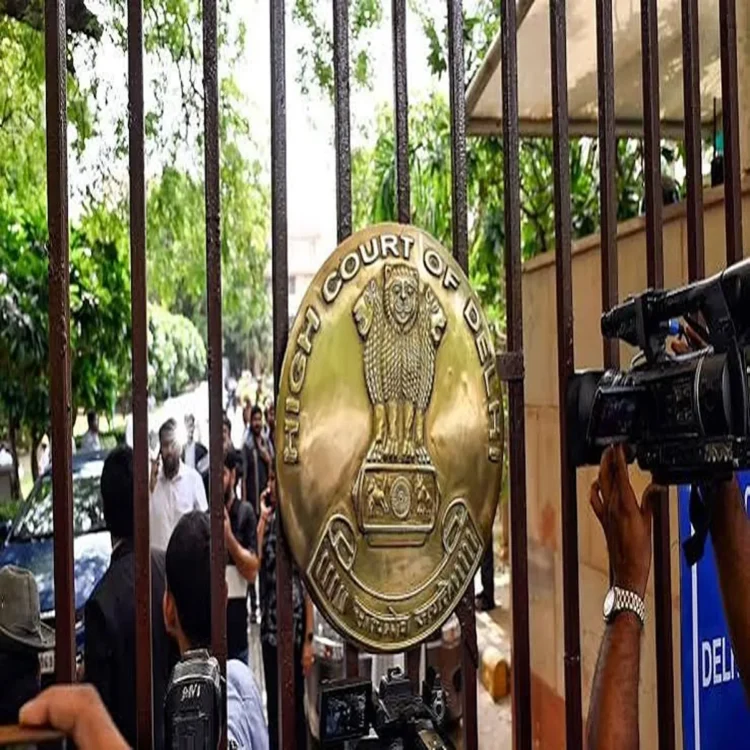
Delhi court proceedings and extortion case developments –
Irani has challenged a trial court order that framed charges against her and several other accused in the case. She has also sought a pause on the trial court proceedings while her challenge is considered by the High Court.
Court issues notice to Delhi Police
Justice Madhu Jain issued notice to the Delhi Police on Irani’s revision petition and gave the investigating agency two weeks to submit its reply. The matter is scheduled to be heard next on September 10.
The petition questions the trial court’s June 3 order, under which charges were framed against Chandrasekhar, Irani and 19 other people. The accused were booked for several alleged offences, including provisions of the Maharashtra Control of Organised Crime Act, commonly known as MCOCA.
Irani disputes organised crime charges
In her petition, Irani argued that she had been incorrectly implicated in the case. She maintained that the available material did not justify applying the stringent MCOCA provisions against her.
The Delhi Police requested additional time to place its response before the court. Investigators have previously alleged that Irani presented Chandrasekhar as a successful businessman and helped arrange meetings between him and people connected with the film industry.
Investigators have also linked Irani to actor Jacqueline Fernandez, who is a co-accused in a separate money laundering case connected to Chandrasekhar. According to the allegations, Irani introduced Fernandez to Chandrasekhar.
Charges stem from major extortion investigation
The case is part of a wider investigation into allegations that Chandrasekhar and others used false identities and claims of influence to extort large sums of money. The trial court’s decision to frame charges marked an important stage in the prosecution, as the court found sufficient grounds for the accused to face trial.
However, the High Court will now examine Irani’s objections to the charges against her. Its decision could determine whether the proceedings against her continue under the organised crime law or whether any part of the trial court order requires reconsideration.
Tihar prison asked to respond in separate case
In another matter, a Delhi court has sought a response from Tihar Central Prison after a US citizen accused in a terror conspiracy case requested a different diet while in custody.
Matthew Aaron Van Dyke, described by investigators as an alleged mercenary, is facing accusations linked to an alleged terror conspiracy involving India and Myanmar. Through his lawyer, he told the court that he had been on a hunger strike for about 50 days.
Diet request raised before court
Van Dyke’s counsel said he was unable to consume the food being served in prison because it was too spicy, oily and heavily fried. The plea sought an “American diet” suited to his dietary needs.
The court has asked the prison authorities to respond to the request. The matter will be considered after Tihar Central Prison places its position before the court.