
Markets – Indian Equities Slide as West Asia Concerns Rattle Investors
Markets – Indian stock markets ended Tuesday with steep losses after fresh remarks by US President Donald Trump raised concerns about renewed tensions involving Iran. The late-session decline reflected a broader shift away from risk assets as investors reacted to developments in global politics and rising crude oil prices.
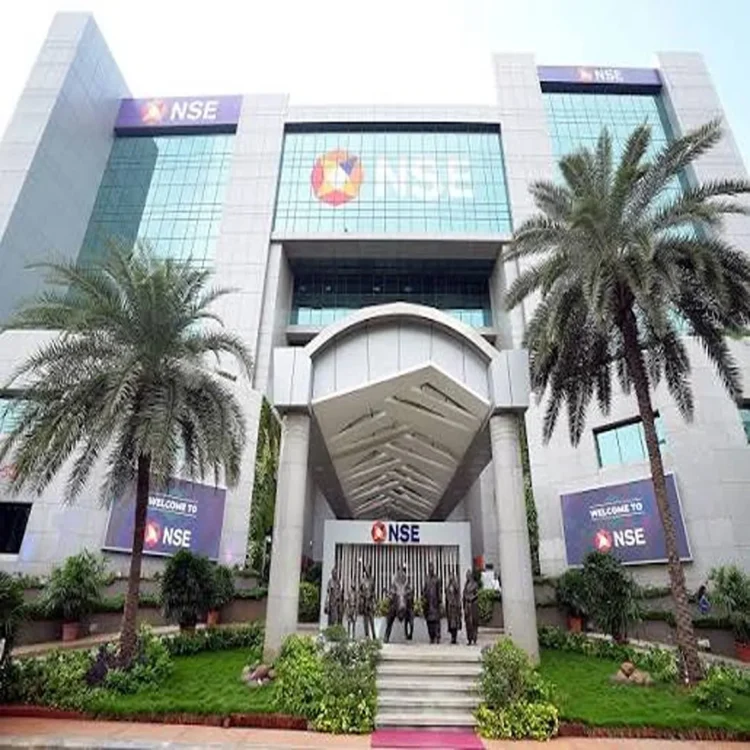
Global market volatility weighs on domestic shares
The Nifty 50 fell by more than 500 points, declining over 2 per cent to finish at 23,887.45. The Sensex also dropped sharply, losing more than 1,600 points to close at 76,555. Selling was widespread across sectors, with financial services and public sector banking stocks among the weakest areas of the market.
Volatility increased significantly during the session. India VIX, a measure commonly used to track expected market swings, rose by more than 28 per cent as traders adjusted positions amid uncertainty.
Trump comments revive geopolitical concerns
Investor sentiment weakened after Trump made comments at a NATO summit in Ankara regarding US action against Iran. He said the United States had responded after Iran allegedly fired rockets at ships, and indicated that the diplomatic process with Tehran had deteriorated.
The comments prompted concern that tensions in West Asia could intensify again, particularly because of the region’s importance to global oil supplies and shipping routes. Markets were also assessing Trump’s statements on NATO, Greenland, Spain and trade, which added to uncertainty around international relations.
Oil prices rise on supply and shipping worries
Brent crude gained nearly 4 per cent to reach about USD 76.71 a barrel as traders considered the potential impact of any prolonged conflict on energy flows. For India, which relies heavily on imported crude oil, higher prices can increase pressure on inflation, the trade balance and government finances.
Market and banking analyst Ajay Bagga said the reported breakdown in understanding between the US and Iran had quickly changed the mood across financial markets. According to him, investors were reducing exposure to equities as they assessed the possibility of a longer period of instability.
He said uncertainty around the Strait of Hormuz, a key route for global energy shipments, had become an important concern for investors. Any disruption in the region could affect oil supply expectations and raise costs for major importing countries.
Risk-off sentiment drives late selling
Bagga said the market reaction showed that investors were rapidly factoring geopolitical risks into asset prices. The sell-off on Dalal Street, he noted, reflected caution rather than a change in domestic economic fundamentals.
He added that the latest statements could partly be aimed at domestic political audiences, but said the possibility of escalation could not be ignored. In his view, regional powers may seek to encourage the US and Iran to resume negotiations in order to prevent a wider conflict.
Currency and dollar movements remain in focus
The near-term outlook for Indian equities is likely to depend on developments in West Asia, crude oil prices and signals from global policymakers. Until there is greater clarity on the situation, market participants may continue to expect higher volatility.
At the time of reporting, the Dollar Index was up 0.10 per cent at 101.1300. The Indian rupee was quoted 0.62 per cent stronger at 95.5600 against the US dollar.