
EducationReform – Uttar Pradesh Madrasa Changes Focus on Modern Learning and Skills
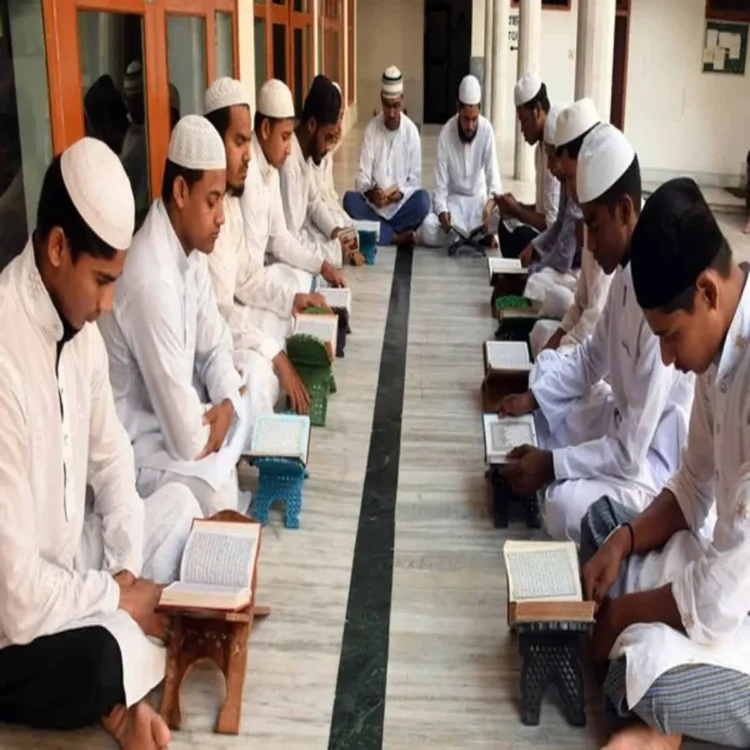
EducationReform – The transformation of the madrasa education system in Uttar Pradesh has emerged as a major part of the state’s broader education reform agenda. The initiative focuses on improving academic standards, expanding access to modern subjects, and creating better opportunities for students studying in traditional institutions. The changes are being presented as an effort to connect students with contemporary educational requirements while preserving their cultural and religious learning.
Shift From Traditional Politics to Development Priorities
For decades, debates surrounding the Muslim community often centered on identity-related issues rather than long-term concerns such as education, healthcare, employment, and economic advancement. Critics of earlier governments argue that meaningful reforms in educational institutions serving Muslim students did not receive sufficient attention, leaving many young learners without access to modern academic resources and professional skills.
The current administration in Uttar Pradesh has positioned educational development as a key component of its governance approach. Under Chief Minister Yogi Adityanath, efforts have been directed toward restructuring the madrasa system with an emphasis on transparency, accountability, and improved learning outcomes.
Focus on Modern Curriculum and Educational Standards
One of the central elements of the reform programme has been the introduction of subjects considered essential for higher education and employment opportunities. In line with the National Education Policy 2020, recognised madrasas have been encouraged to adopt curricula that include Mathematics, Science, English, and Hindi alongside traditional studies.
Authorities have also worked to align teaching standards with guidelines developed by educational bodies such as NCERT and SCERT. Officials say the objective is to ensure that students graduating from madrasas are better prepared to participate in mainstream educational and professional environments.
Measures to Improve Transparency and Oversight
The state government has introduced several administrative changes aimed at improving monitoring and governance within madrasa institutions. These measures include digital record management, audits, scrutiny of funding sources, and greater oversight of institutional operations.
A significant step in this process was the launch of a dedicated digital portal that streamlined examinations, certification procedures, and student records. Proposed amendments to existing regulations are also intended to bring madrasa institutions closer to national educational benchmarks while maintaining regulatory accountability.
Expanding Opportunities for Students
Officials maintain that the reforms are designed to provide students with skills that can support future careers and higher education pathways. Computer education, technology-based learning tools, and updated academic content have been introduced across a large number of institutions.
The government has also undertaken surveys to identify unrecognised madrasas and assess their operational status. Support programmes aimed at teacher training have been expanded, with thousands of educators receiving instruction under modernisation initiatives.
Reported Outcomes of the Reform Programme
According to government data, infrastructure improvements have been carried out in thousands of madrasa institutions across the state. More than 18,000 employees in government-aided madrasas are reported to be receiving salaries under the Seventh Pay Commission framework.
Officials state that approximately 12.35 lakh students now have access to facilities such as computer laboratories and modern educational resources. Examination figures released for 2026 indicate that over 80,000 students appeared for secondary and senior secondary madrasa examinations, marking a noticeable increase compared to the previous year.
The overall pass percentage was reported at 88.26 percent, while female students achieved a pass rate of 94.30 percent. Education authorities have highlighted these results as evidence of increasing participation and academic performance among girls studying in madrasa institutions.
Continuing Debate Over Educational Reforms
The reforms have generated differing political responses. Supporters argue that the changes are helping integrate traditional educational institutions with modern academic standards and employment-oriented learning. Critics, however, continue to question various aspects of the policy framework and its implementation.
Despite the debate, the Uttar Pradesh government maintains that the initiative is intended to strengthen educational quality, widen opportunities for students, and promote inclusive development. The administration views the modernization programme as a long-term effort to ensure that madrasa students can access broader academic and career prospects while remaining connected to their educational traditions.