
Infrastructure – Mumbai Coastal Corridor Expansion Set to Transform Urban Travel
Infrastructure – Mumbai is moving closer to a major transportation upgrade as the Maharashtra government advances work on its ambitious Coastal Road network. Chief Minister Devendra Fadnavis, after reviewing the ongoing construction activities on Sunday, said the upcoming infrastructure is expected to significantly reduce traffic pressure on the heavily used Western Express Highway. According to the current schedule, the Bandra-Versova sea link is targeted for completion by March 2028, while the Versova-Bhayandar stretch and its associated road connections are expected to be operational by the end of December 2028.
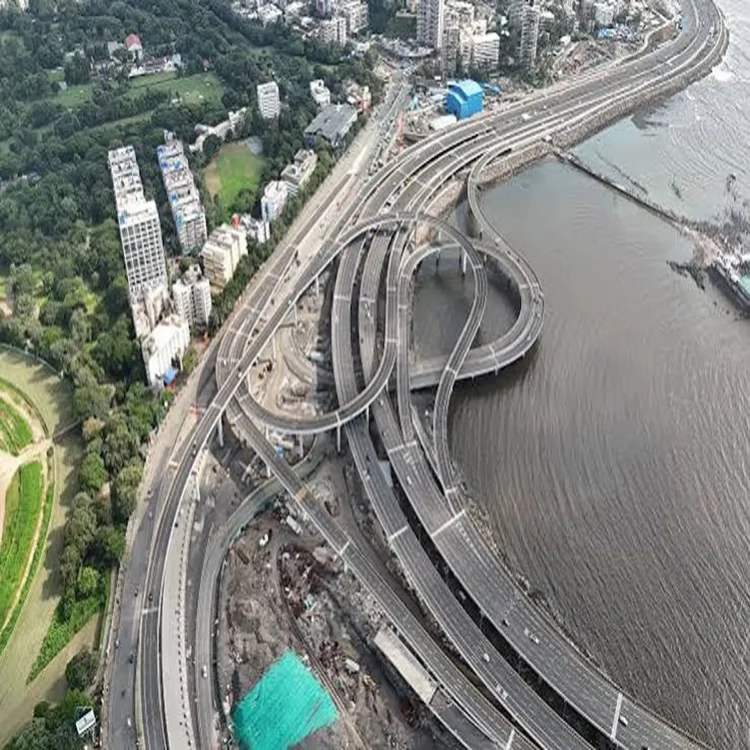
Alternative Corridor Planned for Growing Traffic Demand
Highlighting the importance of the project, Fadnavis noted that nearly 60 percent of Mumbai’s road traffic currently depends on the Western Express Highway. With the city’s north-south movement concentrated along a limited number of transport routes due to its geographical layout, authorities believe an additional signal-free corridor is essential to support future travel requirements. The Coastal Road network is expected to provide commuters with another reliable route while reducing pressure on existing roads that frequently experience congestion.
Coastal Route Expected to Improve Connectivity
Officials overseeing the project said the new coastal transport system is designed to offer faster and more efficient travel along Mumbai’s western shoreline. The corridor aims to strengthen links between South Mumbai and the city’s northern suburbs, making daily travel smoother for residents and businesses alike. The Bandra-Versova sea link and the Versova-Bhayandar connection are considered key components of the broader coastal infrastructure strategy. Once operational, these routes are expected to improve movement across the Mumbai Metropolitan Region and provide a practical alternative to crowded urban roads.
Construction Continues Despite Marine Challenges
Work on the project is progressing in a complex coastal environment, where engineering teams must deal with rough sea conditions and other marine-related difficulties. The Chief Minister said several legal and procedural obstacles that previously affected progress have been addressed. He added that construction activity is likely to accelerate after the monsoon season. To maintain timelines, the government has adopted separate execution plans for monsoon and non-monsoon periods. A dedicated monitoring system has also been established to track daily progress and ensure construction milestones are achieved on schedule.
Environmental Protection Measures Remain a Focus
The Coastal Road initiative has attracted attention from environmental groups, particularly regarding its potential impact on mangrove ecosystems. Responding to these concerns, Fadnavis stated that the state continues to prioritize environmental conservation alongside infrastructure development. Referring to official assessments by the Forest Survey of India, he said mangrove coverage in Mumbai and surrounding metropolitan areas has increased through plantation drives and protection programmes. He also noted that wherever infrastructure work requires limited relocation of mangroves, compensatory measures and restoration efforts are being implemented to preserve ecological balance and safeguard coastal habitats.
Review of Religious Infrastructure Projects
Apart from transport development, the Chief Minister also reviewed preparations related to the upcoming Kumbh Mela and ongoing projects in prominent temple towns across Maharashtra. He said development works are progressing in Trimbakeshwar, Ghrishneshwar and Parli Vaijnath. However, projects at Bhimashankar continue to face challenges because of forest protection requirements, biodiversity considerations and the habitat of the Indian giant squirrel.
According to Fadnavis, a nearby village has agreed to relocate approximately 1.5 kilometres away from its current location, where it will be redeveloped as a model settlement. He further stated that several temple infrastructure projects originally planned over an 18-month period have been completed within six months, reflecting faster execution by the administration.