
Sanctions – India Raises Concerns After US Actions Against Merchant Ships Near Oman
Sanctions – A fresh diplomatic dispute has emerged after Iran rejected allegations made by US President Donald Trump, who claimed that Tehran was responsible for a drone strike targeting Indian-linked vessels in the strategically important Strait of Hormuz. Iran’s embassy strongly denied the accusation, describing it as unfounded and lacking any factual basis.
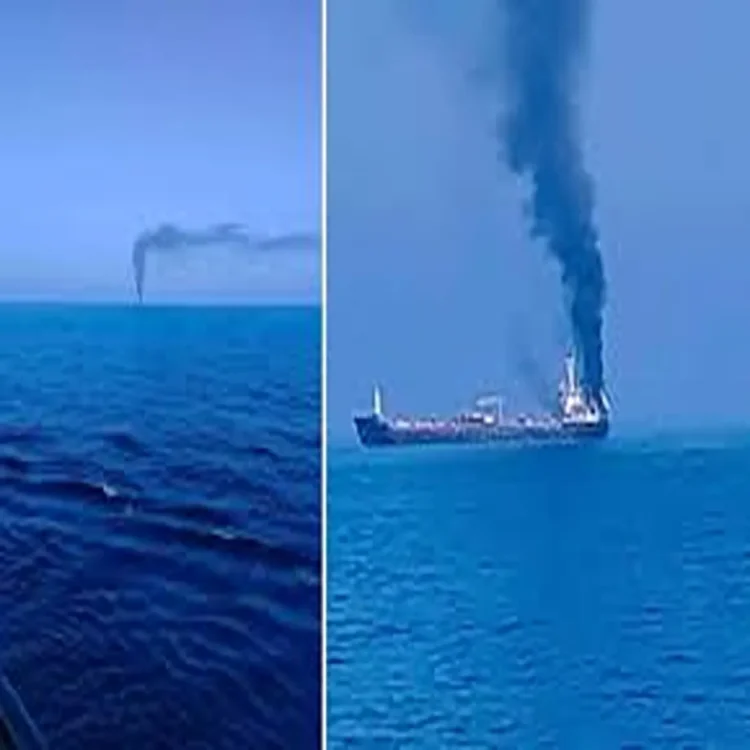
According to the Iranian mission, the statement issued by the US president was an effort to shift focus away from recent American military operations in regional waters that affected commercial ships carrying Indian crew members. The embassy argued that attention should instead remain on the incidents involving merchant vessels in the Gulf of Oman, where Indian sailors were among those impacted.
Iran Dismisses Allegations
In a message shared through official channels, the Iranian embassy said there was no evidence supporting claims that Iran had attacked an Indian vessel in the Strait of Hormuz. The mission maintained that the accusations were inaccurate and politically motivated.
Iranian officials further stated that recent events involving commercial shipping had resulted in serious consequences for Indian nationals working aboard affected vessels. The embassy criticized the US administration’s remarks, claiming they diverted attention from the broader maritime situation unfolding in the region.
India Voices Strong Objections
The controversy intensified after India summoned US Charge d’Affaires Jason Meeks to convey its concerns regarding American military actions against commercial ships operating near Oman. New Delhi reportedly described the strikes as unacceptable, particularly because Indian crew members were present on board the vessels involved.
This marked the second diplomatic engagement between Indian authorities and the senior American diplomat within the same week over the incidents. Indian officials sought explanations regarding the military actions and their impact on Indian seafarers.
Multiple Vessels Affected in Separate Incidents
One of the vessels involved was the Palau-flagged oil tanker Marivex, which carried 24 Indian crew members. The ship was reportedly disabled by US forces on June 8. Despite the damage to the vessel, all sailors on board were rescued safely without loss of life.
A second tanker, Settebello, also registered under the Palau flag, came under military action two days later. The incident resulted in the deaths of three Indian seafarers among the 24 crew members working aboard the vessel, making it the most serious of the reported cases.
Another tanker, Jalveer, sailing under the Guinea-Bissau flag and carrying 20 Indian nationals, was targeted in a separate operation on June 11. The series of incidents has increased concerns about the safety of commercial shipping routes in the region.
Official Statements from New Delhi
India’s Ministry of External Affairs confirmed that all three incidents involved actions carried out by the US Navy. Ministry spokesperson Randhir Jaiswal stated that the vessels affected were Marivex, Settebello and Jalveer.
He noted that two of the ships were subject to sanctions enforced by the US Treasury Department’s Office of Foreign Assets Control, commonly known as OFAC. The third vessel had reportedly been classified as non-compliant under existing regulations.
US Explains Military Operations
The US Central Command said its forces acted against the three vessels because they were allegedly attempting to breach restrictions connected to Iranian ports. According to the American military, operations were conducted against Marivex on June 8, Settebello on June 9 and MT Jalveer on June 11.
US authorities have maintained that the measures were linked to the enforcement of sanctions and maritime restrictions. However, the incidents have sparked diplomatic tensions and raised questions about the safety of international shipping and the welfare of civilian crews operating in one of the world’s busiest maritime corridors.