
Education – Delhi Libraries Emerge as Key Study Spaces for Students
Education – Public libraries across Delhi are witnessing a noticeable transformation as increasing numbers of students turn to these institutions for focused study and exam preparation. Once known primarily as places for leisure reading and book borrowing, many libraries are now serving as affordable and accessible workspaces for young learners navigating the challenges of studying in a busy and costly urban environment.
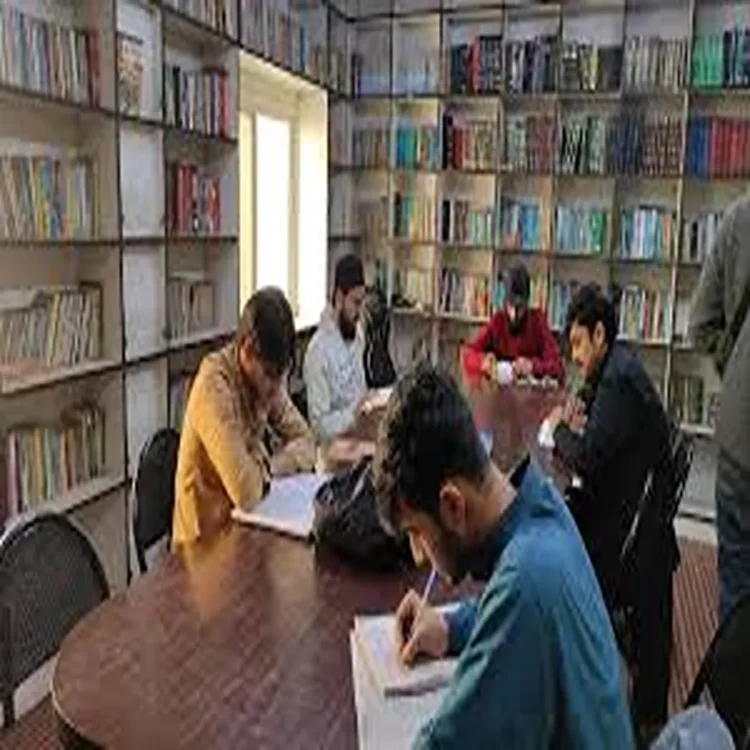
At the Dyal Singh Public Library near ITO, the change is evident throughout the facility. By midday, most seats in the reading halls are occupied by students revising for competitive examinations, reviewing practice papers, and organizing study materials. The atmosphere remains calm and disciplined, with readers spending long hours concentrating on their academic goals.
Changing Role of Public Libraries
Library staff members say that around 150 people visit the Dyal Singh Public Library every day. A significant share of these visitors consists of students preparing for government recruitment tests, entrance examinations, and other competitive assessments. Alongside them are working professionals and adult learners who use the reading areas as productive spaces for study and self-improvement.
While the reading sections remain consistently busy, parts of the library’s physical collection reveal signs of age. Several bookshelves contain older editions, and some infrastructure appears in need of modernization. Despite this, demand for educational resources remains strong.
Demand for Examination Material
Among the most frequently used resources are examination guides, reference books, and preparation manuals. These materials attract regular interest from students, although many of them can only be accessed within the library premises and are not available for borrowing.
For many young people, the value of a public library extends beyond access to books. Students often describe these spaces as reliable environments that help maintain concentration and establish a disciplined routine.
Student Perspectives on Library Culture
Tanishka Dhoundiyal, a law student, believes public libraries continue to play an important role in student life. According to her, libraries provide an environment where individuals can study for extended periods without feeling pressured to spend money.
She noted that although some facilities may not always be perfect, libraries remain welcoming spaces that support students from different backgrounds. Their affordability and quiet atmosphere make them especially valuable for those seeking uninterrupted study time.
Affordable Access for Readers
One reason behind the popularity of public libraries is their accessibility. At Dyal Singh Public Library, readers can borrow fiction and non-fiction books by depositing a refundable security amount of approximately ₹500. No membership fee is required, making the service available to people from a wide range of economic backgrounds.
A similar pattern can be observed at several branches of the Delhi Public Library network, including centres in Janakpuri and Mayur Vihar Phase II. Reading halls at these locations are increasingly occupied by students rather than casual readers.
Libraries Continue to Adapt
Anushkaa Manishi, an engineering student who previously prepared for entrance examinations at a public library, said these institutions are adapting to changing needs rather than becoming irrelevant. She recalled that libraries provided a structured and distraction-free setting that was difficult to find elsewhere during her preparation period.
Meanwhile, some libraries continue to focus on encouraging reading habits among younger audiences. The Dr B C Roy Memorial Children’s Library near ITO offers a different experience. Smaller in size and fully air-conditioned, the library places greater emphasis on children’s literature and family engagement.
Preserving a Reading Tradition
Visitors at the children’s library still reflect a strong interest in physical books. Families regularly borrow multiple titles, highlighting the continued importance of reading among children despite the growth of digital entertainment.
Whether serving as dedicated study centres or nurturing a love of reading among younger generations, Delhi’s public libraries continue to remain relevant. Their evolving role demonstrates how these institutions are adapting to meet the educational and cultural needs of a changing city while preserving the core purpose of providing knowledge and learning opportunities to all.