
Conflict – Iran Claims Drone Strike on US Naval Base in Bahrain
Conflict – Iran and the United States moved closer to a direct military confrontation on Wednesday after Iran’s Islamic Revolutionary Guard Corps (IRGC) announced that it had carried out a drone operation targeting a US naval facility in Bahrain. The claim came amid a rapidly worsening security situation in the Gulf region following a series of military actions between the two countries.
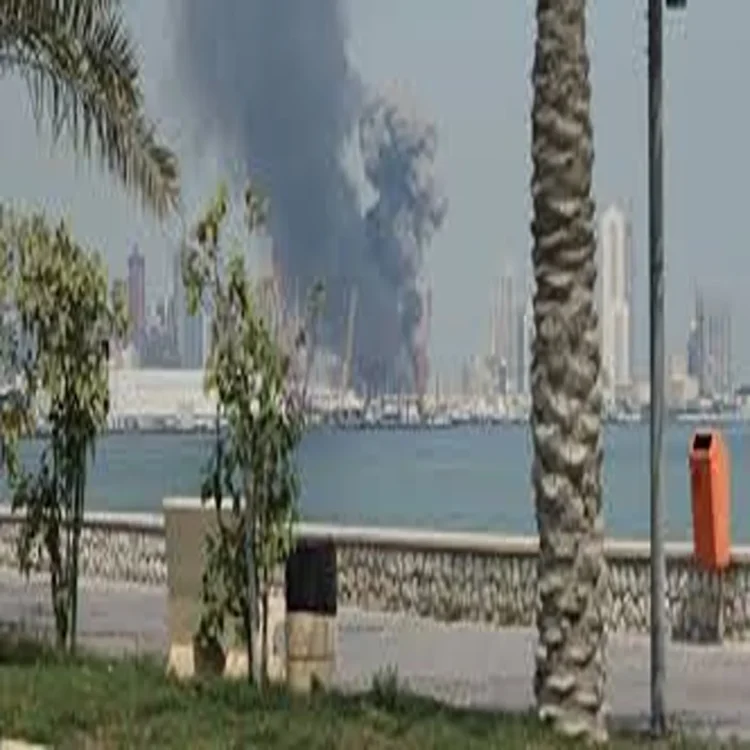
IRGC Announces Strike on US Fifth Fleet Headquarters
According to a statement released through Iranian state-linked media outlets, the IRGC said its naval forces launched a drone attack against the headquarters of the US Fifth Fleet in Bahrain during the early hours of Wednesday. Iranian officials stated that the operation took place at approximately 2:30 a.m. local time.
The military organization described the action as a response to what it said were earlier US strikes on several locations in southern Iran. Tehran alleged that the attacks caused damage to civilian infrastructure in parts of the country.
Iran Accuses US of Attacking Southern Locations
In its statement, the IRGC claimed that American military actions targeted areas including Jask, Sirik, and Qeshm. Iranian authorities reported that a telecommunications tower in Sirik was damaged and two water storage facilities were destroyed during the incidents.
The statement further warned that Iran would continue to respond to what it considers hostile actions against its territory, signaling the possibility of additional measures if tensions continue to rise.
Bahrain Issues Public Safety Alert
Shortly after Iran announced the alleged drone operation, authorities in Bahrain activated air raid sirens across parts of the country. The country’s Interior Ministry urged residents and citizens to remain calm and seek safety precautions as necessary.
Officials issued the alert as concerns grew that the confrontation between Tehran and Washington could expand beyond isolated military exchanges and affect other Gulf nations that host American military assets.
Escalation Follows Helicopter Incident
The latest developments come after a dramatic increase in hostilities linked to the reported downing of a US Army Apache helicopter near the Strait of Hormuz. The incident has become a major flashpoint in the ongoing dispute between the two countries.
On Tuesday, the US Central Command (CENTCOM) announced that American forces had begun what it described as defensive military operations against Iranian targets. US officials characterized the strikes as a measured response to the helicopter incident and stated that the action was authorized at the highest level of government.
Trump Confirms Helicopter Was Shot Down
US President Donald Trump earlier confirmed reports that an Apache helicopter operating in the Strait of Hormuz had been brought down by Iranian fire. He stated that both crew members survived the incident without suffering injuries.
The president emphasized that the United States considered the attack unacceptable and indicated that a response was necessary. His remarks reflected Washington’s position that the military action was intended to protect American forces and interests in the region.
Iran Warns Against Continued US Presence
Iranian Foreign Minister Abbas Araghchi also delivered a strong warning to Washington, arguing that the continued American military presence in the Gulf contributes to instability. He stated that Iran would respond to any attack or threat directed at the country.
Araghchi said Iranian armed forces remained prepared to defend national interests and warned that outside powers should reconsider their role in the region if they wished to avoid further confrontation.
Regional Tensions Continue to Grow
The latest exchange between Iran and the United States comes amid an increasingly volatile regional environment. The broader conflict involving Iran and Israel has already resulted in multiple attacks on military and infrastructure targets, raising fears of a wider crisis across the Middle East.
With military activity increasing on several fronts, international observers remain closely focused on developments in the Gulf, where any further escalation could have significant consequences for regional security and global energy markets.