
Politics – BJP MP Revisits 1947 Partition Debate, Targets Congress Leadership
Politics – Bharatiya Janata Party (BJP) Member of Parliament Nishikant Dubey on Wednesday renewed criticism of the Congress party and the Nehru-Gandhi family while referring to the events that led to India’s Partition in 1947. In a post shared on social media platform X, Dubey described the June 3, 1947 announcement of Partition as an arrangement involving Lord Mountbatten, Jawaharlal Nehru, and Muhammad Ali Jinnah. He argued that several long-term issues, including the Jammu and Kashmir dispute, emerged from decisions taken during that period.
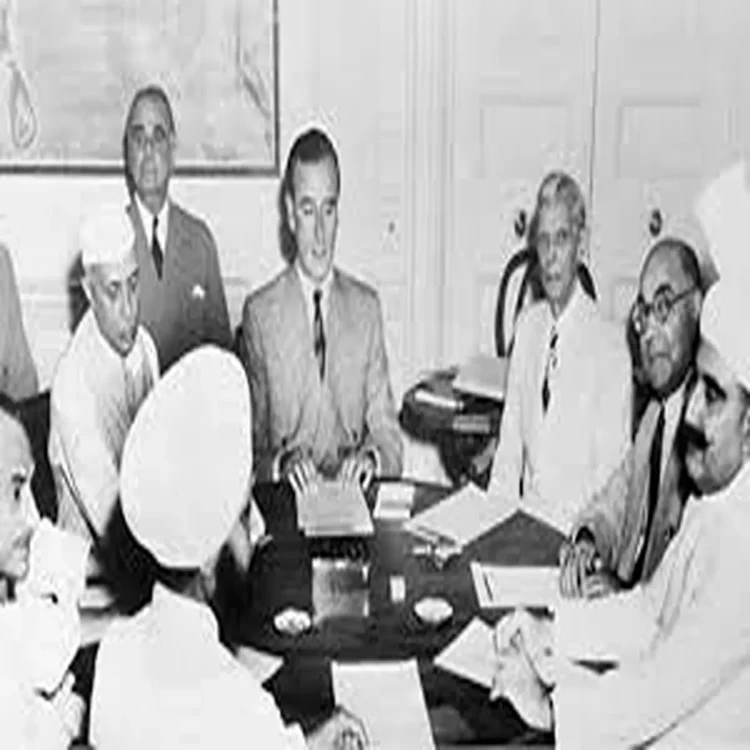
Reference to Pre-Partition Meetings
According to Dubey, key discussions held in Shimla between May 10 and May 12, 1947 played an important role in shaping the eventual division of British India. He claimed that Kashmir was treated differently during these discussions and suggested that decisions made at the time influenced later developments in the region.
The BJP leader further alleged that Mahatma Gandhi was not fully informed about the process that resulted in the Partition plan. He maintained that major political decisions were taken without Gandhi’s approval and questioned the role played by Congress leaders in the lead-up to Independence and Partition.
Criticism of Congress and Nehru-Gandhi Family
In his social media remarks, Dubey strongly criticized the Nehru-Gandhi family, accusing it of bearing responsibility for historical decisions that, according to him, had lasting consequences for the country. He asserted that the June 3 declaration marked a turning point in the subcontinent’s history and linked it to challenges that India continues to face decades later.
He also referred to Lord Mountbatten’s announcement in Delhi regarding the creation of India and Pakistan. Dubey argued that the framework established during that period laid the groundwork for future disputes, particularly concerning Jammu and Kashmir. He maintained that the handling of Kashmir at the time remains a subject of political and historical debate.
Kashmir Issue Highlighted
The BJP MP stated that Kashmir’s position during the Partition process contributed to a complex situation that continued after Independence. According to him, the manner in which the region was addressed in discussions among key leaders became one of the factors behind the prolonged dispute.
Dubey further claimed that Mahatma Gandhi’s views were not adequately considered before the final decisions were implemented. He argued that this aspect of history deserved greater public attention and discussion.
Earlier Remarks on India-Bangladesh Water Agreements
This is not the first time Dubey has targeted Congress over historical policy decisions. On May 30, he criticized agreements related to water sharing between India and Bangladesh that were concluded during Congress-led governments.
Through another post on X, the BJP parliamentarian alleged that decisions taken during the tenures of former Prime Ministers Indira Gandhi and Rajiv Gandhi adversely affected the interests of Indian farmers and several border states. He described the agreements as a controversial chapter in political history and claimed that water from important rivers was allocated to Bangladesh despite domestic concerns.
Continuing Political Debate
Dubey’s comments have added to the ongoing political debate surrounding historical decisions taken before and after Independence. Discussions regarding Partition, Kashmir, and bilateral agreements with neighboring countries frequently become subjects of political disagreement between the BJP and Congress.
While political parties continue to interpret historical events through different perspectives, issues linked to Partition and national policy remain central to public and political discourse in India. Statements from leaders across the political spectrum often reignite discussions on the decisions made during critical moments in the country’s history and their long-term impact on governance and national interests