
WelfareScheme – Maharashtra Reviews Beneficiaries After Ladki Bahin Verification Drive
WelfareScheme – A major review of Maharashtra’s Ladki Bahin welfare programme has resulted in a significant decline in the number of approved beneficiaries after authorities completed a large-scale verification exercise. According to official figures, the beneficiary count has reduced from nearly 2.4 crore women to about 1.7 crore following the completion of mandatory e-KYC procedures and scrutiny of eligibility records. The development has sparked political debate, with opposition parties questioning the reasons behind the reduction, while government officials maintain that the changes are the result of routine compliance checks.
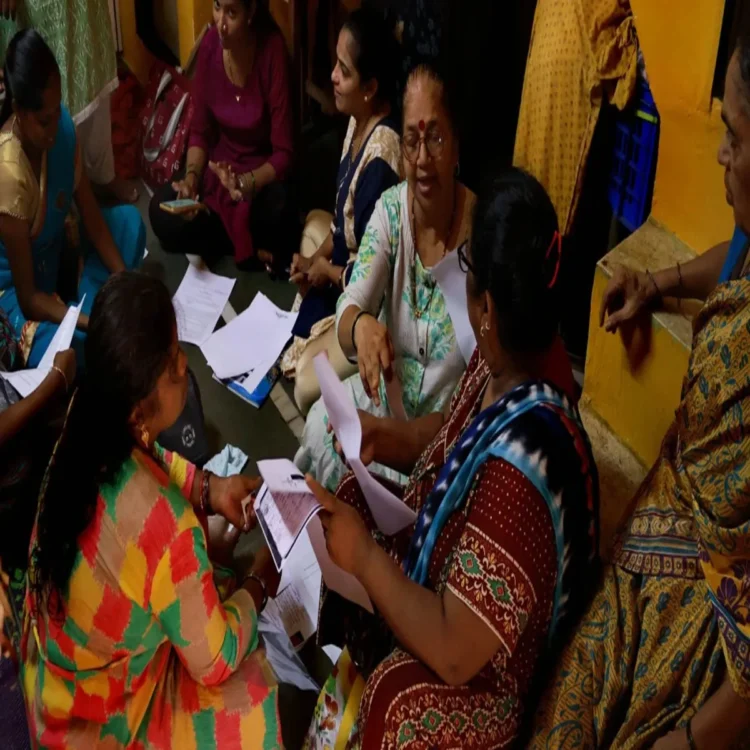
Verification Process Leads to Beneficiary Reduction
Officials associated with the programme stated that applicants were provided approximately eight months to complete the required e-KYC formalities. Despite repeated opportunities, an estimated 50 to 55 lakh women reportedly did not finish the verification process within the prescribed timeline. Authorities said the verification exercise was essential to ensure that benefits reached only those who met the scheme’s eligibility conditions.
In addition to incomplete verification records, several applications were found to contain errors that required correction. Government representatives noted that nearly two to three lakh beneficiaries updated or rectified details in their applications during the review period.
Income and Age Criteria Identified During Scrutiny
The examination of beneficiary data also revealed that a sizeable number of applicants did not meet the programme’s financial eligibility requirements. Officials reported that around 12 lakh women were identified as income-tax payers, placing them beyond the scheme’s annual income threshold of Rs 2.5 lakh.
The review further found that more than 4.5 lakh beneficiaries exceeded the upper age limit of 65 years prescribed under the programme. Authorities said these findings played an important role in reducing the overall number of eligible recipients.
Additional Welfare Benefits Affected Eligibility
Government sources also indicated that approximately five lakh women were already receiving support under the Namo Shetkari scheme. Since the rules of the Ladki Bahin programme restrict overlapping benefits in certain cases, these individuals were considered ineligible under the current guidelines.
Meanwhile, several women who completed their e-KYC requirements have reportedly raised concerns about not receiving their monthly assistance payments. In response, officials said that such complaints are under examination and that pending cases are being reviewed individually.
Final Beneficiary Count Yet to Be Confirmed
Authorities emphasized that the verification process is still undergoing final assessment. They stated that the definitive number of eligible beneficiaries will be determined after all pending grievances, corrections, and verification requests are processed. Officials expect the exercise to be completed within the coming days.
The administration also rejected reports suggesting that all women removed from the beneficiary list were excluded solely because of e-KYC non-compliance. According to government representatives, multiple eligibility factors were taken into account during the review.
Opposition Questions Government’s Financial Position
The issue has become a fresh point of political contention in Maharashtra. Opposition leaders have argued that the large-scale reduction in beneficiaries reflects deeper financial concerns within the state administration.
NCP (SP) leader Jayant Patil criticized the government’s handling of the programme and claimed that removing nearly 80 lakh beneficiaries raises serious questions about the scheme’s sustainability. He argued that the monthly assistance initiative, which provides eligible women with Rs 1,500, was launched ahead of the 2024 Maharashtra Assembly elections and has since faced challenges in implementation.
Patil further alleged that reducing the number of beneficiaries effectively leaves many women without the financial support they had expected. Government officials, however, continue to insist that the revisions are based entirely on eligibility norms and verification requirements rather than budgetary constraints.