
Defense – Shangri-La Summit Opens Amid China’s Absence and Regional Tensions
Defense – Senior defence officials, military leaders and security experts gathered in Singapore on Friday for the opening of the Shangri-La Dialogue, one of Asia’s most influential security forums. This year’s event arrives at a time of heightened geopolitical uncertainty, with discussions expected to focus on Taiwan, maritime security, and ongoing tensions in the Middle East. US Defense Secretary Pete Hegseth is set to deliver one of the summit’s most closely watched addresses, while China’s defence minister will not attend for the second consecutive year.
China Chooses Lower-Level Representation
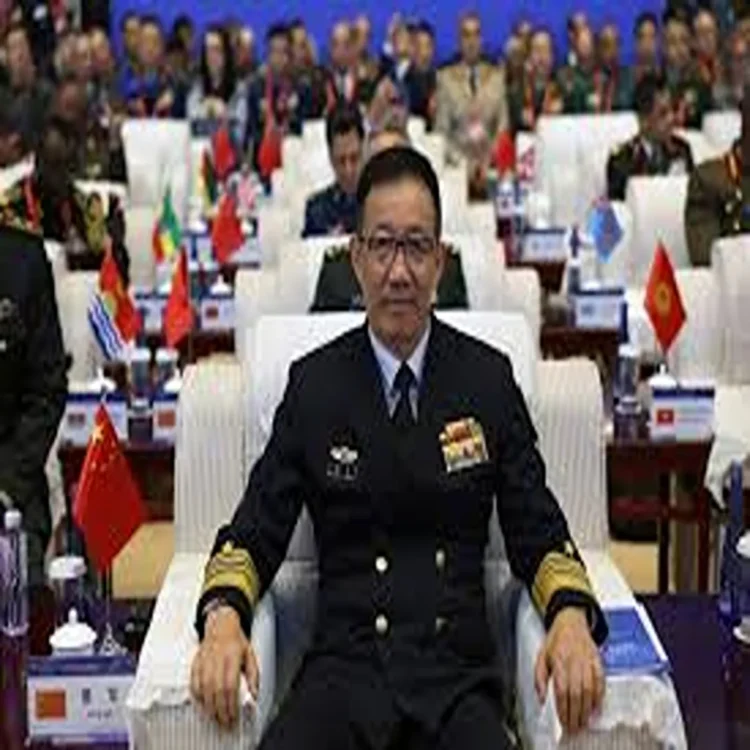
China has decided not to send Defence Minister Dong Jun to the three-day conference, continuing a trend that has drawn attention across the region. Instead, Beijing is being represented by a delegation led by Major General Meng Xiangqing and several military scholars from leading Chinese defence institutions.
The Shangri-La Dialogue has traditionally served as a venue where senior officials hold both public discussions and private meetings on sensitive security matters. The absence of China’s defence minister means there will be no direct meeting between Dong and Hegseth, despite growing concerns surrounding Taiwan and broader regional stability.
Questions Over Beijing’s Strategy
Analysts have offered different explanations for China’s decision. Some believe Beijing now sees less need to engage in high-profile debates at international forums as its influence in the Asia-Pacific region continues to expand.
Security observers also note that Chinese defence ministers have faced intense scrutiny during previous appearances. Former ministers Wei Fenghe and Li Shangfu both spoke at earlier editions of the forum before later becoming embroiled in corruption investigations. As a result, some experts suggest Chinese officials may be increasingly cautious about taking prominent public roles at international gatherings.
US-China Relations Remain in Focus
The conference takes place shortly after US President Donald Trump’s visit to China in May. While both sides described trade discussions positively, major differences remain unresolved. Trump also suggested that future US arms sales to Taiwan could become part of broader negotiations with Beijing, a comment that attracted significant attention among regional policymakers.
According to analysts, Hegseth’s speech is expected to contain firm remarks regarding China’s military posture and regional activities. However, some observers believe the message will be aimed as much at domestic audiences in the United States as at international partners attending the summit.
Middle East Developments Add Complexity
Beyond Asia-Pacific concerns, delegates are also expected to monitor developments in the Middle East. The region remains strategically important for China, which relies heavily on energy imports transported through key maritime routes.
Recent tensions involving Iran have increased concerns about the security of international shipping lanes, including the Strait of Hormuz. While experts do not expect detailed negotiations on Middle East conflicts during the forum, the issue remains an important backdrop to discussions about global stability and economic security.
AUKUS Members Hold Separate Talks
Another major focus of the summit will be consultations among the members of the AUKUS partnership — Australia, the United Kingdom and the United States. The security agreement was established to strengthen defence cooperation and support stability across the Indo-Pacific region.
Australian Defence Minister Richard Marles said his country remains committed to maintaining a rules-based international order. He acknowledged China’s significant military expansion while emphasizing that Australia seeks a constructive and cooperative relationship with Beijing.
Media reports in Australia have suggested that AUKUS members may unveil a new defence initiative during the gathering, potentially involving advanced autonomous underwater technologies. However, no official announcement had been made at the time the summit opened.
Regional Security Remains Central Theme
With conflicts, military modernization programs and strategic competition shaping international relations, this year’s Shangri-La Dialogue is expected to provide an important platform for governments to exchange views and reduce misunderstandings. Even without China’s defence minister in attendance, discussions surrounding Beijing’s role in regional security are likely to remain at the center of conversations throughout the event.