
Tourism – Himalayan Pilgrimage Route Faces Rising Plastic Waste Crisis
Tourism – The peaceful Himalayan landscape surrounding Tungnath Temple and the scenic meadows of Chopta are witnessing growing environmental pressure as increasing tourist activity leaves behind large amounts of plastic waste across the region.
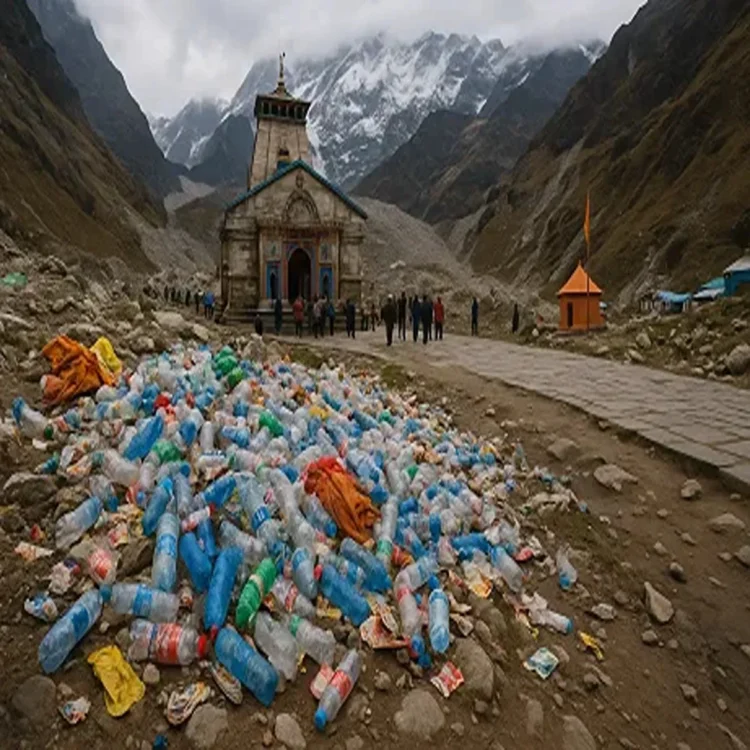
Located in the Garhwal Himalayas of Uttarakhand, Tungnath Temple is revered as the third Kedar and attracts thousands of pilgrims, trekkers and nature lovers every year. During the winter months, many visitors travel to the region to witness snowfall, while others undertake the steep mountain trek to seek blessings at the ancient shrine. However, the natural charm of the area is now being affected by litter scattered along trekking routes and nearby valleys.
Plastic Waste Increasing Along Trekking Routes
The popular trekking path connecting Tungnath and Chopta has seen a visible rise in discarded waste materials, including plastic bottles, snack wrappers and packaged food containers. Residents and environmental groups in the region say that tourism has expanded rapidly over the past few years, but awareness regarding waste disposal and environmental protection has not kept pace.
Many locals believe the situation has become more serious during peak pilgrimage and holiday seasons, when heavy footfall puts additional strain on the fragile mountain ecosystem. The waste, often left behind in open areas, not only damages the scenic beauty of the region but also threatens wildlife and water sources in the high-altitude environment.
Experts Warn of Ecological Damage
Environmental experts have cautioned that continued negligence could create long-term problems for the Himalayan ecosystem. They say mountain regions are highly sensitive to pollution and require careful management to preserve biodiversity and natural resources.
Padma Shri awardee and noted environmentalist Anil Prakash Joshi expressed concern over the deteriorating conditions in the Tungnath-Chopta belt. According to him, simply announcing restrictions on plastic usage will not be enough unless proper alternatives and systems are introduced beforehand.
Joshi referred to the example of Sikkim, which successfully reduced plastic usage after preparing sustainable alternatives and implementing a structured plan. He explained that modern food packaging systems remain heavily dependent on plastic materials, especially products designed for travel and quick consumption.
Need for Local Alternatives and Sustainable Products
The environmentalist emphasized that reducing plastic dependency requires support for local industries and region-based production. He noted that hill regions already produce agricultural products with strong market demand, including mountain-grown potatoes that are popular across the country.
According to Joshi, local communities could benefit from manufacturing food products such as chips and packaged snacks within the region itself. Such efforts would not only create employment opportunities but could also reduce the inflow of plastic-packaged goods transported from outside areas.
He further stressed that environmental conservation cannot succeed through regulations alone. Visitors, he said, must also understand their responsibility towards protecting nature while travelling through ecologically sensitive destinations.
Tourists Asked to Adopt Responsible Travel Habits
Environmental groups and local residents are now urging authorities to strengthen waste management facilities along trekking routes and encourage responsible tourism practices. Suggestions include installing additional waste collection points, promoting reusable items and conducting awareness campaigns among pilgrims and trekkers.
Experts believe preserving the spiritual and natural identity of the Tungnath-Chopta region will require cooperation between local communities, tourists and administrative agencies. They argue that maintaining cleanliness in the Himalayan belt is not only essential for environmental protection but also necessary for sustaining tourism and pilgrimage activities in the future.
As tourist numbers continue to rise in Uttarakhand’s mountain destinations, environmentalists say immediate attention is needed to prevent irreversible damage to the region’s forests, valleys and water systems. They maintain that future generations should also be able to experience the untouched beauty, spiritual atmosphere and ecological richness that have long defined the Tungnath landscape.