
IndoPacific – Quad Nations Push for Stronger Maritime and Economic Cooperation
IndoPacific – External Affairs Minister S. Jaishankar on Tuesday underlined the importance of building reliable and transparent partnerships among Quad nations to strengthen peace, stability, and economic progress across the Indo-Pacific region. Speaking at the Quad foreign ministers’ meeting in New Delhi, he said the grouping must work together to ensure the region continues to support global growth and international stability.
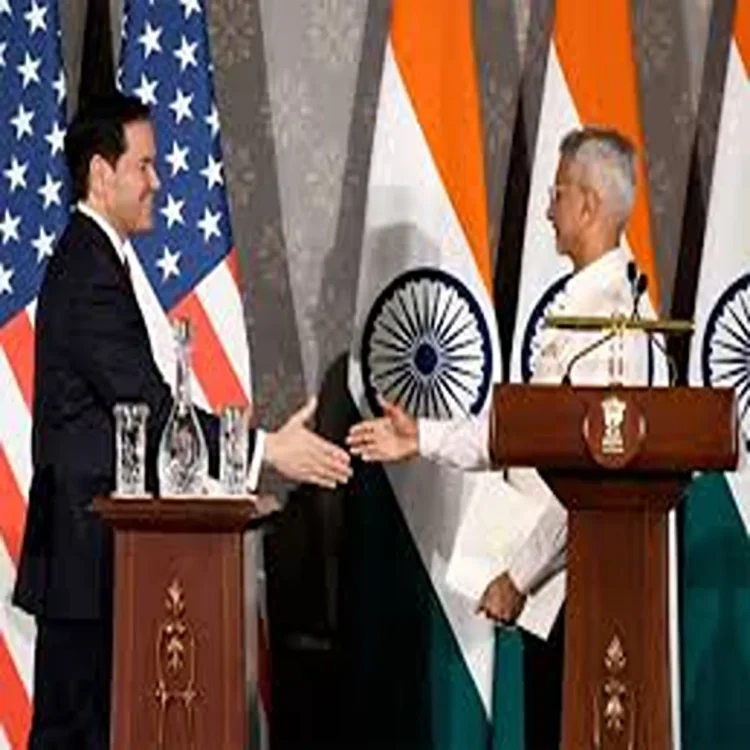
The high-level meeting brought together US Secretary of State Marco Rubio, Australian Foreign Minister Penny Wong, Japanese Foreign Minister Toshimitsu Motegi, and India’s External Affairs Minister S. Jaishankar, who chaired the discussions.
Focus on Indo-Pacific Stability
During his opening remarks, Jaishankar stated that the Indo-Pacific remained the primary focus of the Quad partnership. He said the member countries must strengthen cooperation to address growing strategic and economic challenges affecting the region.
According to him, the current global environment has highlighted concerns related to supply chain resilience, manufacturing concentration, connectivity bottlenecks, and shortages in critical infrastructure. He noted that these issues have increased the need for stronger international partnerships and coordinated action among trusted nations.
Jaishankar also pointed to broader concerns surrounding regional security, though he did not directly name any country. His comments came at a time when geopolitical tensions in the Indo-Pacific have intensified due to increasing military activity and strategic competition in the region.
Maritime Security Remains a Key Priority
The Indian minister stressed that maritime security would remain central to the Quad’s agenda. He said cooperation among the four nations was necessary to maintain freedom of navigation, secure sea routes, and encourage balanced economic opportunities for countries across the Indo-Pacific.
He added that the Quad nations, as maritime democracies and market-driven economies, carry a shared responsibility to preserve a free, open, and inclusive regional order. According to Jaishankar, strengthening strategic trust and encouraging transparent partnerships would help improve regional confidence and long-term cooperation.
The Quad grouping, which includes India, the United States, Australia, and Japan, has increasingly focused on issues related to security, trade, infrastructure, technology, and disaster response in recent years.
Australia Supports Stronger Quad Cooperation
Australian Foreign Minister Penny Wong said Canberra remains committed to deepening cooperation within the Quad framework. She stated that member countries are determined to maintain the momentum of the partnership and improve its effectiveness in addressing regional concerns.
Wong also emphasized the importance of preserving peace and prosperity in the Indo-Pacific. She said the Quad continues to play an important role in supporting regional stability and strengthening cooperation among democratic nations.
Her remarks reflected the broader consensus among Quad members that closer coordination is necessary amid changing geopolitical conditions and growing strategic competition across the region.
United States Highlights Expanding Quad Role
US Secretary of State Marco Rubio said recent global developments have made the Quad’s work increasingly relevant. He noted that the alliance is now positioned to address several major international challenges beyond traditional security matters.
Rubio highlighted areas such as energy security, freedom of navigation, and access to critical minerals as important fields where Quad cooperation could deliver meaningful outcomes. He also indicated that stronger coordination among member countries could help reduce vulnerabilities in global supply chains and improve economic resilience.
The meeting in New Delhi is being viewed as another step in strengthening the strategic partnership among the four countries as they seek to enhance cooperation in an increasingly complex Indo-Pacific environment.